KERMANSHAH, Iran — Four members of Iran’s Islamic Revolutionary Guard Corps (IRGC) Aerospace Force were killed following a U.S. airstrike in the western province of Kermanshah early Wednesday, September 2, 2026, amid a dramatic surge in military exchanges between Washington and Tehran.
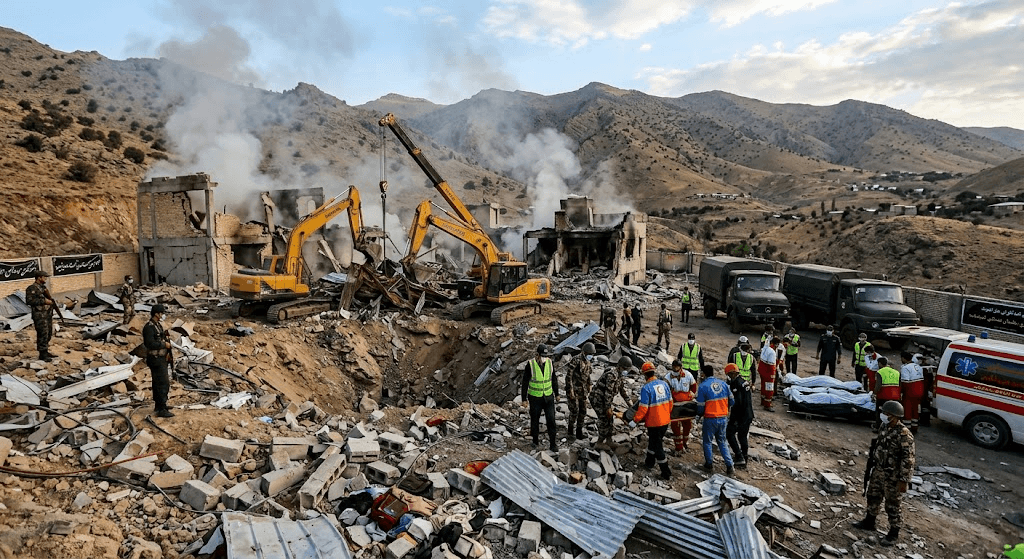
The localized strike targeted high-value military infrastructure in the mountainous border region, causing severe structural damage to several defense installations. A statement released by the IRGC's provincial branch confirmed the deaths, identifying the deceased as specialized personnel belonging to its aerospace division. The attack marks a significant geographic expansion of recent cross-border air raids, penetrating deep into western Iranian territory.
Iranian state media reported that rescue teams and military emergency units immediately secured the perimeter, extinguishing fires triggered by missile impacts and clearing heavy structural debris. Official regional sources condemned the strikes as a severe provocation, warning that retaliatory measures against regional military positions are being evaluated as security forces across Kermanshah remain on high alert.
Kermanshah province serves as a crucial hub for Iran’s western military operations, housing strategic missile bases, radar installations, and aerospace facilities positioned to project power across the broader region. The U.S. strike on these high-security installations indicates a deliberate targeting of the IRGC’s specialized command structure and air defense assets, aiming to neutralize long-range capabilities before they can be mobilized. In response to the breach, Iranian armed forces have deployed mobile air defense batteries and activated regional radar networks across the western theater to guard against potential follow-up strikes along the border.
The strike in Kermanshah comes amidst a dangerous sequence of tit-for-tat actions that have effectively derailed international attempts to de-escalate regional hostilities. With casualties mounting across multiple military branches, political leaders in Tehran face intensifying internal pressure to respond forcefully to U.S. operations inside sovereign Iranian territory. As defense analysts warn that direct hits on IRGC Aerospace Force infrastructure significantly increase the risk of an uncontained regional conflict, diplomatic envoys from neighboring states have launched urgent behind-the-scenes negotiations to prevent further military escalation.
Published by Banx Network. This article is part of the Banx decentralized media programme, powered by the BXE token on the XRP Ledger.