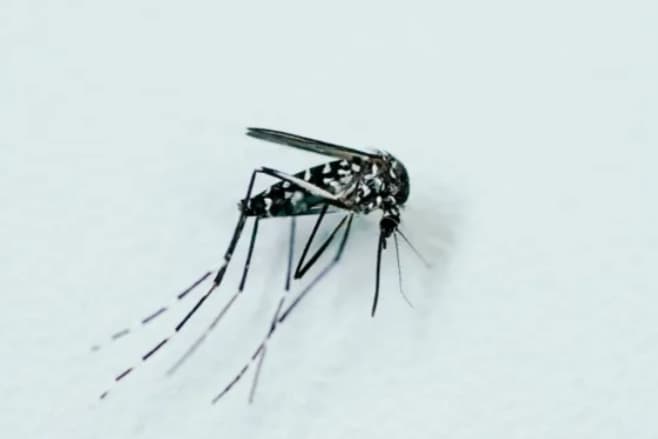
In a significant public health development, Switzerland has identified its first case of West Nile fever, a viral illness transmitted to humans through mosquito bites. The case was reported in a resident of the canton of Vaud, who is currently being treated and is under medical supervision.
West Nile fever, caused by the West Nile virus, typically presents with mild flu-like symptoms in most individuals. However, some cases can progress to severe neurological diseases, including encephalitis or meningitis, particularly in older adults and those with weakened immune systems.
Health authorities in Switzerland are taking immediate steps to address this new health threat. Increased mosquito surveillance efforts are being implemented to monitor populations and identify areas where the virus may be circulating. Public awareness campaigns are also being launched to educate residents on preventive measures, such as using insect repellent, wearing protective clothing, and eliminating standing water where mosquitoes breed.
The presence of West Nile virus in Europe is not entirely new, as multiple cases have previously been reported in neighboring countries. However, this first case in Switzerland highlights the importance of preparedness in managing mosquito-borne illnesses. Health officials are urging the public to remain vigilant, as the risk of further transmission exists, particularly during the warmer months when mosquito activity peaks.
In response to this case, experts recommend that individuals with symptoms such as fever, headache, body aches, or a rash seek medical attention promptly. Early detection and management can significantly improve outcomes for those affected.
The Swiss Federal Office of Public Health is collaborating with local authorities to monitor the situation closely and ensure that appropriate responses are in place should more cases arise. As the summer progresses, continued vigilance will be crucial in safeguarding public health against this emerging threat.
Published by Banx Network. This article is part of the Banx decentralized media programme, powered by the BXE token on the XRP Ledger.


.jpg&w=3840&q=75 "September 2026 Was the Second-Warmest on Record, With Global Temperatures Above 1.5°C for a Second Month")