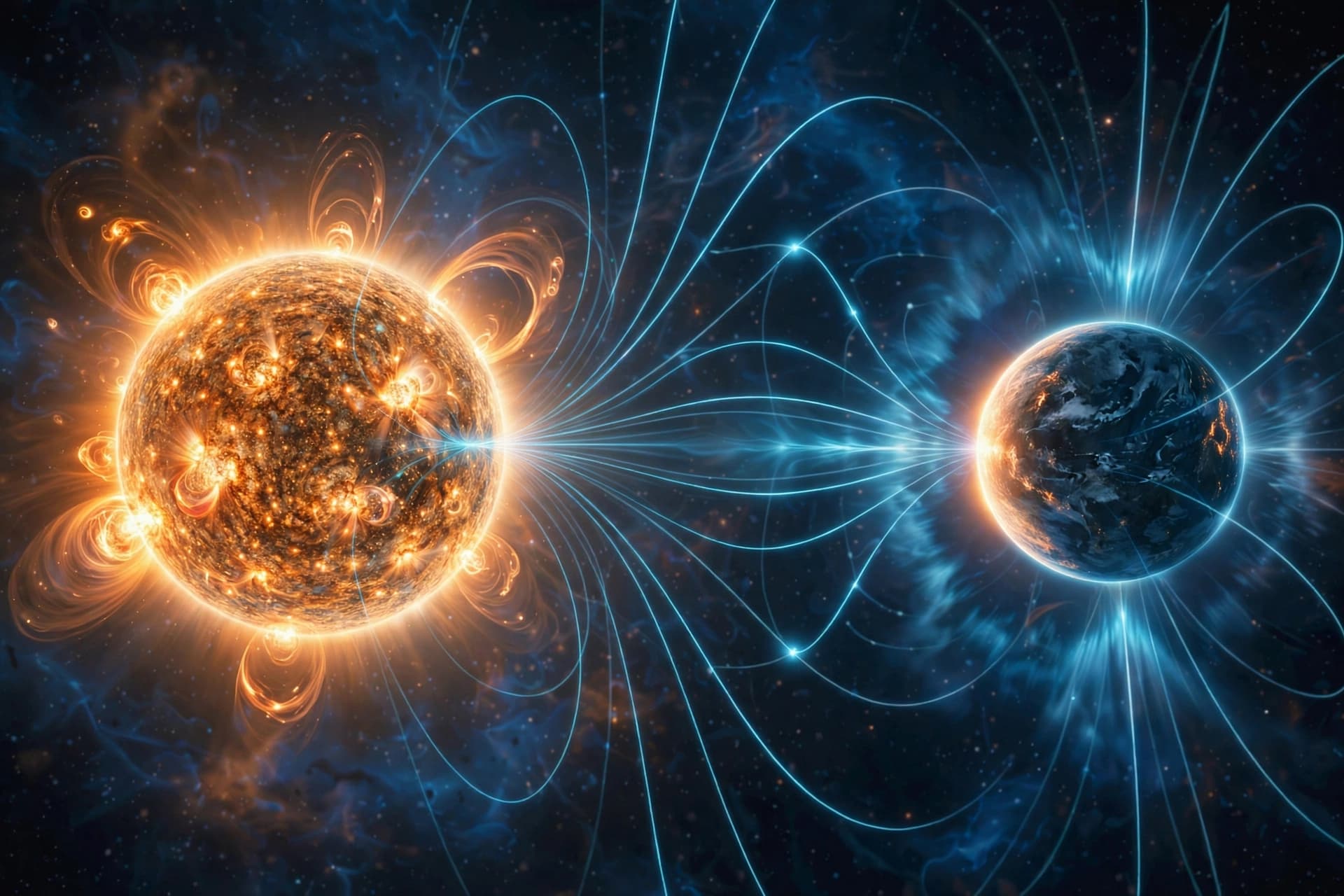
There are forces in nature that resist tame patterns—like wild winds in a canyon echoing unpredictably. In the quantum realm, one such force is like magnetism’s unruly cousin: subtle spin interactions that refuse ordinary control. Yet recent research shows that by twisting light in precise, swirling patterns, lasers can coax these spins into behaving—drawing structure out of chaos, order out of discord.
The “ungovernable cousin” in question refers to non-reciprocal magnetism, a kind of magnetic behavior where direction matters: a spin pointing one way does not mirror the behavior of a spin pointing the opposite way. It’s as if one spin chases another, or one resists where another submits. This breaks the usual symmetry of magnetism, which is fossilized in materials like iron or typical ferromagnets.
Physicists have now demonstrated that twisting lasers—light beams with orbital angular momentum or swirling polarization profiles—can induce and control this non-reciprocal spin behavior. When lasers interact with certain magnetic or quantum materials, they open “decay channels” for virtual electronic states. Some virtual states lose energy more quickly depending on spin orientation; this imbalance subtly biases the spin dynamics. Over time, spins align in a chiral, time-dependent dance, rather than the static alignment or cancellation seen in ordinary magnets.
One study led by theorists Hanai, Ootsuki, and Tazai shows that a laser-driven material can enter a non-reciprocal magnetic phase sustained not by static energy minimization, but by engineered dissipation (loss processes) and by breaking time-reversal symmetry through laser-induced decay. Spins, in effect, misbehave—interacting in ways that would be impossible in equilibrium, yet become stable under driven conditions.
The potential here is profound. Materials under such control could yield new phases of matter useful for data storage, quantum devices, or sensors that exploit direction-sensitive behavior. In particular, controlling spin non-reciprocity may allow devices that route spin or magnetic signals in one preferred direction, immune to backflow.
However, challenges remain. The materials must respond strongly yet be stable under laser illumination. Loss channels must be well understood and engineered: too much loss destroys the desired order, too little and the non-reciprocal behavior vanishes. Also, real devices will likely require room-temperature behavior, integration with existing electronics, and control over disorder that in practice smears out subtle quantum effects.
Researchers have shown that lasers with swirling or twisted properties can be used to induce and control non-reciprocal magnetic behavior in quantum materials, by biasing decay pathways of virtual electronic states. The technique breaks magnetism’s usual symmetry and results in chiral, time-dependent spin dynamics. Applications include direction-biased spin devices and quantum information systems, though significant experimental engineering challenges remain.
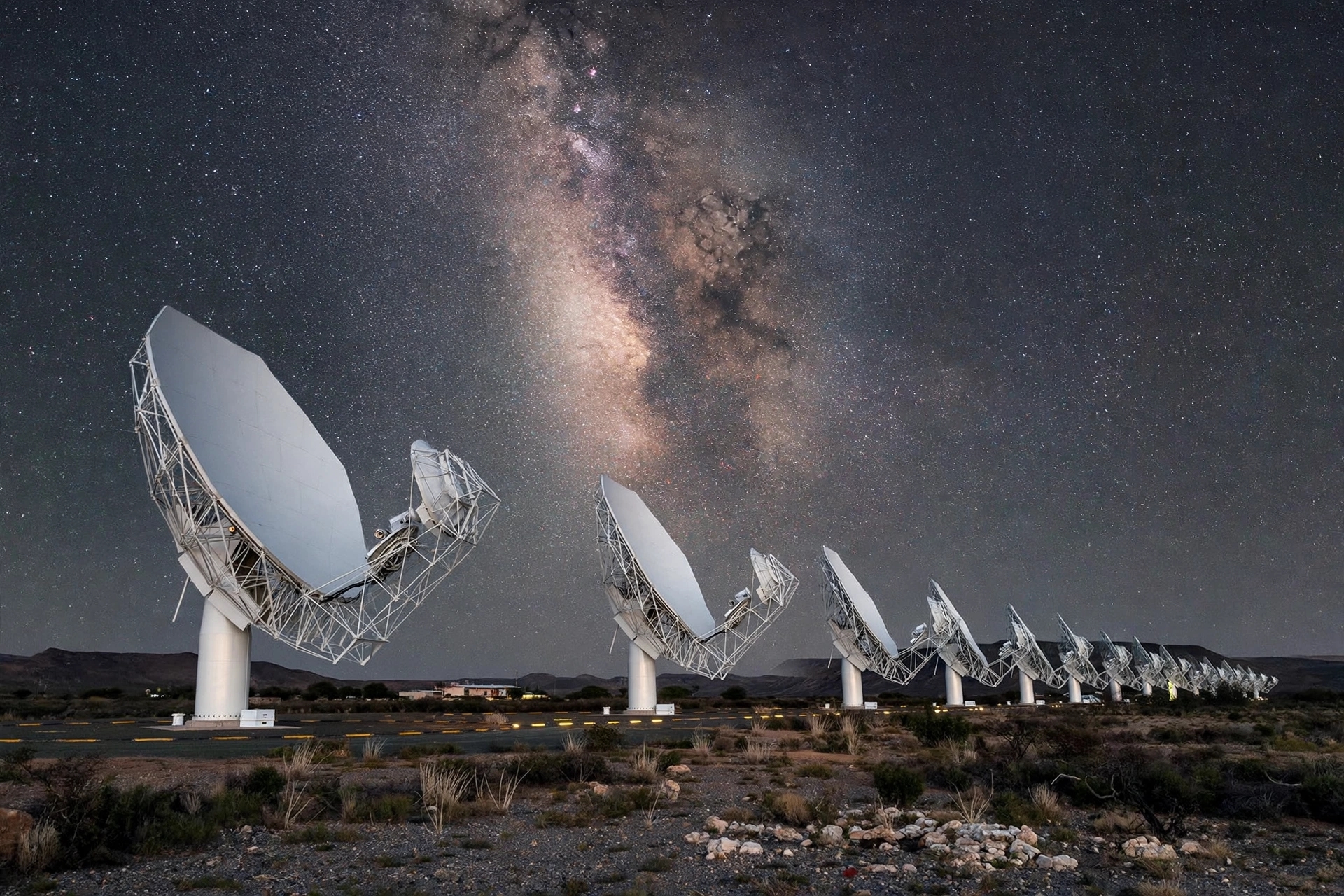
AI Image Disclaimer “Visuals are created with AI tools and are not real photographs.”
Sources New Scientist Nature Communications University of Washington
Published by Banx Network. This article is part of the Banx decentralized media programme, powered by the BXE token on the XRP Ledger.