In the stifling confines of a detention facility in Niger State, Nigeria, a tragedy unfolded that defies comprehension. Usman Muhammad, a survivor of a horrific incident, recounts watching thirty-three of his cellmates perish from extreme heat and dehydration. His words, "I have never felt heat like that," capture the sheer intensity of the suffering endured by those trapped inside. This event has sparked outrage and grief, highlighting the dire conditions within some of Nigeria’s correctional centers. It is a story of human endurance in the face of unimaginable hardship.
The incident occurred in a cramped, poorly ventilated room where dozens of men were held. According to survivors, temperatures rose to unbearable levels, turning the cell into an oven. Water was scarce, and desperation led some to drink urine and sweat in a futile attempt to stay alive. The lack of basic amenities and the failure of authorities to respond to distress calls contributed to the high death toll. Negligence, when it costs lives, becomes a crime.
For Usman and other survivors, the trauma is profound. They carry the memories of their friends’ final moments, the pleas for help that went unanswered. The psychological impact of such an experience is lasting, affecting their ability to trust and heal. Support services are needed to help them navigate this pain, but resources are often limited. Healing requires more than time; it requires care.
The Nigerian government has launched an investigation into the deaths, promising accountability and reform. However, skepticism remains among human rights organizations, who have long warned about the conditions in detention facilities. Overcrowding, poor sanitation, and inadequate medical care are systemic issues that require urgent attention. Words must be followed by action.
This tragedy is not an isolated incident but part of a broader pattern of neglect in the prison system. Reports of abuse and inhumane treatment have surfaced repeatedly, yet change has been slow. Advocates call for independent monitoring and stricter enforcement of standards. Justice for the victims means preventing future occurrences.
Public reaction has been one of anger and sorrow. Protests have erupted in some areas, demanding justice for the deceased and better treatment for detainees. The voices of the bereaved families are powerful, urging society to confront the realities of incarceration. Awareness is the first step toward change.
International observers have expressed concern, calling for a thorough review of Nigeria’s correctional practices. The global community has a role to play in supporting reforms and promoting human rights. Solidarity with the victims reinforces the universal value of dignity. Humanity is shared.
In the end, the deaths in Niger State are a stark reminder of the cost of indifference. They challenge us to look beyond statistics and see the human beings behind them. As the investigation continues, the hope is for meaningful reform and justice. No one should die in such a manner. Dignity is a right.
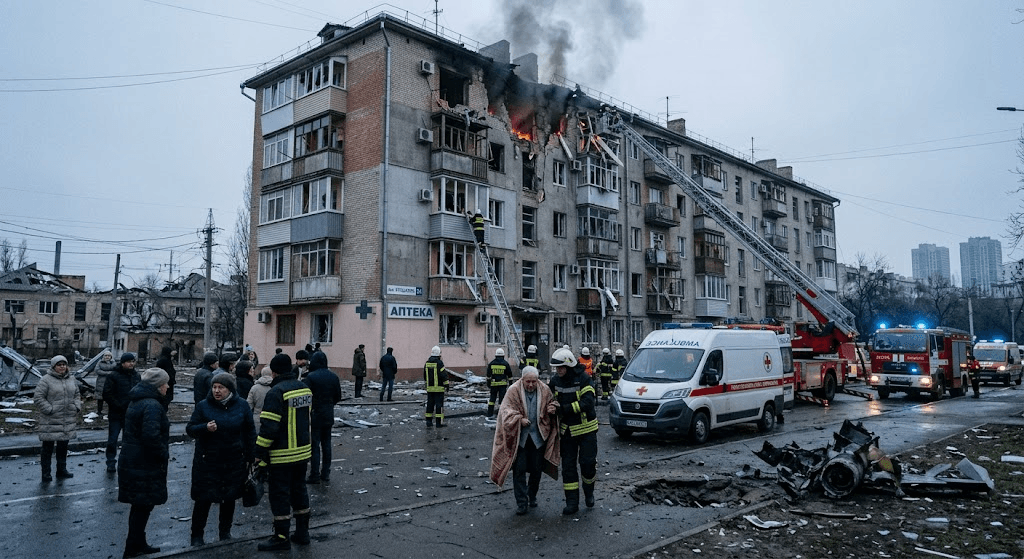
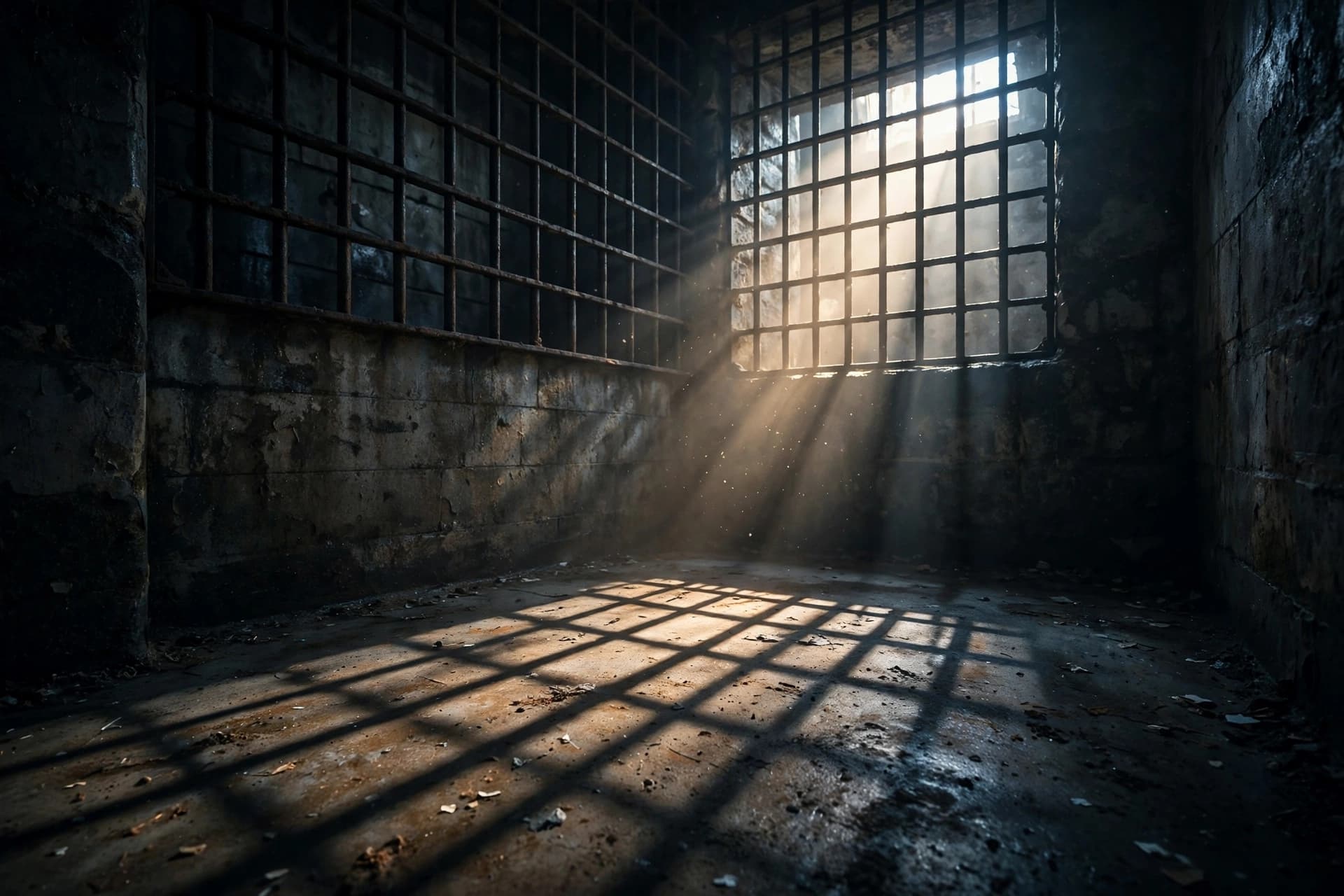
AI Image Disclaimer: The images accompanying this article are AI-generated artistic interpretations of confinement and mourning themes, not actual photographs of the detention facility or the survivors.
Sources: BBC News The Guardian Al Jazeera
Published by Banx Network. This article is part of the Banx decentralized media programme, powered by the BXE token on the XRP Ledger.