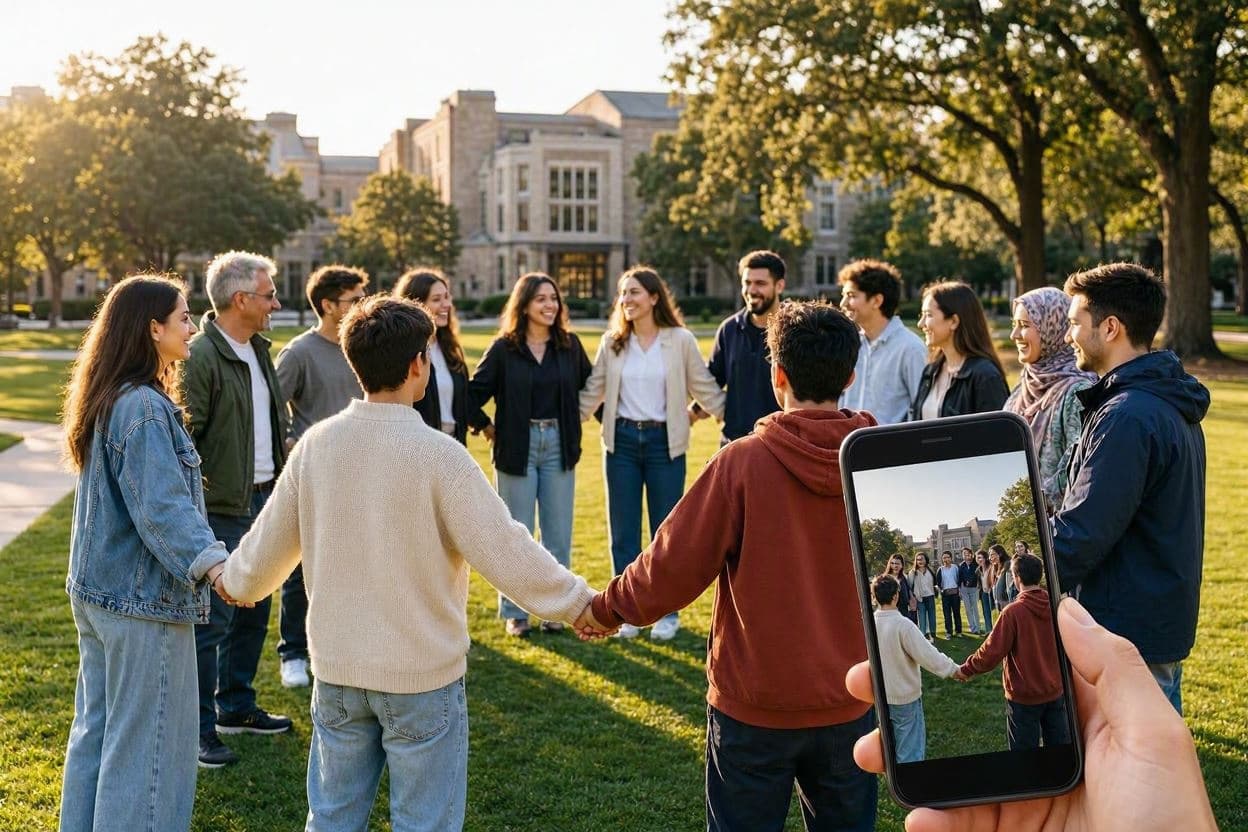
Universities are often seen as microcosms of society, places where diverse ideas and backgrounds converge to foster learning and growth. In Texas, a recent incident has tested the strength of these communal bonds. A student government candidate’s racist social media post has sparked outrage and pain across a diverse campus community. The reaction has been swift and unified, with students and faculty coming together to condemn the hate speech and reaffirm their commitment to inclusivity. This moment of crisis has become a catalyst for dialogue, revealing both the fragility and resilience of campus unity.
The controversy began when screenshots of the candidate’s posts circulated online, containing derogatory remarks targeting specific racial and ethnic groups. The language used was not only offensive but deeply hurtful to many students who call the university home. The candidate, who was running for a leadership position in student government, faced immediate backlash from peers who felt betrayed by the disconnect between their public persona and private views.
University administrators responded quickly, issuing statements that condemned the rhetoric and emphasized the institution’s zero-tolerance policy for hate speech. The candidate withdrew from the race shortly after the posts came to light, acknowledging the harm caused. However, the damage had already been done, leaving a community grappling with feelings of vulnerability and anger. The incident served as a stark reminder that prejudice still lurks beneath the surface of even the most progressive environments.
In response, student organizations from various cultural backgrounds joined forces to organize rallies and town hall meetings. These gatherings provided a space for students to share their experiences and express their frustration. The solidarity displayed was powerful, with individuals from different majors, years, and backgrounds standing together against discrimination. It highlighted the strength of the diverse community in facing adversity collectively.
Faculty members also played a crucial role in supporting students, offering counseling resources and facilitating discussions in classrooms. Professors used the incident as a teachable moment, exploring topics of racism, free speech, and ethical leadership. This academic engagement helped contextualize the event within broader societal issues, encouraging critical thinking and empathy among students.
The incident has also prompted a review of the vetting process for student government candidates. Questions have been raised about how institutions can better ensure that leaders reflect the values of inclusivity and respect. While freedom of expression is a core principle, the balance between free speech and the responsibility to maintain a safe and welcoming environment remains a complex challenge for universities.
For many students, the aftermath has been a journey of healing and empowerment. The collective response has strengthened their resolve to fight against racism and build a more inclusive campus culture. It has shown that while hate may arise, it can be met with overwhelming love and unity. The community’s ability to come together in anger has ultimately forged stronger bonds of support and understanding.
The backlash against the racist post by a Texas student government candidate has united a diverse campus in condemnation and solidarity. While the incident caused pain, it also reinforced the community’s commitment to inclusivity and respect. As the university moves forward, the focus remains on fostering an environment where every student feels valued and safe.
AI Image Disclaimer: Visuals associated with this article are AI-generated representations intended to visualize the historical context and should not be considered photographic evidence.
Sources: The Texas Tribune Inside Higher Ed CNN Houston Chronicle
Published by Banx Network. This article is part of the Banx decentralized media programme, powered by the BXE token on the XRP Ledger.