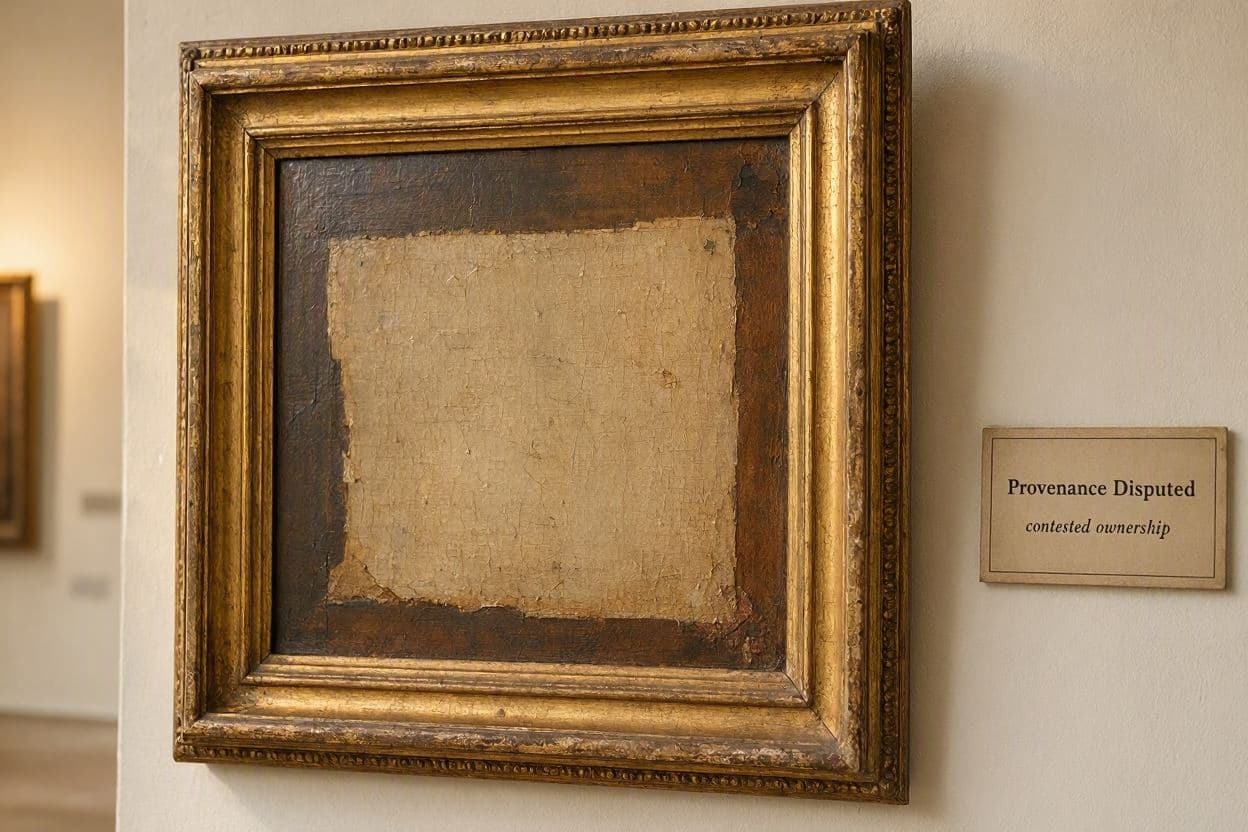
Art is often described as a mirror to the soul of humanity, reflecting our highest aspirations and deepest sorrows. Yet, for many works hanging in the quiet halls of museums, that reflection is clouded by a dark history of theft and loss. In California, a new legal battle has emerged, not over the aesthetic value of paintings, but over their moral ownership. Heirs of Holocaust survivors are suing prominent institutions, seeking the return of artworks looted by the Nazis during one of history’s most tragic chapters. This lawsuit is more than a property dispute; it is a poignant quest for restorative justice and the reclamation of a stolen heritage.
The plaintiffs argue that several masterpieces currently held by California museums were forcibly taken from Jewish families during the Second World War. These works, which include paintings and drawings by renowned artists, were seized under duress or sold for a fraction of their value as families fled persecution. For decades, these items have been displayed as treasures of public culture, their provenance obscured by the chaos of war and the passage of time. The heirs contend that keeping them without restitution perpetuates the original injustice.
The legal framework for such claims has evolved significantly in recent years. International agreements, such as the Washington Principles on Nazi-Confiscated Art, have encouraged museums to identify looted items and seek fair solutions with original owners or their descendants. However, the application of these principles in court remains complex. Museums often cite statutes of limitations or the difficulty of verifying historical records after so many years. The current lawsuit challenges these barriers, arguing that moral obligation should outweigh procedural technicalities.
California has been at the forefront of this legislative shift. State laws have been enacted to extend the timeframe for filing claims related to Holocaust-era assets, recognizing the unique difficulties survivors and their families face in documenting losses. This legal environment provides a pathway for heirs to seek redress, even decades after the events occurred. The current case tests the strength and scope of these protections, setting a potential precedent for future disputes.
For the museums involved, the lawsuit presents a delicate balancing act. They are custodians of public trust, tasked with preserving cultural heritage for all. Yet, they also face increasing scrutiny regarding the origins of their collections. Many institutions have begun proactive provenance research, aiming to identify and return looted art voluntarily. The litigation suggests that, in some cases, voluntary measures may not be enough, necessitating judicial intervention to ensure accountability.
The emotional weight of these claims cannot be overstated. For the heirs, the artworks are not just objects of monetary value but tangible links to relatives who perished in the Holocaust. Recovering them is a way to honor their memory and restore a fragment of what was destroyed. It is an act of defiance against the erasure attempted by the Nazi regime, asserting that culture and identity cannot be fully extinguished by violence.
As the case proceeds, it draws attention to the broader issue of colonial and wartime looting in museums worldwide. The debate extends beyond the Holocaust, touching on artifacts taken from other cultures during periods of conflict and expansion. The outcome in California could influence how institutions globally approach questions of ownership, ethics, and repatriation, fostering a more transparent and equitable cultural landscape.
The lawsuit filed by Holocaust survivors’ heirs against California museums marks a significant moment in the ongoing effort to address historical injustices. It highlights the enduring impact of Nazi looting and the importance of ethical stewardship in the art world. As legal proceedings unfold, the focus remains on achieving a resolution that honors the victims and restores dignity to their legacy.
AI Image Disclaimer: Please note that any accompanying visuals are AI-generated interpretations designed to illustrate the scientific concepts discussed.
Sources: The New York Times Los Angeles Times Haaretz The Guardian
Published by Banx Network. This article is part of the Banx decentralized media programme, powered by the BXE token on the XRP Ledger.