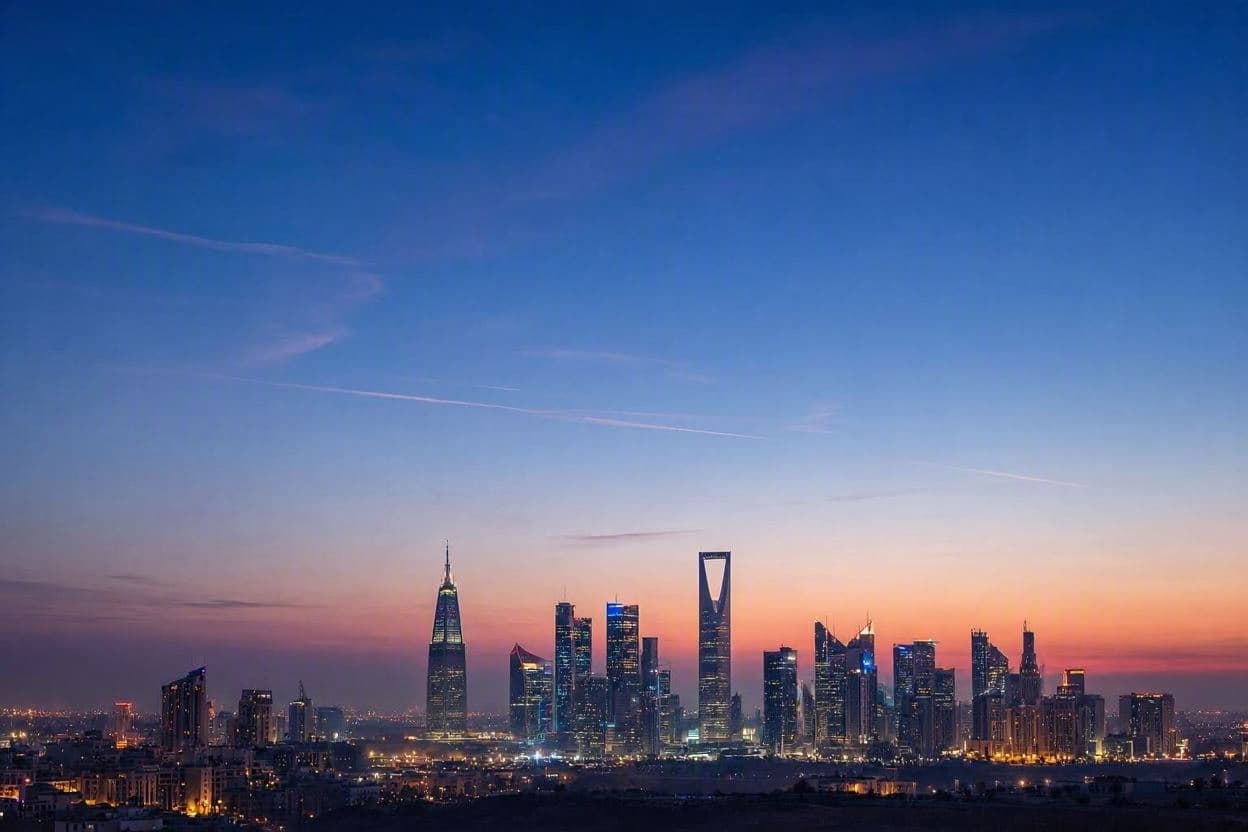
The sky over Riyadh, usually a canvas of clear blue or starry night, was recently pierced by the urgent tone of civil defense alerts. For the first time since the latest escalation in regional tensions, the Saudi capital was placed on high alert, a reminder that the fragility of peace can shift with the wind. The sound of sirens and the sight of defensive measures serve as a sobering narrative of a region caught in the crosshairs of geopolitical strife. It is a moment that invites reflection on the human desire for stability amidst the echoes of conflict.
The alert was triggered by aerial threats linked to the ongoing tensions with Yemen’s Houthi rebels. While the immediate danger has passed, according to official statements from the Saudi Civil Defence, the incident underscores the persistent volatility in the Middle East. The kingdom’s air defense systems were activated, demonstrating their readiness but also highlighting the constant vigilance required to maintain security. For residents, these moments are brief interruptions, yet they carry the weight of broader regional dynamics that extend far beyond city limits.
This development is part of a larger tapestry of Mideast events that have kept international observers on edge. The escalation involves not just military posturing but also diplomatic maneuvers and economic implications. As one of the world’s leading oil producers, any instability in Saudi Arabia sends ripples through global markets, affecting energy prices and supply chains. The interconnectivity of modern life means that a siren in Riyadh can be felt in gas stations thousands of miles away.
The response from Saudi authorities was swift and coordinated, reflecting years of investment in national security infrastructure. Public announcements urged calm, emphasizing that the threat had been neutralized. This communication strategy is crucial in maintaining public order and preventing panic. It shows a mature approach to crisis management, where transparency and reassurance go hand in hand with defensive action.
Beyond the immediate security concerns, the alert raises questions about the long-term prospects for peace in the region. Diplomatic efforts continue, but the path to resolution remains complex and fraught with challenges. The involvement of various regional and international actors adds layers of difficulty to any potential negotiations. Each incident, while contained, serves as a reminder of the work still needed to build lasting trust and cooperation.
For the people of Riyadh, life continues with resilience. The city’s vibrant culture and economic activity persist, undeterred by occasional disruptions. Yet, there is an underlying awareness of the precarious nature of their environment. This duality—of normalcy and caution—is a defining feature of life in many parts of the world today. It speaks to the human capacity to adapt and endure, even in the face of uncertainty.
International partners have expressed solidarity with Saudi Arabia, reaffirming commitments to regional stability. The United States and other allies have monitored the situation closely, offering support where needed. This global attention highlights the strategic importance of the Kingdom and the shared interest in preventing further escalation. It is a collective effort to preserve peace in a region that has long been a focal point of international concern.
The issuance of the first alert in Riyadh since the recent escalation marks a significant moment in the ongoing Middle East tensions. While the immediate threat has subsided, the event serves as a reminder of the region's volatility. Continued diplomatic engagement and robust security measures remain essential for ensuring long-term stability and peace for all inhabitants of the region.
AI Image Disclaimer: Please note that any accompanying visuals are AI-generated interpretations designed to illustrate the scientific concepts discussed.
Sources: Reuters Associated Press Al Arabiya The National
Published by Banx Network. This article is part of the Banx decentralized media programme, powered by the BXE token on the XRP Ledger.