In the shifting landscape of global geopolitics, where trade friction and regulatory scrutiny increasingly define corporate strategy, an important trend is quietly reshaping the map of international business. More and more Chinese companies — from fledgling tech startups to specialised industrial groups — are looking to call Singapore home, a strategic pivot driven by heightened scrutiny from Western regulators and the desire for operational flexibility in a fracturing global economy.
The movement has been gathering pace amid increasing geopolitical tensions between China and the United States and other Western powers, with firms seeking a base that can help navigate tariffs, export controls, and reputational challenges without severing ties to global markets. Known in some circles as “Singapore washing,” this trend has seen Chinese‑linked businesses register or domicile in Singapore while seeking to maintain access to technology, funding, and international customers.
Chinese companies setting up in Singapore span a variety of sectors. Optical products manufacturer Terahop, backed by Zhongji Innolight, established itself there years ago, and more recent entrants include DayOne, a data‑centre operator spun out of GDS Holdings, Manus AI, an artificial intelligence outfit from Butterfly Effect, and ChemLex, an AI‑powered chemical synthesis startup. Some of these firms present themselves as Singapore entities with little reference to their Chinese origins.
Singapore offers an appealing strategic sweet spot for these companies. Its network of 28 free trade agreements, low tariffs — including a roughly 10% tariff on U.S. exports — and internationally trusted legal and financial systems make it easier for businesses to operate beyond China’s regulatory orbit. Economists also highlight Singapore’s neutrality, ease of cultural adaptation for foreign firms, and broader access to global markets as key draws.
Yet the strategy is not a perfect shield. High‑profile Chinese firms that relocated or registered in Singapore — such as Shein and TikTok’s parent company ByteDance — continued to face scrutiny in the United States and Europe despite their Singapore connections. Shein ran into political opposition during efforts to list publicly in Western markets, and TikTok’s leadership faced tough questioning from U.S. lawmakers over links to Beijing even after its Singapore presence was established.
That mixed record highlights a central tension: while Singapore can help Chinese companies hedge against some geopolitical and regulatory risks, it cannot fully insulate them from global scrutiny tied to their origins. Experts note that the strategy tends to be most effective for smaller, lower‑profile firms, including family offices, trading companies, and niche tech startups, which can blend in more easily than large, high‑visibility enterprises.
For many Chinese businesses today, the choice of Singapore reflects a pragmatic response to an evolving global order — one in which proximity to Western markets and international credibility can be as important as domestic strength. As geopolitical pressures continue to mount and regulatory environments tighten elsewhere, Singapore’s role as a business hub and safe harbour seems set to grow, even as companies and governments alike navigate the limits of that strategy.
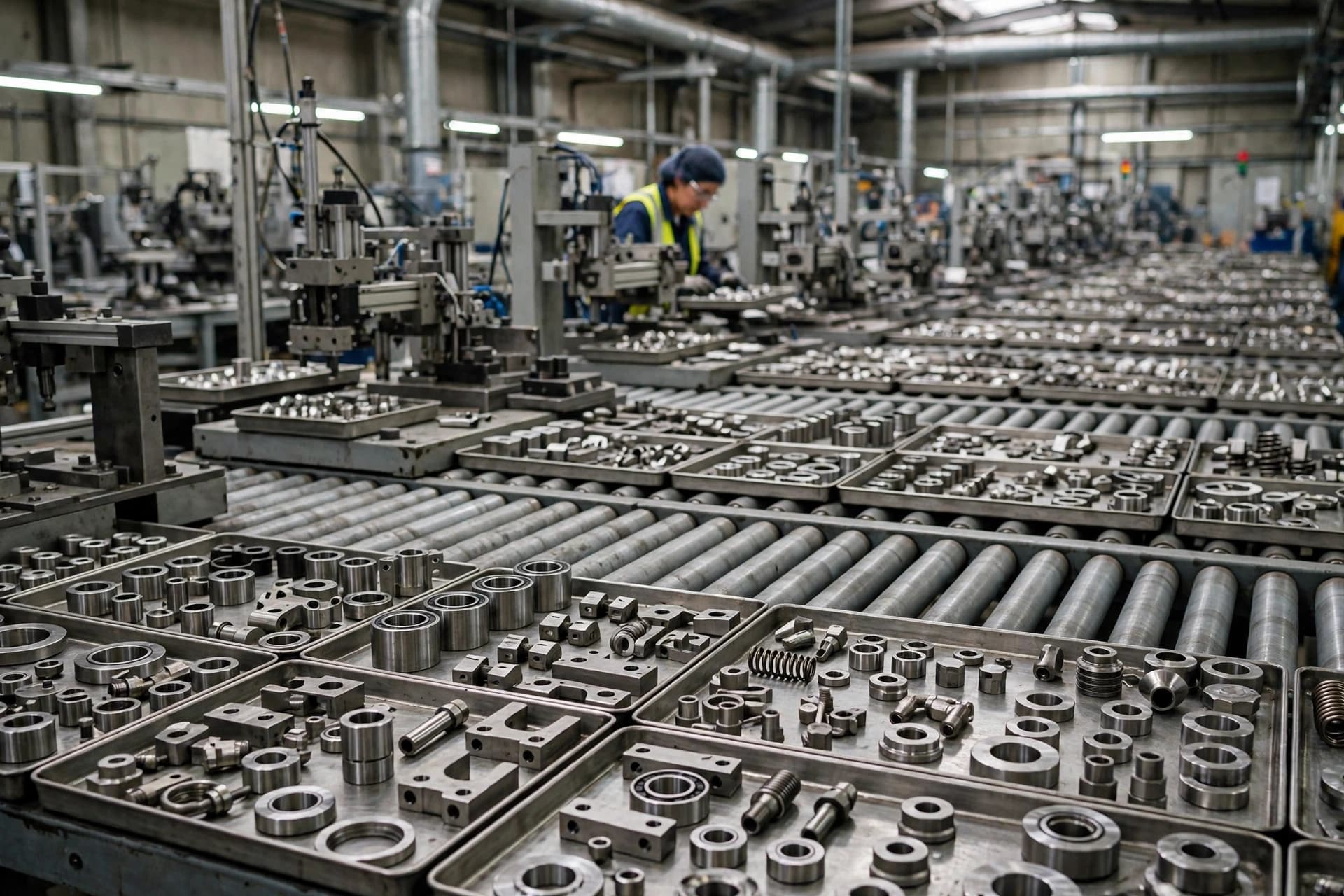
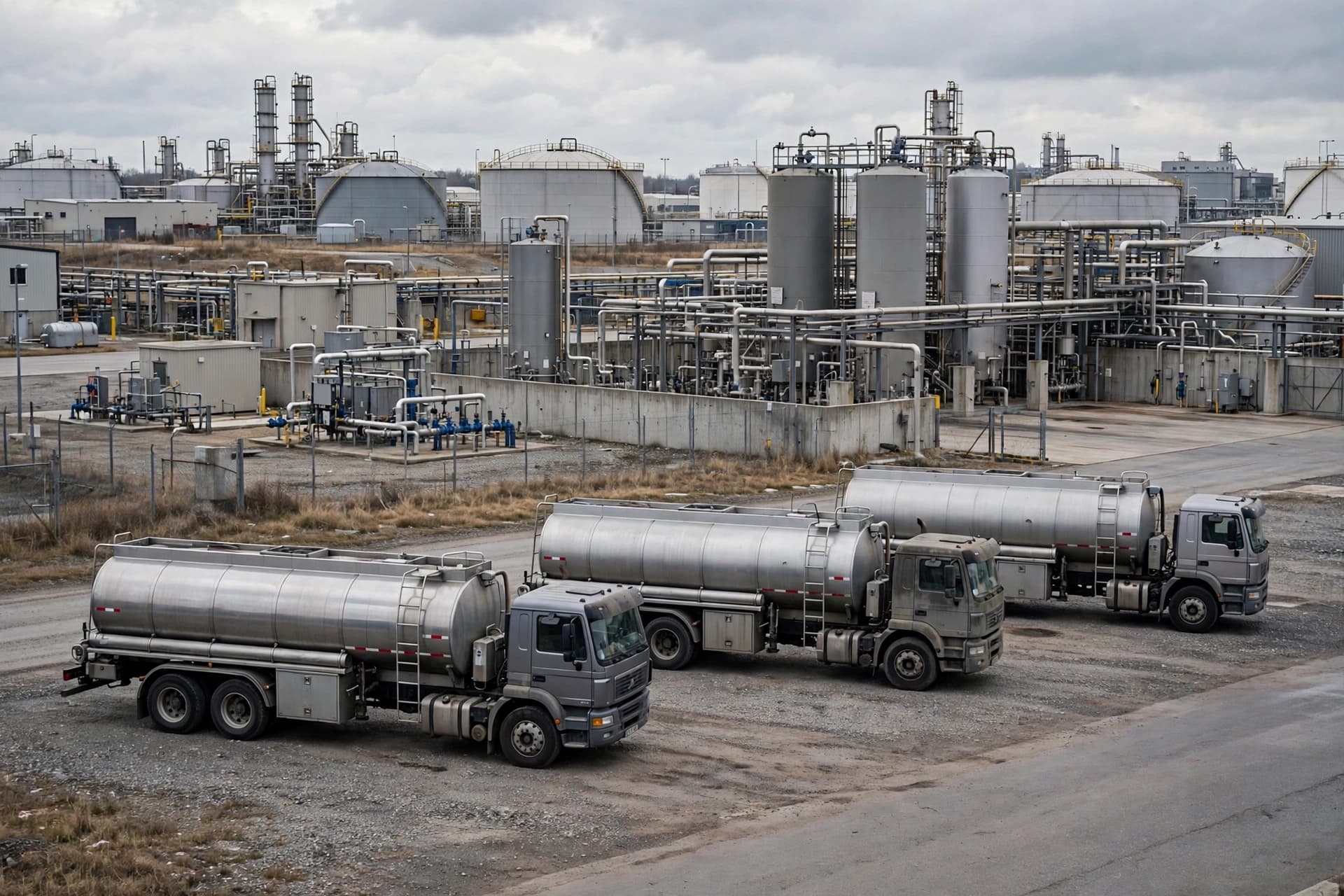
AI Image Disclaimer “Visuals are AI‑generated and intended for representation only, not real photographs.”
Sources
• Reuters analysis on Chinese firms relocating to Singapore amid geopolitical tensions.
Published by Banx Network. This article is part of the Banx decentralized media programme, powered by the BXE token on the XRP Ledger.