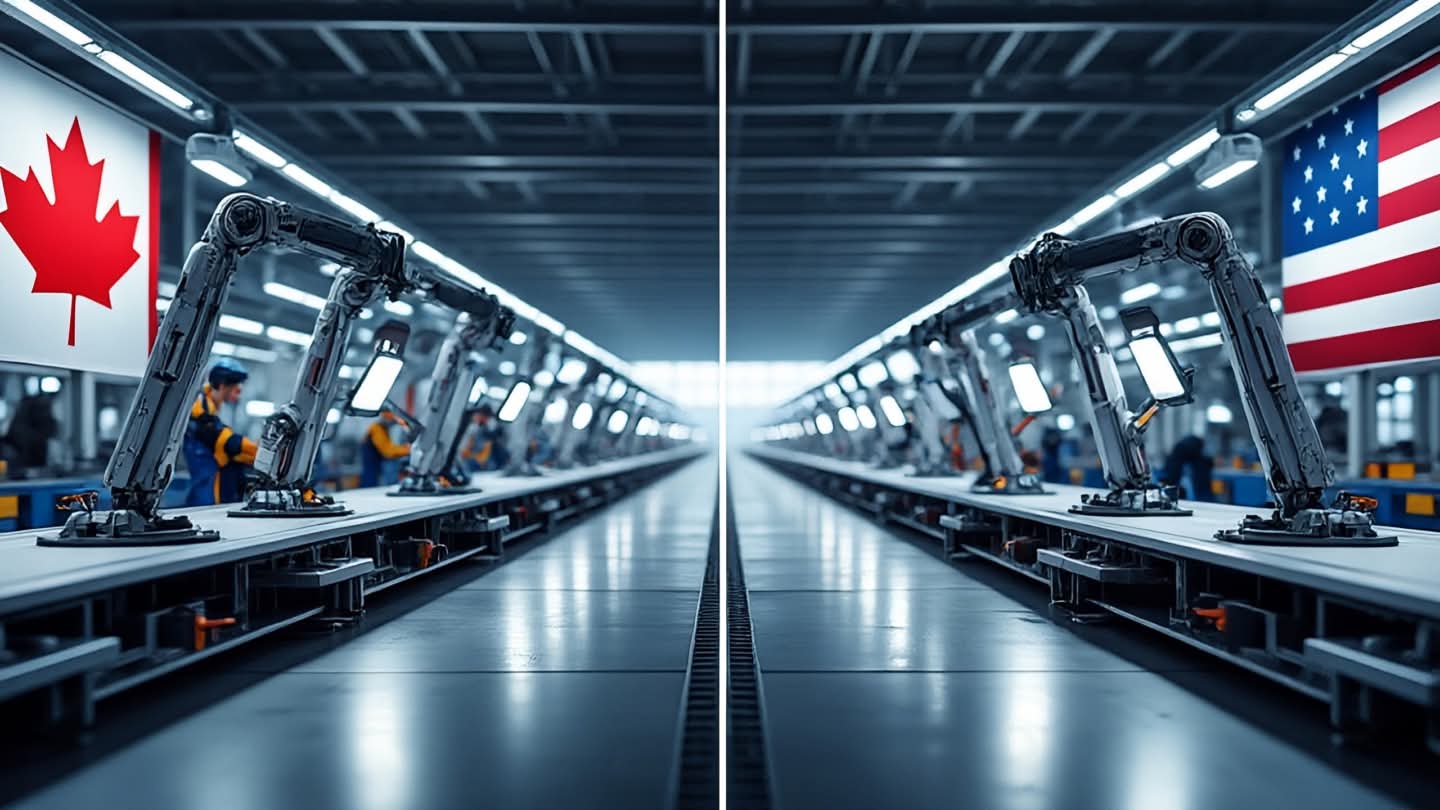
The automotive industry has long been the steel spine of North American trade, a complex web of parts and labor that crosses borders with seamless efficiency. Yet, this intricate dance is now threatened by the sharp rhetoric of protectionism. Prime Minister Mark Carney’s recent warning that President Trump’s tariff demands could dismantle the Canadian auto sector highlights the fragility of this economic symbiosis. As tensions rise, the specter of a fractured supply chain looms large, challenging the very foundation of continental cooperation.
President Trump’s threat to impose tariffs of up to 50 percent on Canadian vehicles and parts has sent shockwaves through boardrooms from Windsor to Detroit. For decades, the integrated nature of the North American auto industry has allowed for competitive pricing and innovation. A vehicle may cross the border multiple times during its assembly, with components sourced from various jurisdictions. Disrupting this flow with heavy taxes would not only raise costs for consumers but also destabilize the manufacturing base that supports thousands of jobs.
Prime Minister Carney has been vocal in his opposition, arguing that such measures are self-defeating. He contends that dismantling the Canadian auto industry would ultimately harm American manufacturers who rely on Canadian parts and assembly plants. The interdependence is so deep that a blow to one side of the border inevitably reverberates on the other. Carney’s stance reflects a broader strategy of defending Canada’s economic sovereignty while seeking to preserve vital trade relationships.
Ford Motor Company, a titan of the industry with significant operations in both countries, has issued its own stark warning. Executives have suggested that if tariffs are implemented, the U.S. market could effectively be "cut off" from the efficient production networks it currently enjoys. This potential isolation would force a costly and time-consuming restructuring of supply chains, likely resulting in higher prices and reduced competitiveness for American automakers globally.
The human cost of such a trade war cannot be overstated. Communities in Ontario and Michigan that have thrived on auto manufacturing face uncertainty and anxiety. Workers worry about the stability of their livelihoods, while local businesses fear the ripple effects of reduced industrial activity. The emotional weight of this economic threat adds a layer of urgency to the political discourse, making it more than just a matter of policy but of community survival.
Negotiations between Ottawa and Washington continue, though the atmosphere remains tense. Both sides recognize the high stakes, yet the ideological divide over trade principles makes compromise difficult. The U.S. administration’s focus on "America First" policies clashes with Canada’s commitment to open and fair trade. Finding a middle ground will require diplomatic finesse and a willingness to look beyond short-term political gains.
As the deadline for potential tariffs approaches, the industry holds its breath. Analysts warn that even the threat of tariffs can disrupt investment and planning, creating a climate of hesitation. The longer the uncertainty persists, the greater the risk of long-term damage to the sector’s resilience and innovation capacity.
The standoff over auto tariffs underscores the delicate balance of North American economic integration. While political posturing may dominate headlines, the real impact will be felt in factories and households across the continent. A resolution that preserves the integrity of the auto industry is essential for the prosperity of both nations.
AI Image Disclaimer: Please note that any accompanying illustrations for this piece are AI-generated representations intended to evoke the mood of the described events.
Sources: CP24, Time Magazine, CBC News, Facebook (WGNTV)
Published by Banx Network. This article is part of the Banx decentralized media programme, powered by the BXE token on the XRP Ledger.