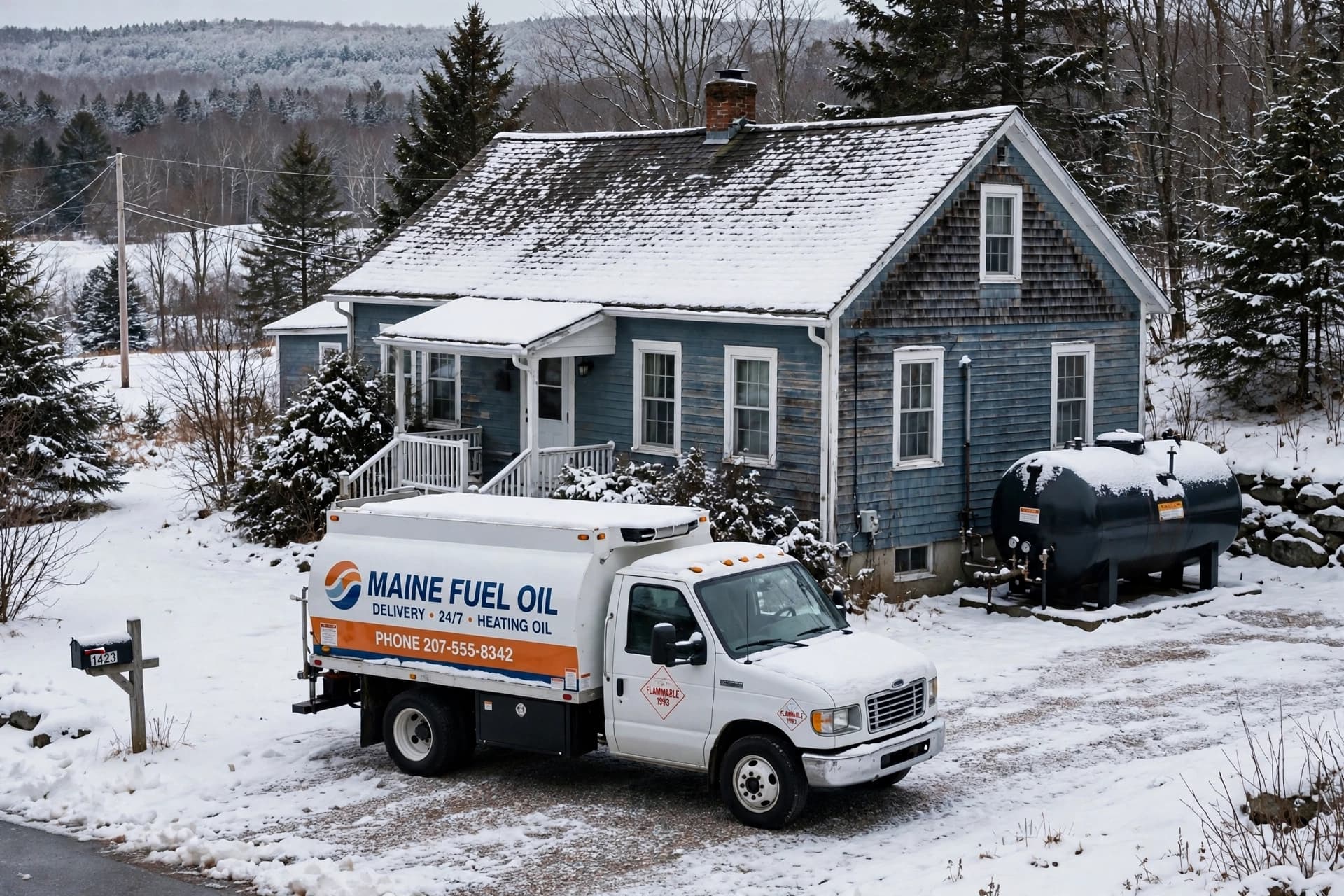
There is a particular vulnerability that attaches to a politician in a cold climate when the price of warmth becomes the dominant issue—a vulnerability made sharper by the fact that the cost of heating oil is not an abstraction but a line item on a monthly bill, a source of anxiety as winter approaches, and a visceral reminder of the economic pressures that Washington sometimes seems slow to address. In Maine, that vulnerability has now landed on Senator Susan Collins, the Republican incumbent who has built a reputation as a moderate dealmaker and who now finds herself on the defensive over the cost of heating oil.
The numbers tell a story that voters feel every day. Heating oil prices in Maine have risen sharply over the past year, driven by the war in Iran, global supply disruptions, and the broader inflationary pressures that have squeezed household budgets across the country. In a state where more than half of households rely on heating oil—the highest share in the nation—the increase has been particularly painful. The average price per gallon has climbed well above what it was a year ago, and for many families, the prospect of filling a tank for the winter is a source of genuine financial stress.
Collins, who is seeking a sixth term in a state that has become increasingly competitive, has faced criticism from her Democratic challenger and from advocacy groups who argue that she has not done enough to address the price spike. Her opponent, Janet Mills, the state's governor, has called for federal action to stabilize prices and to provide relief to households, and has sought to tie Collins to the policies of the Trump administration, which has been blamed by critics for contributing to the increase through the war and through tariffs. Collins has countered that she has long supported programs that help Maine households with heating costs, and she has pointed to her role in securing federal funding for the Low Income Home Energy Assistance Program.
The political context is one of a tight race in a state that has often defied national trends. Collins has been reelected five times, and she has a well-earned reputation for securing federal benefits for her state. But the political environment is difficult for Republicans, and the price of heating oil has become a symbol of the broader economic discontent that has shaped the midterm campaign. For voters in Maine, the issue is not about political philosophy; it is about whether they can afford to keep their homes warm. Collins has sought to address that concern directly, but the price of oil is determined by global markets, and the levers available to a single senator are limited.
For now, the race remains close, and the heating oil issue is one of several factors that will determine the outcome. The winter is coming, and the price of warmth is on the minds of voters. Whether that translates into a change in the Senate remains to be seen.
AI Image Disclaimer: All images in this article are AI-generated and are intended for illustrative purposes only.
Sources: Bangor Daily News, Portland Press Herald, Associated Press, News Center Maine
Published by Banx Network. This article is part of the Banx decentralized media programme, powered by the BXE token on the XRP Ledger.