Artificial intelligence is changing the way businesses operate, from transportation and manufacturing to healthcare and scientific research. Behind the software that powers these systems is a complex network of semiconductor technologies, including specialized components that help computers process increasingly demanding workloads.
South Korea has spent decades building a significant position in the global semiconductor industry. Its manufacturers supply components used in smartphones, data centers, vehicles, and other electronic devices. As demand for artificial intelligence continues to grow, the industry is also paying closer attention to the materials and packaging technologies needed to connect advanced chips to increasingly powerful computing systems.
On October 22, 2026, Reuters reported that Samsung Electro-Mechanics could receive a combined investment of 3.7 trillion won, or approximately $2.8 billion, from Tesla and Nvidia, according to information attributed to South Korean newspaper Maeil Business Newspaper. The reported plans involve production lines for advanced flip-chip ball grid array substrates, commonly known as FC-BGA substrates.
According to the report, Tesla's proposed contribution was 1.1 trillion won, while Nvidia's was 2.6 trillion won. These figures describe reported investment plans and should not be interpreted as proof that all agreements have been finalized or that the money has already been transferred.
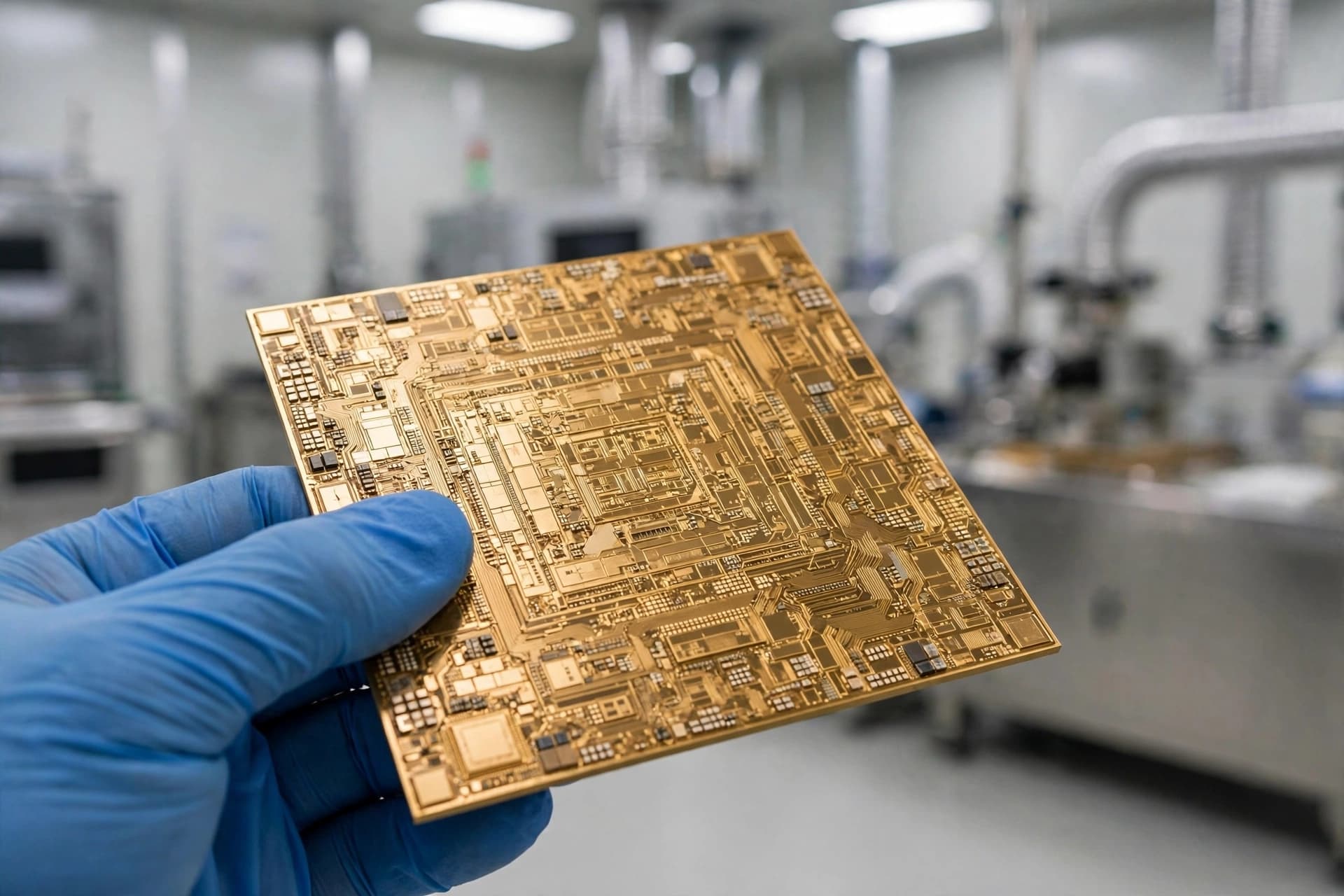
FC-BGA substrates play an important role in connecting semiconductor chips with electronic systems. As chips become more complex and powerful, the supporting components must also meet increasingly demanding requirements for electrical performance, reliability, and heat management. Advanced substrates are therefore an important part of the broader infrastructure supporting high-performance computing.
The reported plans also illustrate how the artificial intelligence boom is influencing businesses beyond the companies that design processors or operate large data centers. Demand for AI computing can create opportunities for suppliers of substrates, manufacturing equipment, testing services, and other specialized materials. These supporting industries may become increasingly important as computing systems expand.
For South Korea, potential investment in advanced substrate production could strengthen the country's position across more stages of the semiconductor supply chain. It could also support local manufacturing activity and encourage further development of specialized production capabilities. However, the eventual economic impact would depend on how the plans progress, how quickly facilities are developed, and how much long-term demand materializes.
Tesla and Nvidia operate in different parts of the technology ecosystem, but both rely on sophisticated computing and electronics. Their reported involvement highlights the growing connections between artificial intelligence, automotive technology, and the companies that manufacture components for advanced electronic systems.
The next stage will depend on execution. New production lines require equipment, skilled workers, quality-control processes, and reliable customer demand. Investment announcements can indicate confidence in a market, but lasting results emerge only when manufacturing capacity becomes operational and products meet customers' technical requirements.
The reported investment plans offer a useful example of how the AI economy extends beyond the most visible technology brands. For South Korea, the opportunity lies not only in producing advanced chips but also in supplying the specialized components that help those chips function. Whether the reported plans lead to the expected growth will become clearer as the companies provide further confirmation and production moves forward.
### Image Disclaimer
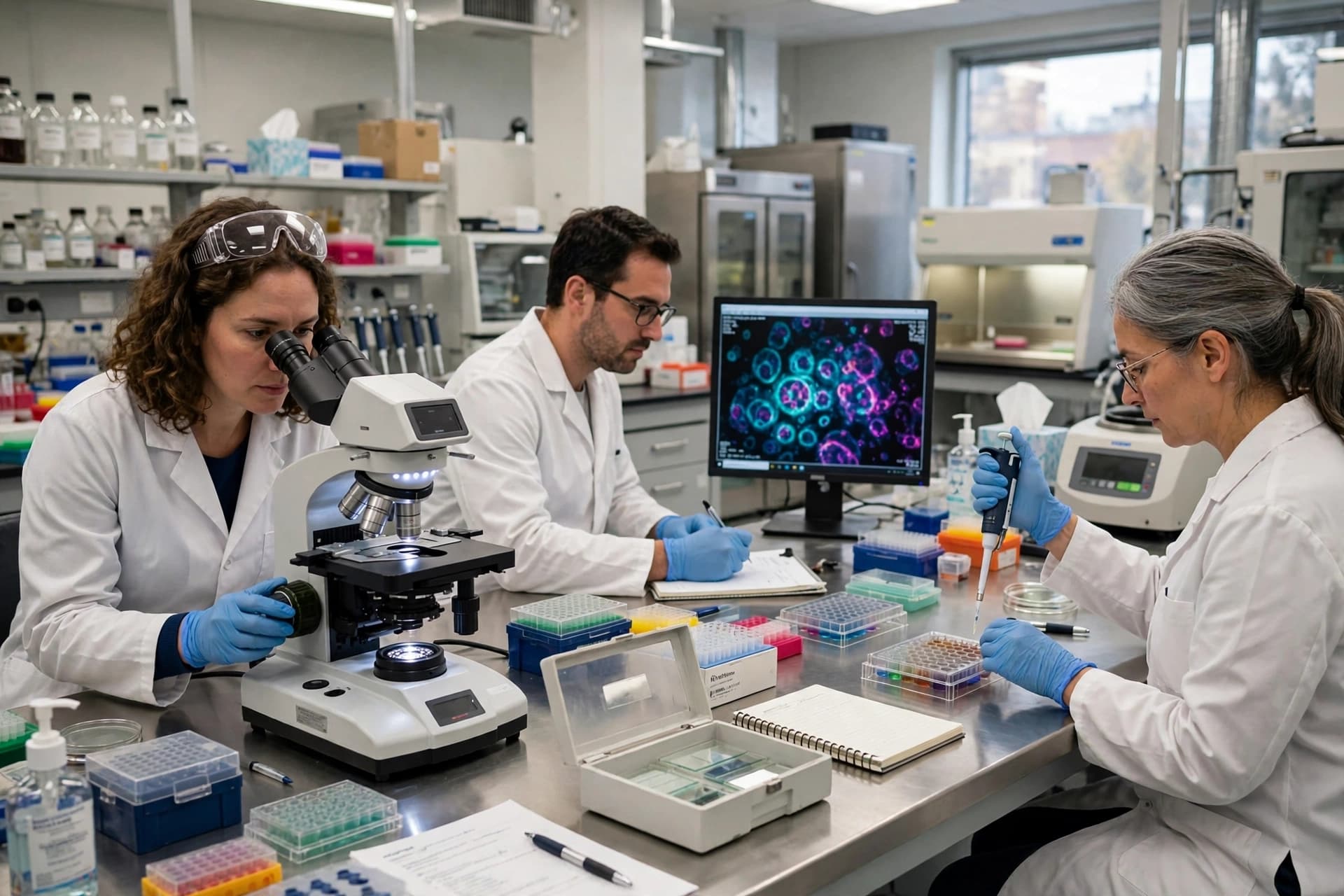
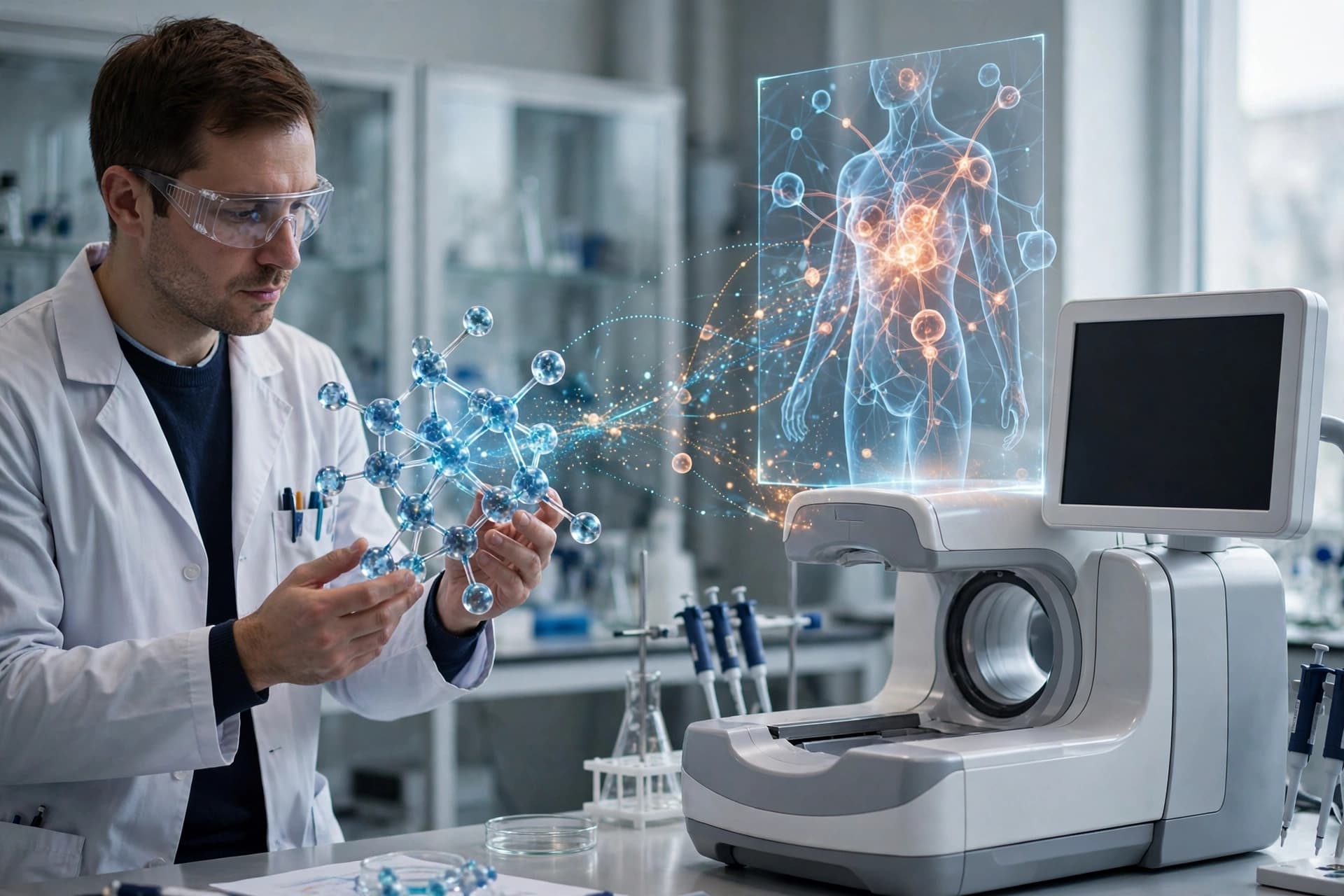
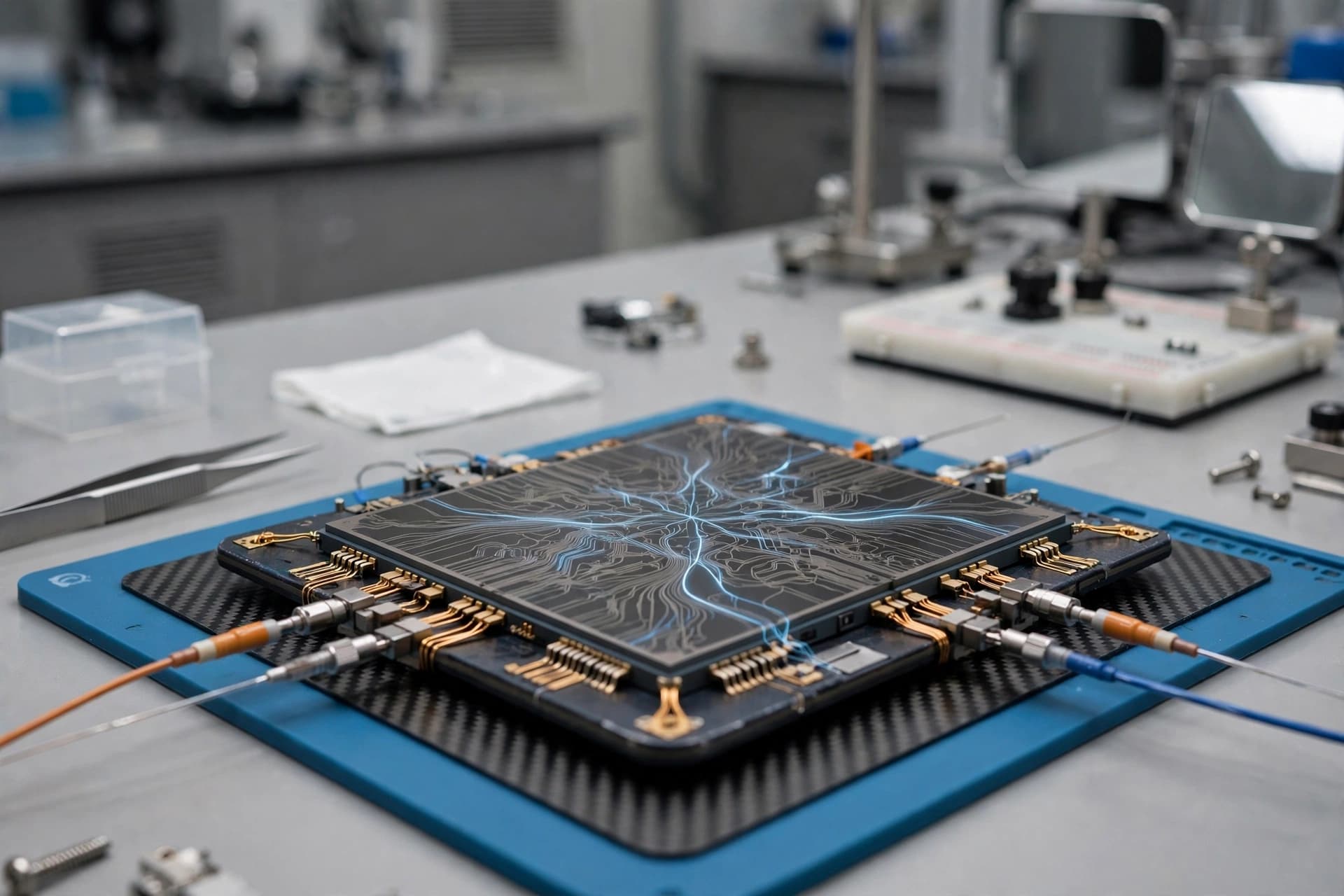
The accompanying image is an illustrative visual of semiconductor manufacturing. It does not depict a confirmed investment signing or an actual production event connected to the report.
### Sources
Reuters; Maeil Business Newspaper; Samsung Electro-Mechanics.
Published by Banx Network. This article is part of the Banx decentralized media programme, powered by the BXE token on the XRP Ledger.