A living cell is small enough to escape the naked eye, yet its behavior reflects a vast network of chemical reactions, genetic instructions, and environmental influences. Understanding how those processes interact is one of the enduring challenges of biology. Researchers have long relied on experiments conducted in laboratories, but advances in computing are creating new opportunities to combine experimental evidence with predictive models.
On October 7, 2026, nonprofit research organization Biohub announced an expansion of its Virtual Biology Initiative, bringing the total commitment to approximately $1.8 billion. The effort involves the U.S. Department of Energy, the National Institutes of Health, and technology and research organizations including Meta, Google DeepMind, and Isomorphic Labs. Its central goal is to build large, standardized biological datasets that can support artificial intelligence models of cellular behavior.
The project responds to a fundamental limitation in biological AI: data is often fragmented, collected through different methods, and difficult to compare across laboratories. Language models can learn from enormous quantities of text, but biology requires measurements of physical systems under controlled conditions. Researchers need information about how cells respond to disease, chemical compounds, environmental changes, and other influences before a model can make useful predictions.
Under the initiative, participating organizations plan to combine funding, laboratory measurement technologies, computing resources, and existing research datasets. Meta, Google DeepMind, and Isomorphic Labs are contributing a combined $300 million, while the Department of Energy plans to invest more than $500 million over five years. The NIH will help coordinate and standardize biological data derived from previous federal research investments.
One ambition is to develop what researchers describe as a “virtual cell”: a computational model capable of predicting how a cell might respond under different conditions. Such a model could eventually help scientists compare hypotheses digitally before choosing which experiments to perform in a physical laboratory. In principle, this could reduce unnecessary testing and help researchers prioritize promising directions.
However, a virtual cell should not be understood as a complete digital replica of every biological process. Cells behave differently depending on their type, state, surroundings, and interactions with other cells. A model trained on incomplete or inconsistent data may produce confident predictions that fail when tested experimentally. Creating reliable simulations therefore requires not only computing power, but also careful measurement, reproducibility, and ongoing validation.
The initiative’s open-science ambitions are another important part of the plan. The organizations have said that the datasets will become available to the broader research community after an initial period of exclusive access for commercial partners. That arrangement could encourage investment in data generation while also raising questions about how quickly publicly supported research resources become accessible to independent scientists.
For drug developers, better biological models could help identify promising targets, explore how compounds affect cells, and generate hypotheses for further investigation. Yet a computer model cannot by itself establish that a medicine is safe or effective in people. Laboratory studies, animal research where applicable, and carefully designed clinical trials remain essential steps in developing treatments.
The project illustrates a broader change in scientific research: progress increasingly depends on the quality and compatibility of data as much as on the sophistication of algorithms. If the initiative succeeds in creating reliable, widely useful biological resources, it could give researchers a stronger foundation for asking questions that are currently difficult to investigate. Its real value will emerge through predictions that survive the test of physical evidence.
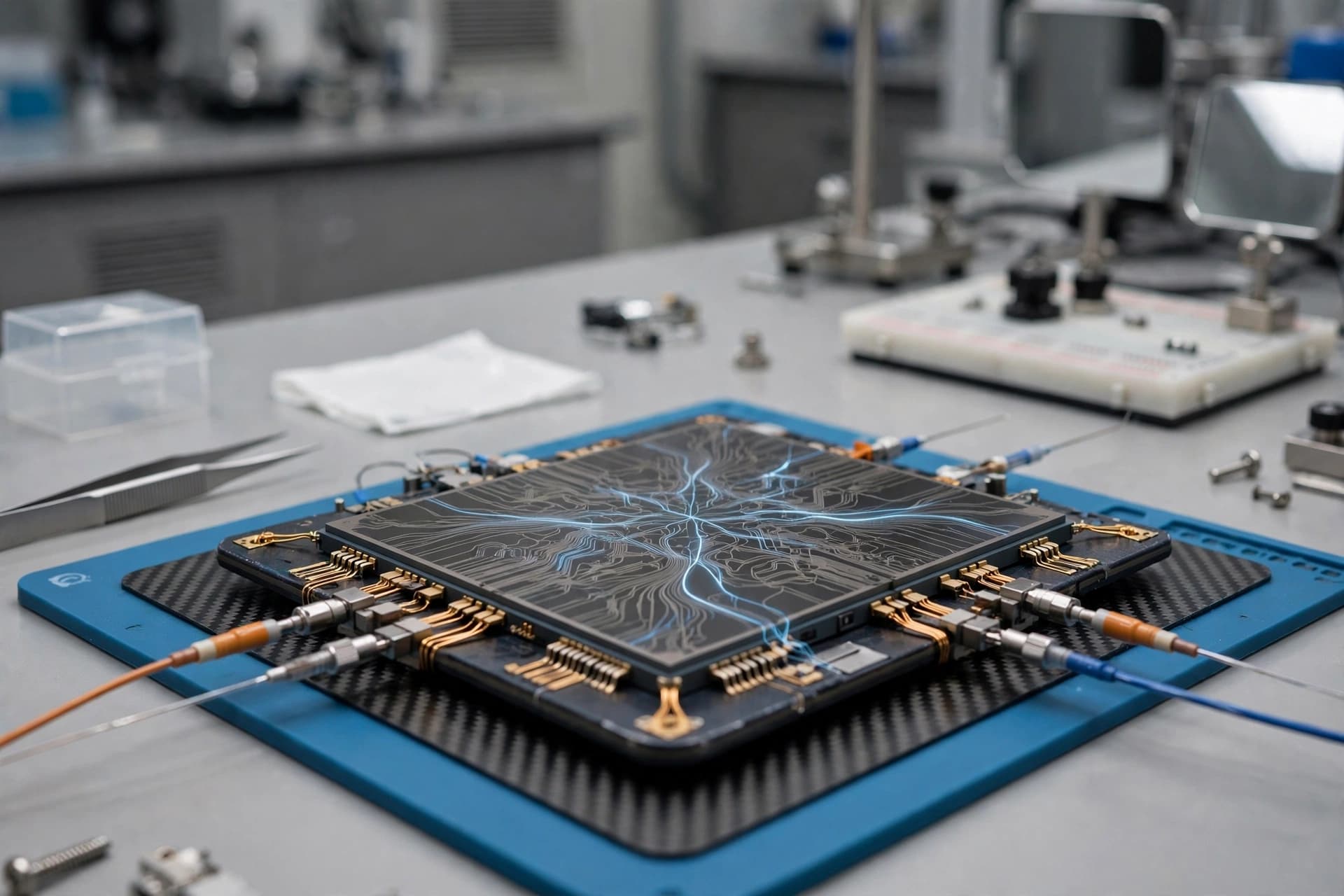
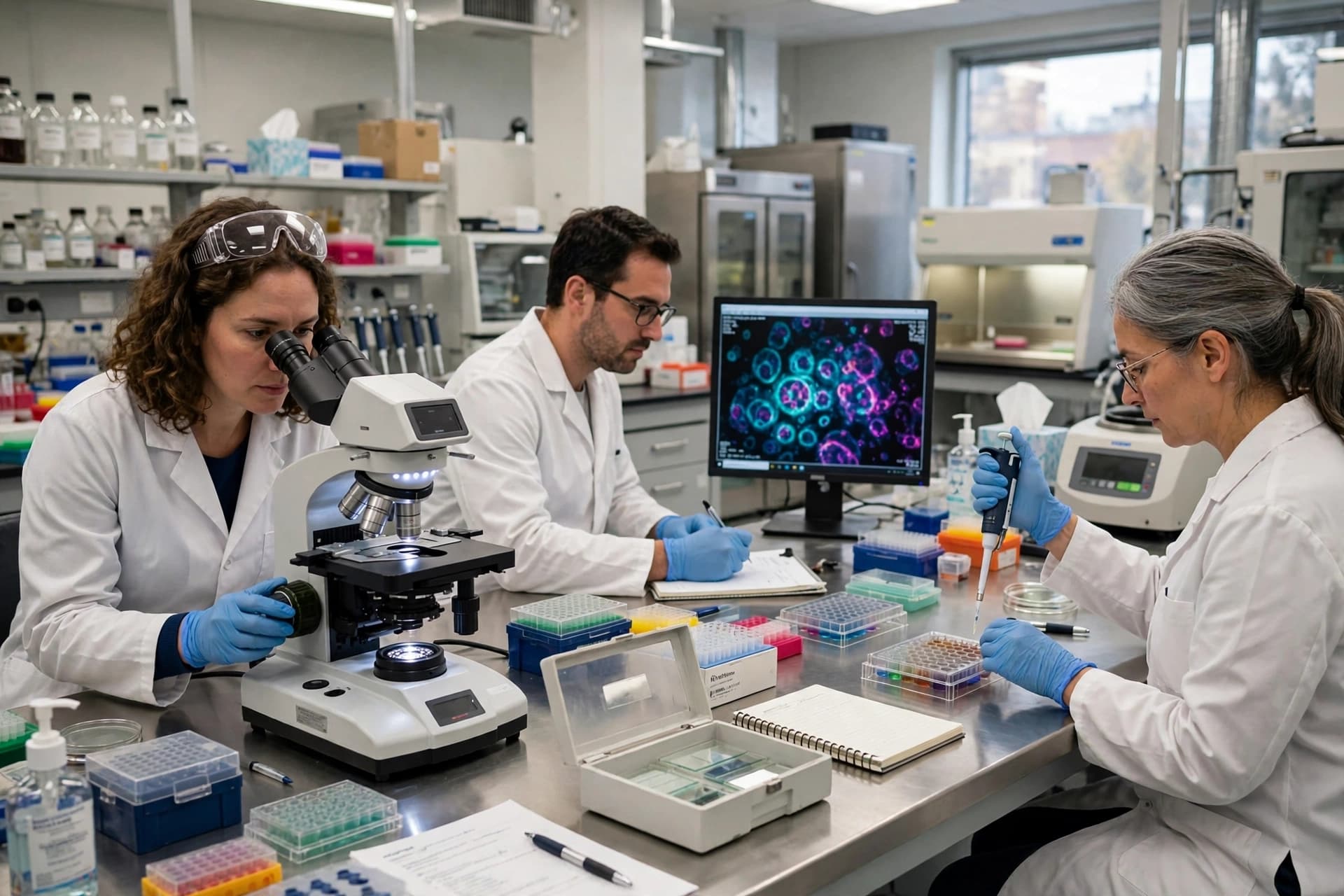
AI Image Disclaimer: Any AI-generated illustration is a conceptual visualization of cellular biology and computational research. It does not represent an actual cell model, laboratory result, or verified scientific discovery.
Published by Banx Network. This article is part of the Banx decentralized media programme, powered by the BXE token on the XRP Ledger.