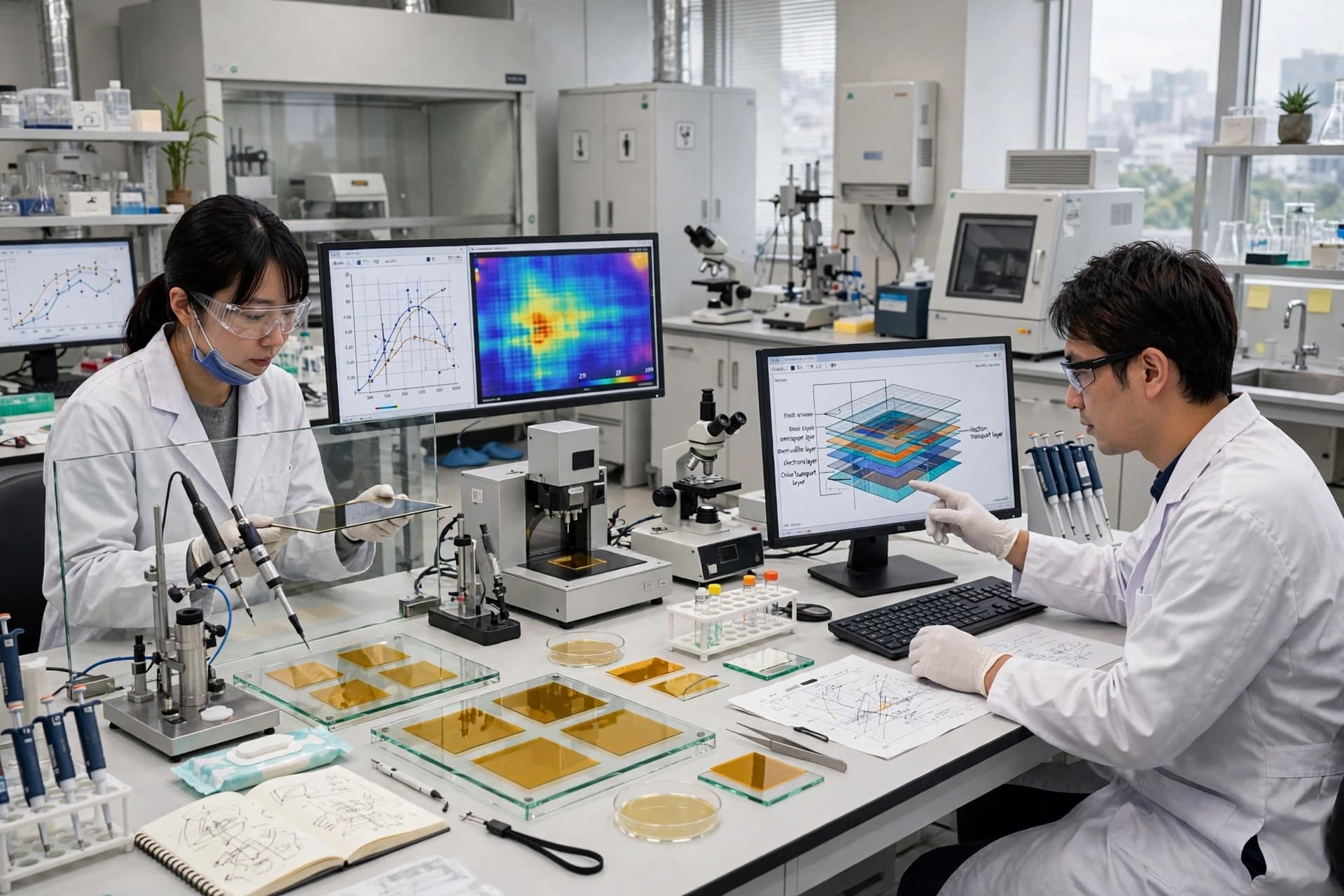
Some of medicine’s most important tools are invisible to the naked eye. Radiopharmaceuticals combine radioactive materials with compounds that help clinicians examine biological processes or deliver targeted treatment. Used under specialized medical supervision, these products can contribute to diagnosing diseases and managing certain cancers.
On October 8, 2026, Iran’s Tasnim News Agency reported that the head of the Atomic Energy Organization of Iran said the country was regularly producing and supplying 78 radiopharmaceutical products. More than 20 additional products were reportedly still in the research phase.
The announcement was made during the inauguration of a cancer diagnosis and treatment center for children at Hakim Children’s Hospital. It highlighted the role that nuclear science can play in healthcare, alongside its better-known applications in energy and scientific research.
Radiopharmaceuticals are used in different ways depending on their composition. Some contain radioactive tracers that allow medical teams to observe processes inside the body through specialized imaging. Others are designed to deliver radiation to specific tissues, including certain cancer cells. Their clinical use depends on the product, the disease being investigated, and the patient’s medical circumstances.
The development of these products requires more than the ability to produce radioactive materials. Researchers must establish appropriate formulations, evaluate quality and safety, and demonstrate that a product is suitable for its intended use. Manufacturing must also maintain strict controls because medical products require reliable composition, handling, and delivery.
According to the announcement, more than 20 other radiopharmaceuticals remain under research. That distinction matters: a product in development is not necessarily ready for routine clinical use. Research-stage products may require further testing and regulatory review before they can become part of standard medical practice.
The report also described broader work involving radiation technologies in agriculture and food processing. Such applications can include treating selected products to reduce microbial contamination, control certain pests, or extend shelf life. Their suitability depends on the food, the treatment process, and the relevant safety standards.
For healthcare systems, access to specialized medical products can be important when patients require diagnostic procedures or particular cancer treatments. However, the number of products produced does not alone demonstrate how widely they are used, whether they are available in every hospital, or how much they improve patient outcomes. Those questions require separate clinical and supply information.
The announcement provides a snapshot of Iran’s stated radiopharmaceutical production capacity and research pipeline. Independent verification of the full product list, regulatory status, distribution, and clinical outcomes would be needed to assess the programme comprehensively.
Even so, the underlying field illustrates how scientific technologies can find practical applications beyond the laboratory. As radiopharmaceutical research develops, the key measures of progress remain product quality, appropriate clinical evidence, safe handling, and meaningful benefits for patients.
### Image Disclaimer
The illustrations are conceptual representations of radiopharmaceutical research and medical imaging. They do not depict specific Iranian products, actual patient treatments, or independently verified clinical outcomes.
### Sources
• Tasnim News Agency
• Atomic Energy Organization of Iran
• Hakim Children’s Hospital
Published by Banx Network. This article is part of the Banx decentralized media programme, powered by the BXE token on the XRP Ledger.