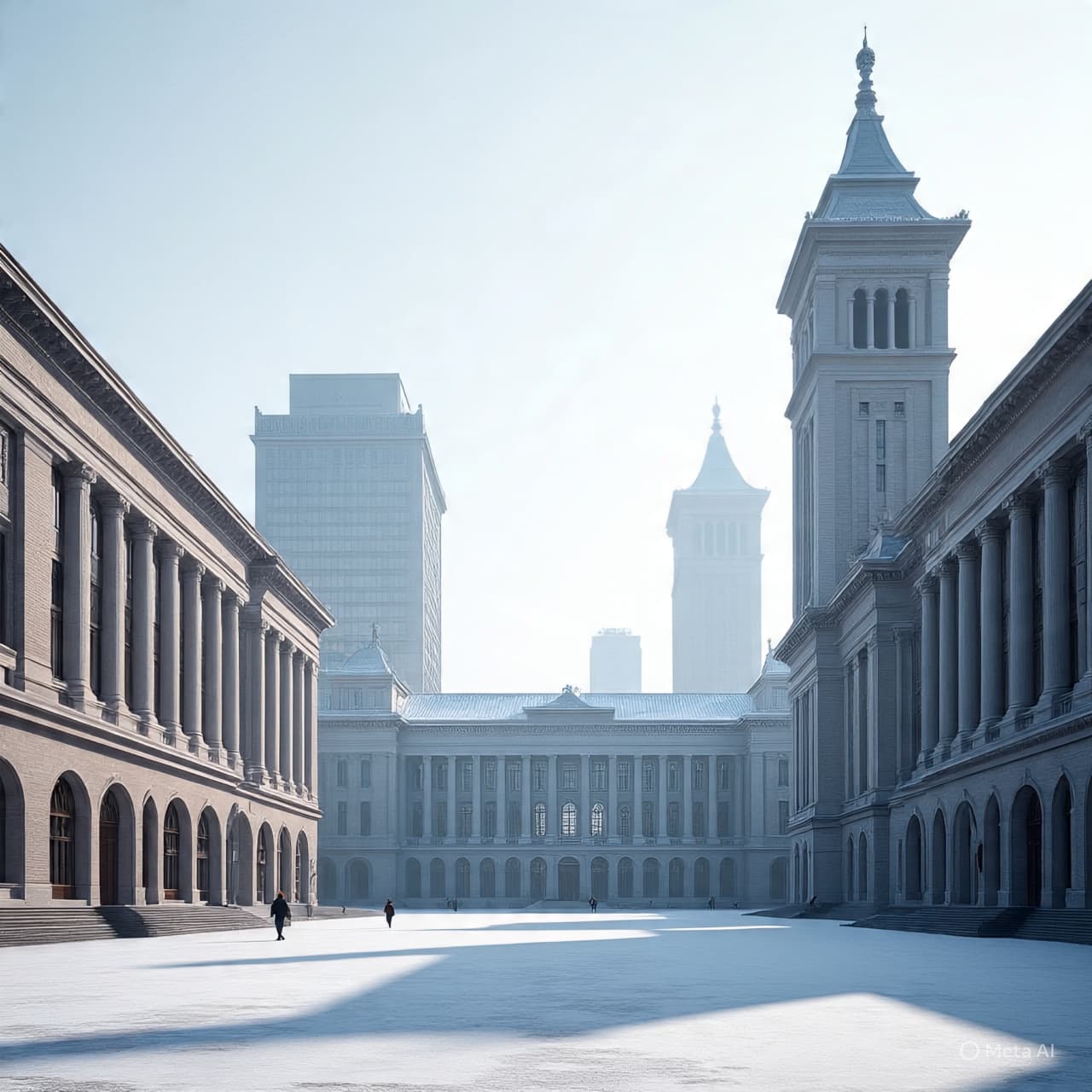
In Beijing, winter light falls flat against wide avenues and official buildings, the season lending everything a restrained, deliberate quiet. Statements here often arrive the same way—measured, clipped, leaving little room for drift. When they do, their weight lies less in flourish than in firmness, a reminder that some lines are drawn long before they are spoken aloud.
That tone surfaced again after news emerged that the Dalai Lama had been awarded a Grammy, recognized for a spoken-word recording rooted in reflections on compassion and the human spirit. China’s response followed swiftly. Officials dismissed the honor, reiterating their long-held position that the Tibetan spiritual leader is “not a religious person” but a political figure, and reaffirming Beijing’s opposition to any international recognition that might, in its view, legitimize him.
The disagreement is not new, but its setting is telling. The Grammy Awards, a ceremony typically associated with celebrity, music, and cultural spectacle, are far removed from the diplomatic chambers where such disputes usually play out. Yet culture, like politics, travels easily. A trophy presented in Los Angeles can echo across continents, touching sensitivities shaped by decades of unresolved tension over Tibet’s status and identity.
For Beijing, the Dalai Lama remains inseparable from what it describes as separatist activity, a narrative consistently reinforced in official messaging. For supporters abroad, he is seen as a symbol of nonviolence and spiritual reflection, his influence extending beyond religion into global conversations about ethics and peace. The Grammy recognition, modest in material terms, nevertheless sits at the intersection of these competing interpretations.
Beyond the immediate exchange lies a broader pattern. As China asserts itself more confidently on the world stage, its reactions to cultural gestures have grown more explicit, signaling that soft power and symbolism are no longer peripheral concerns. Awards, films, and public platforms are increasingly scrutinized for the meanings they may carry, intentionally or not.
The ceremony itself has passed, the applause faded, the statuette placed on a shelf. What remains is the reminder that even quiet honors can resonate loudly, especially when history is unresolved. In responding, China has once again drawn a familiar boundary—one that separates recognition from acceptance, and culture from concession—leaving the wider world to note how far such echoes can travel.
AI Image Disclaimer Visuals are AI-generated and serve as conceptual representations.
Sources Reuters Associated Press The New York Times Grammy Awards Organization
نُشر بواسطة Banx Network. هذا المقال جزء من برنامج الوسائط اللامركزية من Banx، مدعومًا برمز BXE على شبكة XRP Ledger.