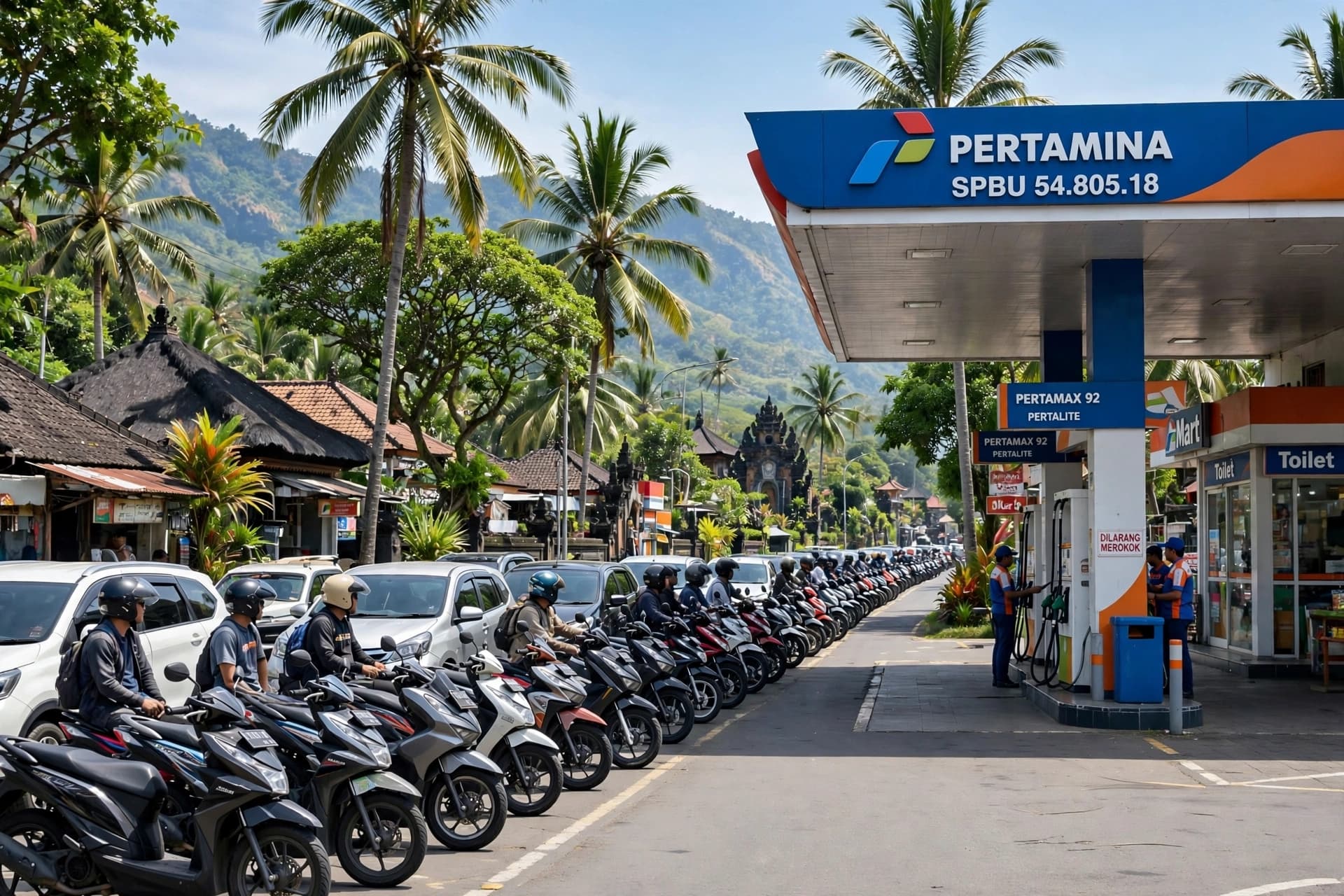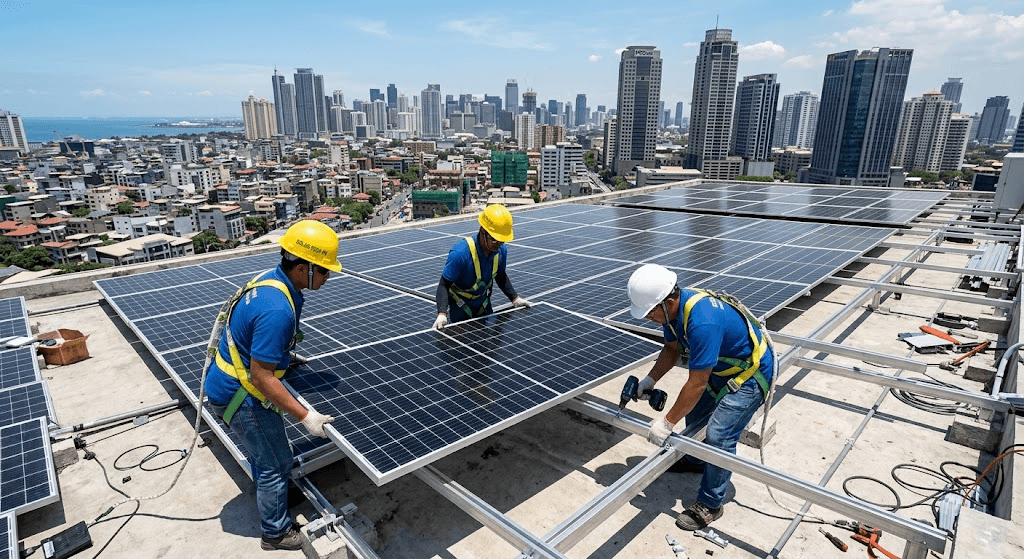
MANILA, PHILIPPINES — Escalating geopolitical tensions and conflict in the Middle East have triggered a massive surge in global oil and gas prices, driving electricity bills to record highs across the Philippines. In response, thousands of Filipino households, commercial centers, and industrial facilities are rapidly turning to solar energy to hedge against volatile fossil fuel costs.
The archipelago nation—which relies heavily on imported coal and gas for over 70% of its power mix—was already facing some of Southeast Asia’s highest retail electricity rates before global supply shocks intensified. As wholesale electricity prices spiked following Middle East shipping disruptions, rooftop solar installations have nearly doubled nationwide, transforming the Philippines into one of the region's fastest-growing markets for photovoltaic technology.
Local solar installers across Metro Manila and surrounding provinces report unprecedented demand, with installation backlogs extending up to a month as suppliers scramble to import solar panels and high-capacity battery systems. Major commercial developers and shopping mall operators are also accelerating plans to cover expansive rooftops with solar arrays, attempting to insulate their operating costs from market fluctuations.
While high upfront installation costs remain a barrier for lower-income households, community initiatives and target government loan programs have begun expanding access for residential properties. Energy analysts point out that the dramatic drop in global panel prices over recent years has significantly shortened the return on investment for consumers facing soaring utility bills.
Despite the rapid adoption of rooftop solar, industry experts emphasize that grid integration remains a critical bottleneck. Transmission networks require significant upgrades to handle decentralized power generation and mitigate potential stability issues during peak sunlight hours.
Government energy officials maintain that while emergency measures and fossil fuel reserves are helping navigate immediate supply vulnerabilities, the current crisis highlights the urgent need to accelerate utility-scale renewable infrastructure.
As energy security becomes a top national priority, the solar boom is expected to play a pivotal role in reshaping the country's long-term energy landscape, offering a cleaner, more resilient alternative to imported fossil fuels.
Published by Banx Network. This article is part of the Banx decentralized media programme, powered by the BXE token on the XRP Ledger.