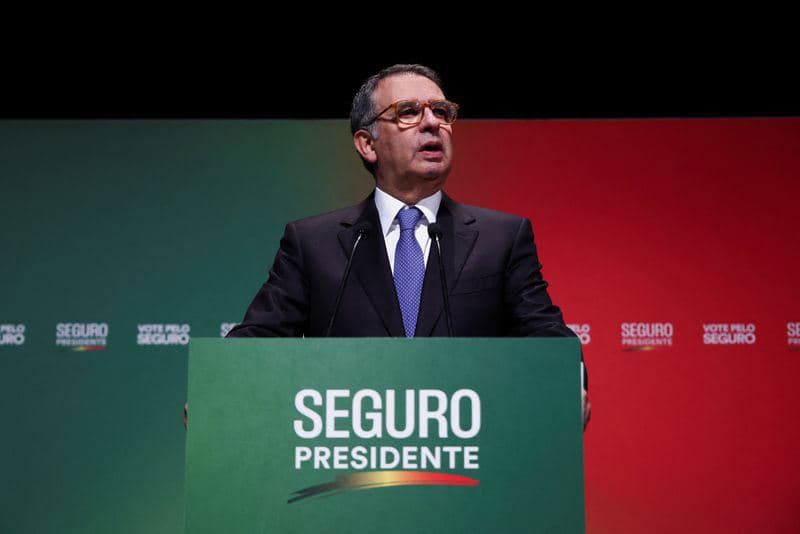
Polling data reveals that a socialist candidate is poised to win against a far-right leader in the forthcoming presidential election in Portugal. This potential outcome highlights shifting political sentiments in the nation, as voters grapple with rising concerns over inequality, social justice, and national values.
The socialist candidate, who has focused on progressive policies addressing economic disparities and social welfare, appears to resonate with a broad segment of the electorate. In contrast, the far-right leader has drawn criticism for divisive rhetoric and controversial political positions, which seem to be alienating some voters.
Analysts suggest that the polling indicates a growing appetite among the Portuguese public for inclusive governance and policies that address contemporary challenges. The election is seen as critical, not only for domestic political dynamics but also for Portugal's role in the broader European context, especially amid ongoing discussions about immigration, climate change, and economic recovery.
As the election date approaches, both candidates are ramping up their campaigns, aiming to secure undecided voters. The socialist candidate’s platform, which emphasizes solidarity and community, contrasts sharply with the far-right’s focus on nationalism and conservative values, setting the stage for a tense electoral battle.
Voter turnout will be crucial in determining the outcome, as recent elections have shown that engaged participation can significantly influence results. Observers are closely monitoring developments, as Portugal's political trajectory may have implications for trends across Europe, particularly in relation to the rise of far-right movements and the responses of left-leaning parties.
Published by Banx Network. This article is part of the Banx decentralized media programme, powered by the BXE token on the XRP Ledger.