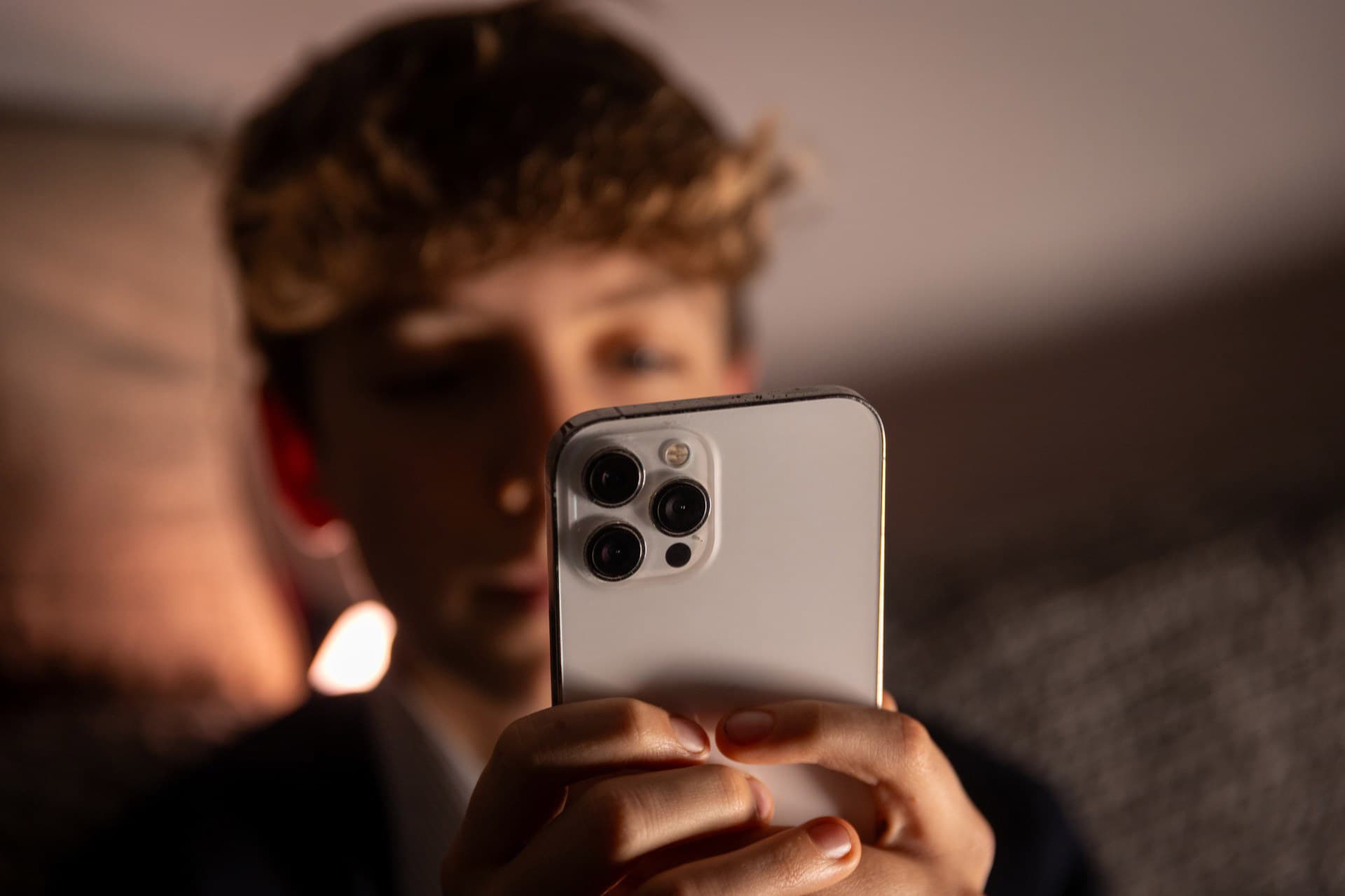
The House of Lords has officially backed a proposal to implement a ban on social media use for individuals younger than 16, seeking to address the growing concerns over online safety and mental health in youth. This initiative comes amidst rising awareness of the negative impacts of social media on children, including issues related to cyberbullying, privacy, and mental well-being.
Supporters of the ban argue that restricting access to social media platforms will help safeguard vulnerable young individuals from harmful content and exploitative behaviors rampant in online environments. The discussion has gained traction as more studies reveal the detrimental effects of social media exposure on adolescents' mental health and self-esteem.
The proposal is expected to lead to a broader examination of digital policies and regulatory frameworks surrounding social media usage. Experts argue that alongside a ban, it’s crucial to implement educational programs aimed at teaching digital literacy and responsible online behavior among young people.
While the proposed ban has garnered support from various sectors, including child safety advocates, it also faces criticism for potentially infringing on personal freedoms and the right to information. Opponents suggest that rather than an outright ban, the focus should be on enhancing parental controls and improving platform accountability.
As discussions continue, the House of Lords is expected to deliberate further on the implications and logistics of enforcing such a ban, highlighting the urgency of addressing the challenges posed by the digital age for younger generations.
Published by Banx Network. This article is part of the Banx decentralized media programme, powered by the BXE token on the XRP Ledger.