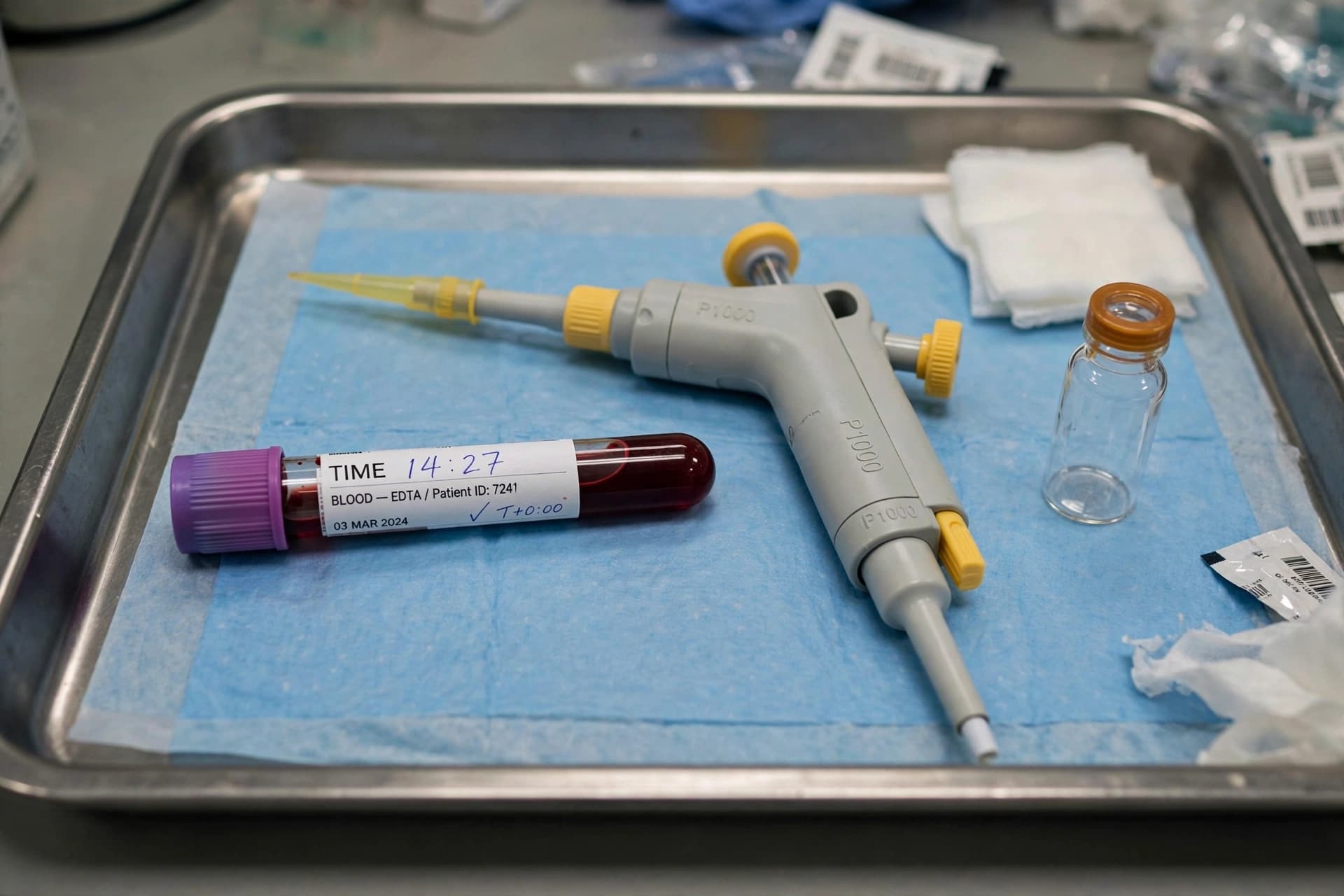
Science often advances through acts that seem closer to myth than laboratory routine. The latest milestone arrives from U.S. researchers who have, for the first time, created early-stage human embryos using DNA extracted from skin cells. What reads like a line from speculative fiction is in fact a tentative step toward technologies that could one day reshape fertility medicine. The experiment was both modest and monumental. Scientists managed to generate 82 egg cells reconstructed with genetic material from skin. Several of these proceeded into embryonic development, surviving up to six days—the outer boundary currently permitted for laboratory research. None progressed further, nor was that the goal. Instead, the aim was to test whether the blueprint of life could be redrawn outside its usual channels. The implications are vast. If the method matures, it could provide answers for those whose fertility is compromised by age, illness, or genetic factors. The concept of creating viable embryos without relying on donor eggs might transform the terrain of reproductive medicine. Yet the horizon remains distant: researchers estimate at least a decade before clinical use could even be considered. The obstacles are not merely technical. Reprogramming cells into reproductive precursors raises concerns about genetic errors, ethical governance, and the slippery boundaries of human experimentation. Unlike the controlled precision of in-vitro fertilization, this path would involve rewriting the biological script at a far earlier stage. Each success brings with it the need for stronger oversight. Still, the achievement reflects a broader trend in biology—where the line between what is natural and what is engineered blurs. Just as stem cell science once redefined medical possibility, the idea that skin cells could be coaxed into becoming eggs points toward a future in which fertility may no longer be bound by age or circumstance. The embryos in this case lived for less than a week. Yet in those six days, they carried a signal: that human biology is no longer just inherited, but increasingly designed. This article is based on reporting from Nature, MIT Technology Review, and The Guardian.
Published by Banx Network. This article is part of the Banx decentralized media programme, powered by the BXE token on the XRP Ledger.