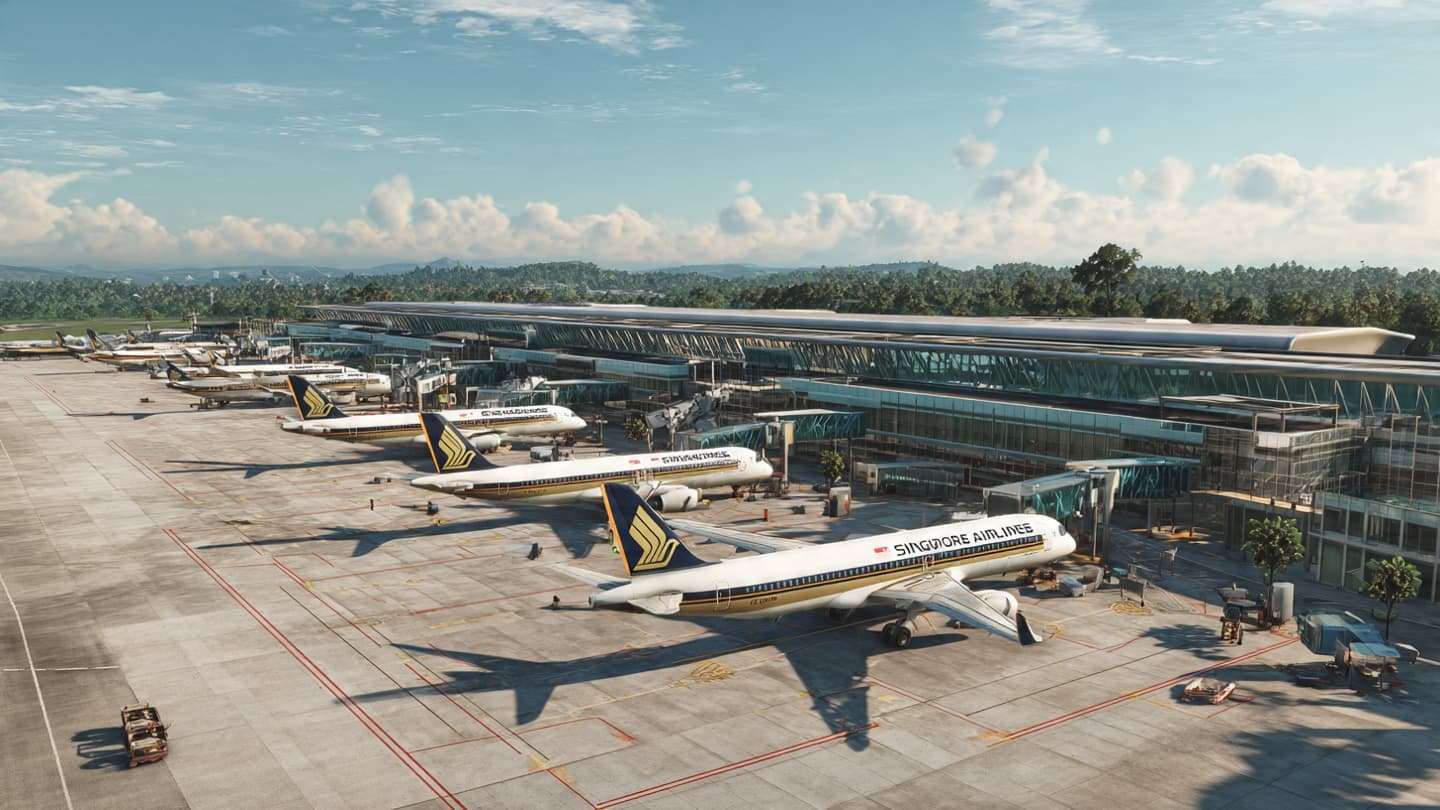
At Singapore’s Changi Airport, aircraft arrive and depart with the precision of a clock, but behind those movements lies a larger question for airlines: where should growth come from when a home market is already highly connected? Singapore Airlines has been looking beyond the island for part of its answer, and its investment in Air India has placed that strategy under renewed attention.
Singapore’s transport minister defended the investment on Tuesday, saying the flag carrier needs international expansion to sustain its long-term growth. Singapore Airlines owns a 25.1% stake in Air India, while Tata holds the remaining majority ownership. The investment forms part of a broader strategy intended to build a network that extends beyond Singapore’s relatively limited domestic market.
The discussion has become more significant because Air India and its budget subsidiary, Air India Express, recorded combined losses of about $2.33 billion for the financial year ending in March. The figure has added pressure around the airline’s turnaround and raised questions about how much additional capital may be required as the carrier works to strengthen its operations.
Air India has sought approximately $1.5 billion in fresh equity from its owners, Tata Sons and Singapore Airlines, according to Reuters. The proposed funding is expected to be provided in stages if an agreement is reached, with Singapore Airlines potentially contributing according to its ownership share. Discussions over the request were still ongoing in the reports reviewed.
For Singapore Airlines, however, the investment is being presented as more than a response to Air India’s immediate financial position. The carrier has described its commitment through the longer lens of a multi-hub strategy, one that could connect Singapore with the growing Indian aviation market and provide additional opportunities across international routes.
The argument reflects a particular reality of Singapore’s aviation industry. The city-state has a small domestic population but an airport positioned as one of Asia’s major international gateways. Expansion therefore naturally depends on overseas routes, partnerships and investments that can extend the reach of Singapore-based aviation businesses beyond the physical boundaries of the island.
Singapore Airlines has also said that its investments in India are being funded through internal resources. The company maintains that it operates within a disciplined capital framework and that its investment decisions are made independently. The Singapore government and Temasek, which is the airline’s majority shareholder, have supported that autonomy.
The Air India investment consequently sits between two different timelines: the immediate pressure of financial losses and the slower ambition of building an international aviation network. For Singapore Airlines, the decision is tied to how it sees the Asian aviation market developing over the coming years. The debate continues, but the company has reiterated its commitment to the investment as part of a longer-term growth strategy.
AI Image Disclaimer
The accompanying visuals were produced with AI tools for illustrative purposes and do not depict actual photographic scenes.
Sources
Reuters The Business Times The Straits Times
Published by Banx Network. This article is part of the Banx decentralized media programme, powered by the BXE token on the XRP Ledger.