Investment often begins quietly, long before construction cranes appear above a new industrial site. A decision made in a corporate office can eventually become a factory, a data center, a logistics network, or a technology facility somewhere across Malaysia. During the first half of 2026, that process gathered considerable momentum, with approved investments reaching RM218.5 billion.
The figure represents a substantial flow of planned capital into the Malaysian economy and highlights the country’s continued effort to attract investment across manufacturing, services, technology, and infrastructure. The approvals provide an indication of projects that could shape industrial activity over the coming years.
Malaysia has increasingly positioned itself as a regional base for advanced manufacturing and digital infrastructure. Its established electronics sector, strategic location, skilled workforce, and connections with major Asian markets have helped attract companies seeking production and technology locations within Southeast Asia.
The semiconductor industry has been particularly important to that story. Malaysia has a long-established role in semiconductor assembly, testing, and related manufacturing, while new investment is gradually moving toward higher-value activities. This transition has become part of the country’s broader industrial development strategy.
Data centers have also emerged as another major investment category. The rapid expansion of cloud computing and artificial intelligence has created demand for large facilities capable of handling enormous quantities of digital information. Malaysia, particularly Johor, has attracted significant interest from operators seeking capacity close to major Southeast Asian markets.
The RM218.5 billion figure therefore reflects more than one type of economic activity. Manufacturing, services, digital infrastructure, and other investment areas contribute to a wider landscape in which Malaysia is seeking to strengthen its role within regional supply chains.
Investment approvals, however, represent planned commitments rather than money that has already been fully spent. Projects move through different stages, from approval and financing to construction and eventual operation. The eventual economic impact depends on how successfully those projects progress and begin generating activity.
For local communities, new investments can bring changes beyond corporate balance sheets. Factories and infrastructure projects require workers, suppliers, transportation, utilities, and supporting services. Over time, clusters of investment can reshape the economic character of particular regions.
Malaysia’s latest investment figures provide a snapshot of that movement. As companies continue examining Southeast Asia for manufacturing and technology opportunities, the country is positioning itself within a regional economy being reshaped by semiconductors, artificial intelligence, logistics, and energy infrastructure. The approved RM218.5 billion is another marker of that continuing shift.
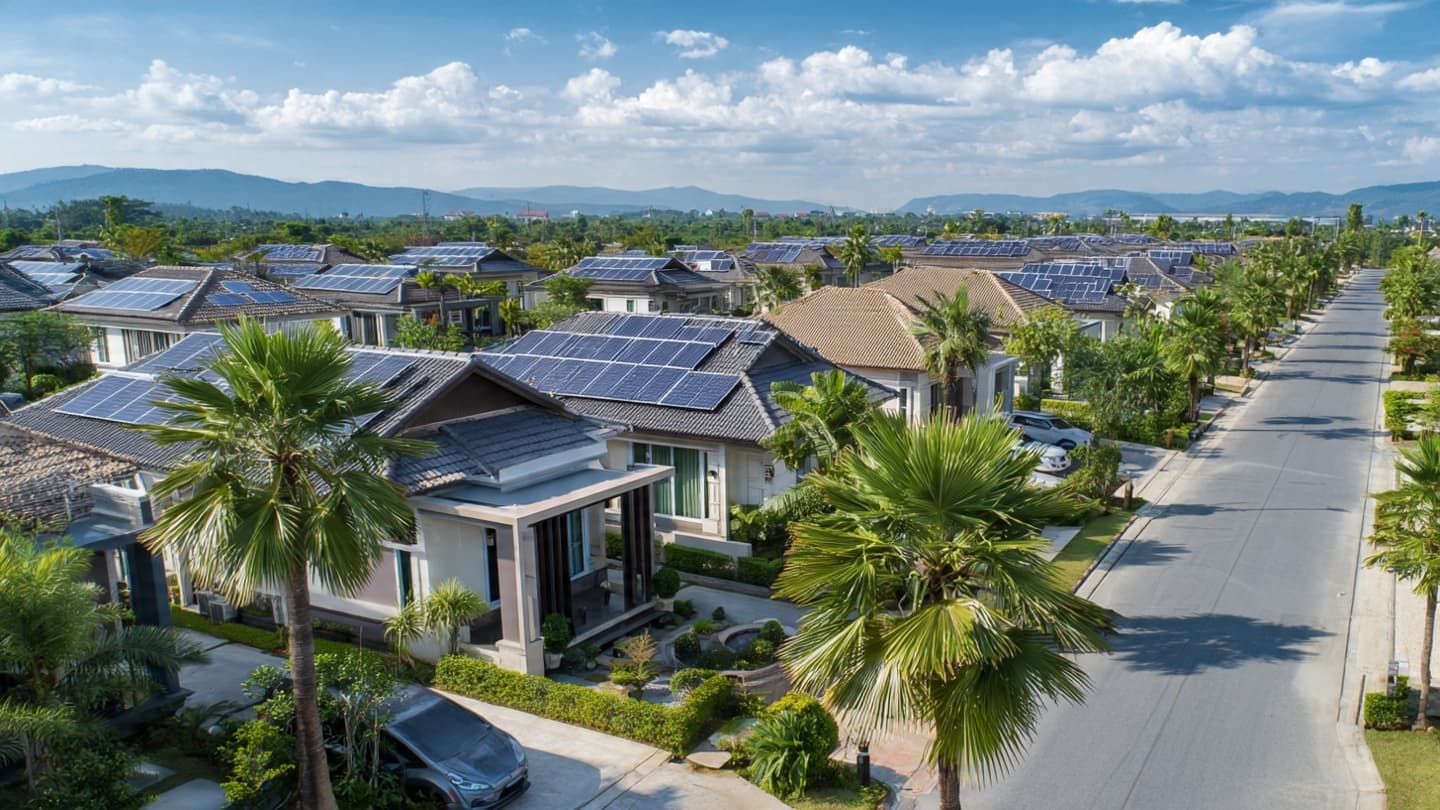
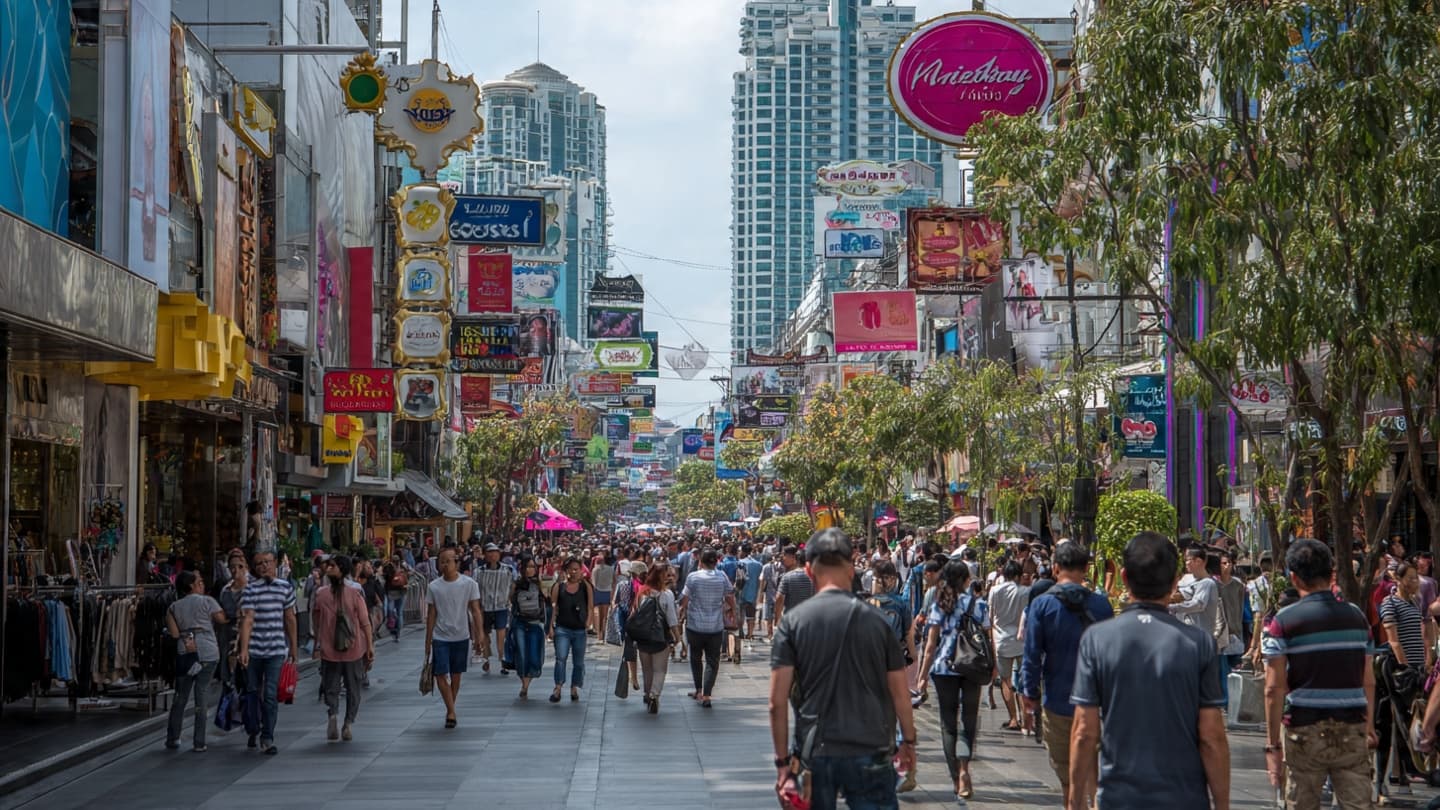
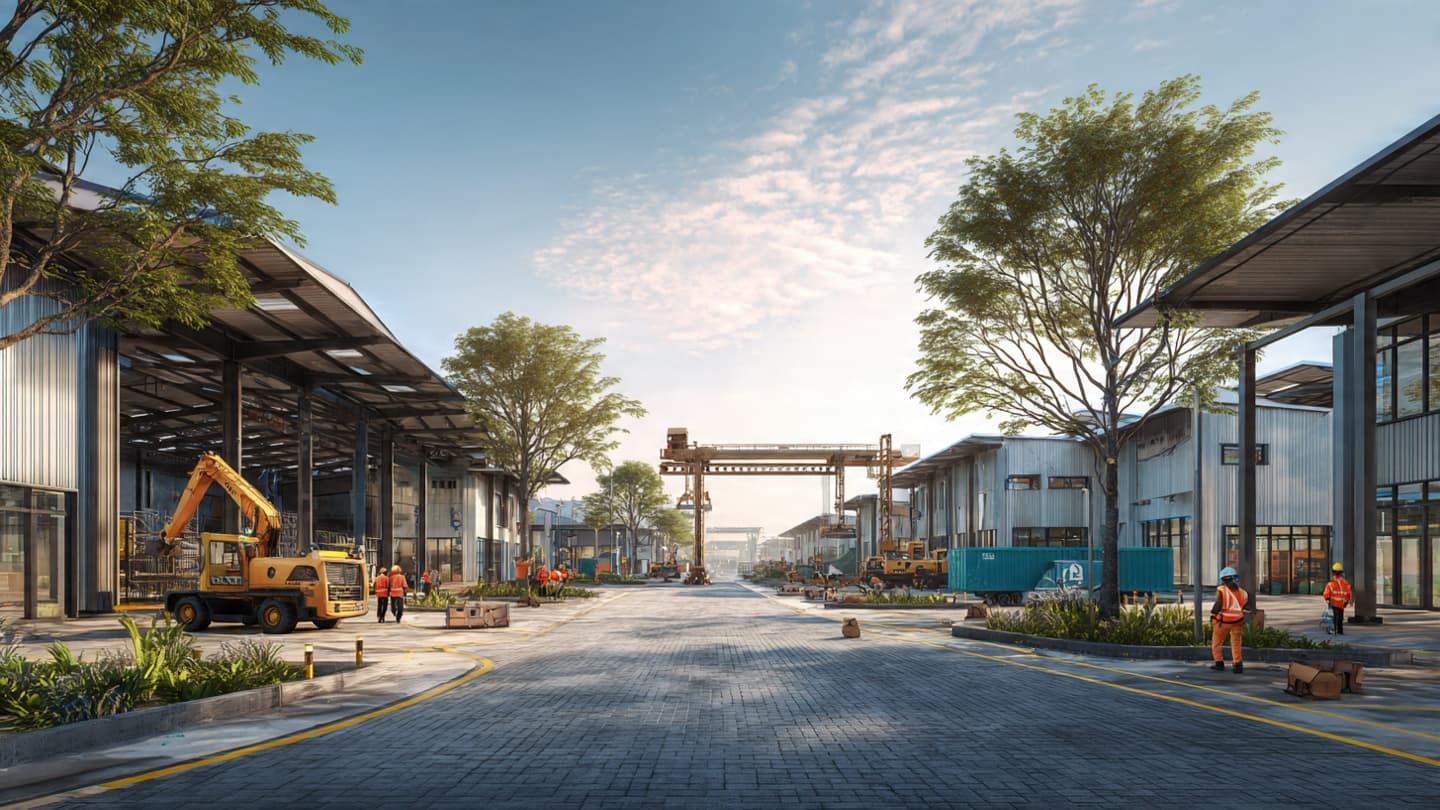
AI Image Disclaimer AI tools were used to create these illustrations for conceptual purposes; the scenes are not intended to portray real investment projects or photographs.
Sources The Star Malaysian Investment Development Authority
Published by Banx Network. This article is part of the Banx decentralized media programme, powered by the BXE token on the XRP Ledger.