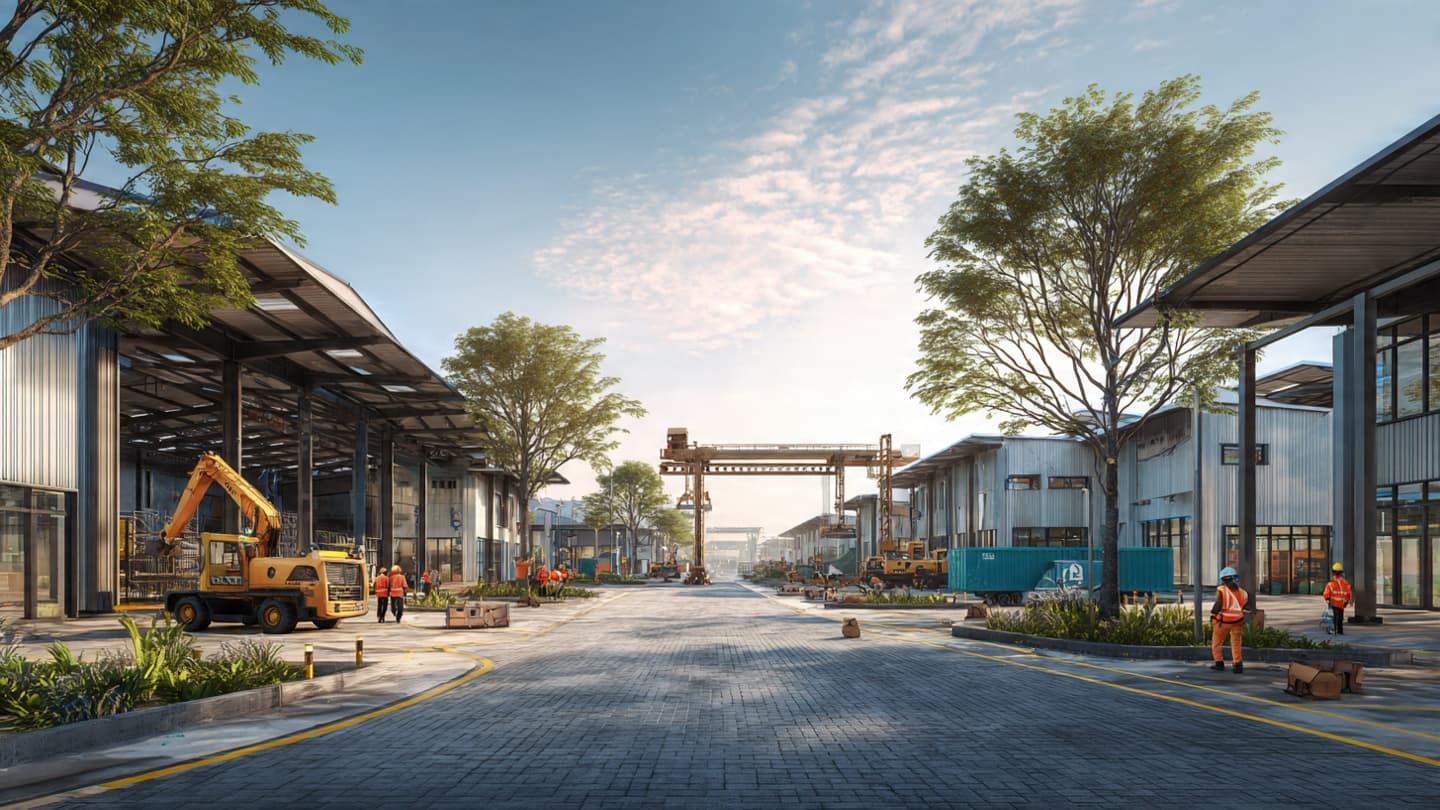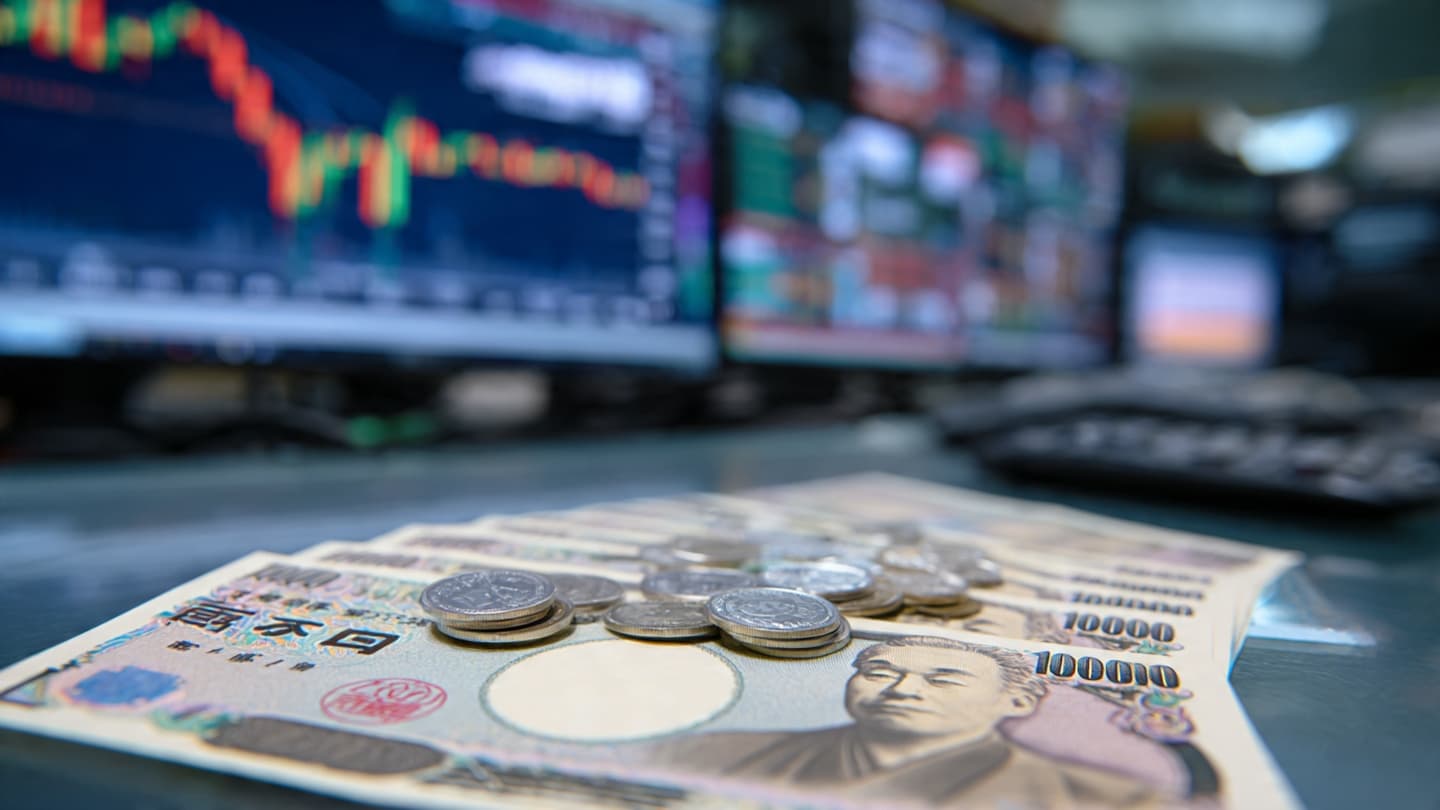
Corporate investment often reveals what companies believe about the future before those expectations become visible in economic statistics. In Japan, that signal has remained relatively steady. Businesses continue to commit resources to machinery, equipment, technology, and production capacity even as the global economy moves through a period of uncertainty.
Japanese companies have accelerated capital investment as corporate profits demonstrate greater resilience, according to recent economic data reported by Reuters. The development has helped support expectations that business spending can remain an important source of economic activity.
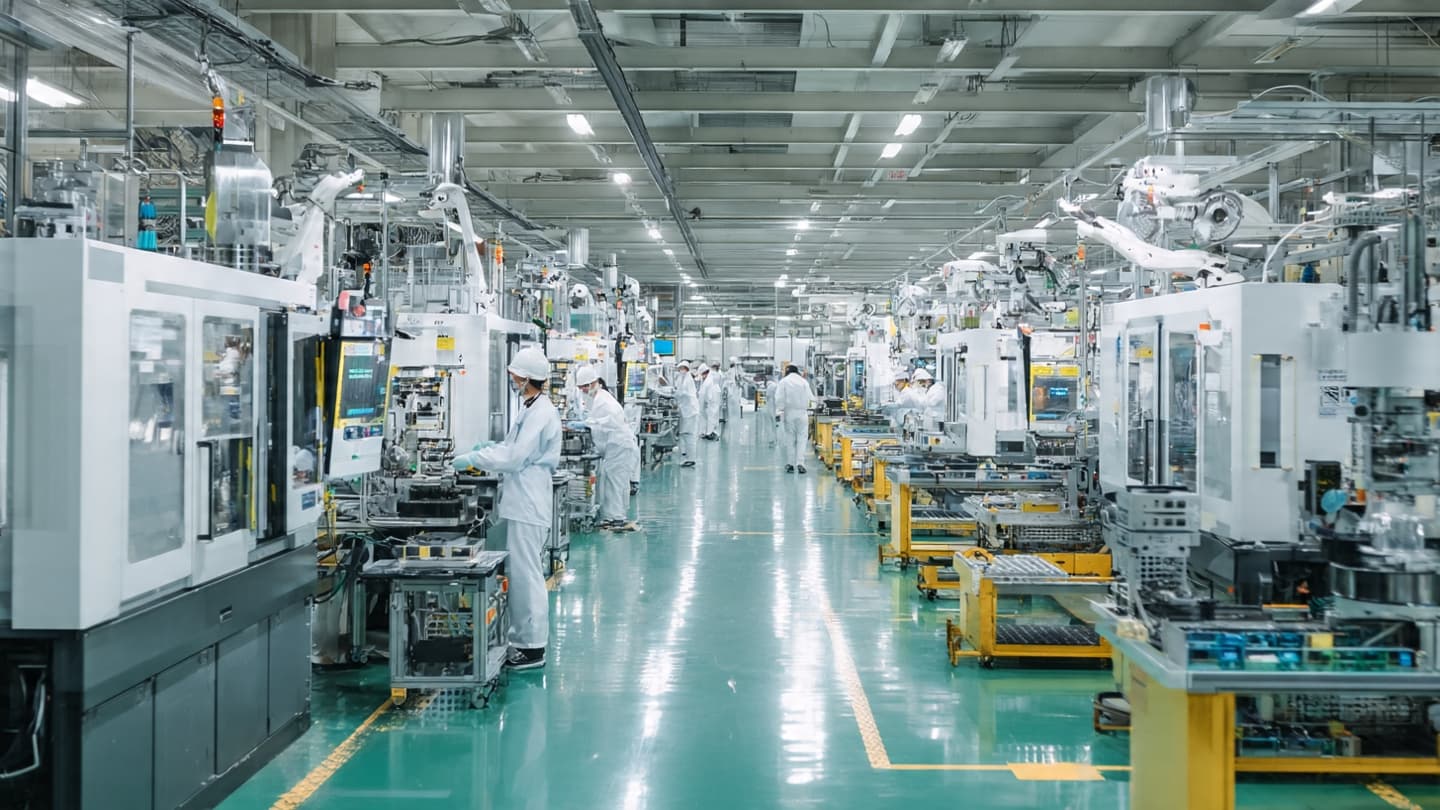
Investment decisions are particularly significant in Japan because the country has a large and highly developed manufacturing base. Companies regularly spend on sophisticated machinery, robotics, production systems, research, and technology to maintain competitiveness in both domestic and international markets.
The semiconductor and artificial intelligence cycle has added another reason for businesses to invest. Growing demand for advanced computing has encouraged companies throughout the technology supply chain to expand production capabilities and upgrade equipment.
This investment does not necessarily move in a straight line. Companies often make decisions based on expected demand several years ahead, while external conditions can change quickly. Higher energy costs, currency movements, trade uncertainty, and shifts in overseas markets can all influence whether planned projects move forward.
Recent data nevertheless suggests that corporate finances have provided a relatively firm foundation. Japan’s second-quarter GDP was revised higher after capital expenditure performed better than initially estimated, giving another indication that businesses have remained willing to spend.
The contrast with household consumption is notable. While companies continue to invest, household spending has weakened significantly. The different trajectories suggest that Japan’s economy is currently being driven by several forces moving at different speeds.
For manufacturers, investment can also be a response to structural changes rather than simply short-term demand. Labor shortages and an aging population have encouraged companies to consider automation and productivity-enhancing technologies. Robotics and advanced production systems can help businesses maintain output while facing demographic constraints.
Technology investment may therefore become increasingly intertwined with Japan’s longer-term economic strategy. Spending on automation, digital systems, artificial intelligence, and advanced machinery can support productivity while also creating new industrial capabilities.
The latest investment trend offers a relatively quiet but important signal. Japan’s companies are still committing capital to the machinery and technologies they expect to need in the years ahead. Whether those investments generate stronger growth will depend on demand, productivity, and global conditions, but for now the corporate sector continues to look toward the future rather than simply responding to the present.
AI Image Disclaimer These illustrations were created with AI for conceptual purposes and do not depict specific Japanese companies or actual corporate investment projects.
Sources Reuters CNA
Published by Banx Network. This article is part of the Banx decentralized media programme, powered by the BXE token on the XRP Ledger.