History is a landscape that nations must navigate with care, where every step can echo across borders and generations. In Japan, the 81st anniversary of the end of World War II arrived with a familiar tension surrounding the Yasukuni Shrine, a site that honors the war dead but also enshrines convicted war criminals. Prime Minister Sanae Takaichi chose not to visit the shrine in person, a decision that invites reflection on the delicate balance between domestic political identity and international diplomatic harmony. It is a moment where restraint speaks as loudly as action.
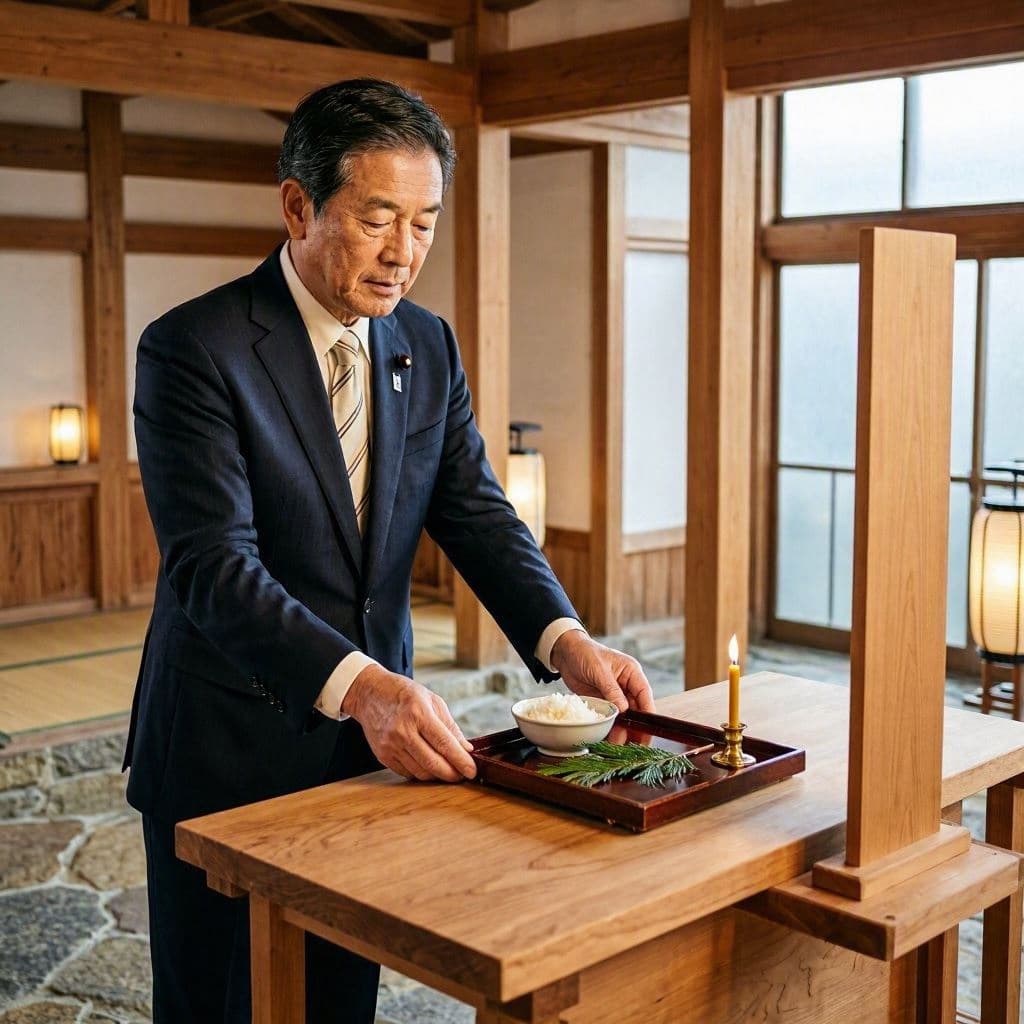
The Yasukuni Shrine has long been a flashpoint in relations with China and South Korea, who view visits by Japanese leaders as a sign of unrepentant militarism. By staying away, Takaichi avoided a direct confrontation, though she sent a ritual offering, maintaining a symbolic connection without the physical presence. Symbolism bridges gaps. Presence provokes debate.
Takaichi’s address at the national memorial service struck a conservative tone, focusing on peace and the sacrifices of the past without the explicit expressions of remorse that some neighbors seek. Her words emphasized Japan’s commitment to a peaceful future, aiming to honor the dead while looking forward. Memory honors sacrifice. Future seeks peace.
Defense Minister Shinjiro Koizumi did visit the shrine, highlighting the divided approaches within the government. His presence satisfied conservative constituents who value traditional observances, even as the Prime Minister opted for a more cautious path. Tradition holds weight. Caution ensures stability.
For the families of the war dead, the day is one of personal mourning and remembrance, largely detached from the geopolitical storms that swirl around the shrine. Their grief is private, their memory enduring, regardless of political posturing. Grief is personal. Memory is eternal.
International reactions were muted but watchful, with neighboring countries noting the absence of a high-profile visit as a positive, if tentative, step. The hope is that such gestures contribute to a gradual thawing of historical tensions. Gesture builds trust. Time heals wounds.
Prime Minister Sanae Takaichi did not visit the Yasukuni Shrine on the 81st anniversary of Japan’s WWII surrender, opting instead to send a ritual offering. The decision reflects an effort to balance domestic traditions with regional diplomatic sensitivities. The hope is for continued dialogue and improved relations with neighboring countries.
AI Image Disclaimer: The visual elements accompanying this report are AI-generated interpretations designed to reflect the political and historical context of the story.
Sources: The Washington Post Japan Times Reuters Associated Press
Published by Banx Network. This article is part of the Banx decentralized media programme, powered by the BXE token on the XRP Ledger.