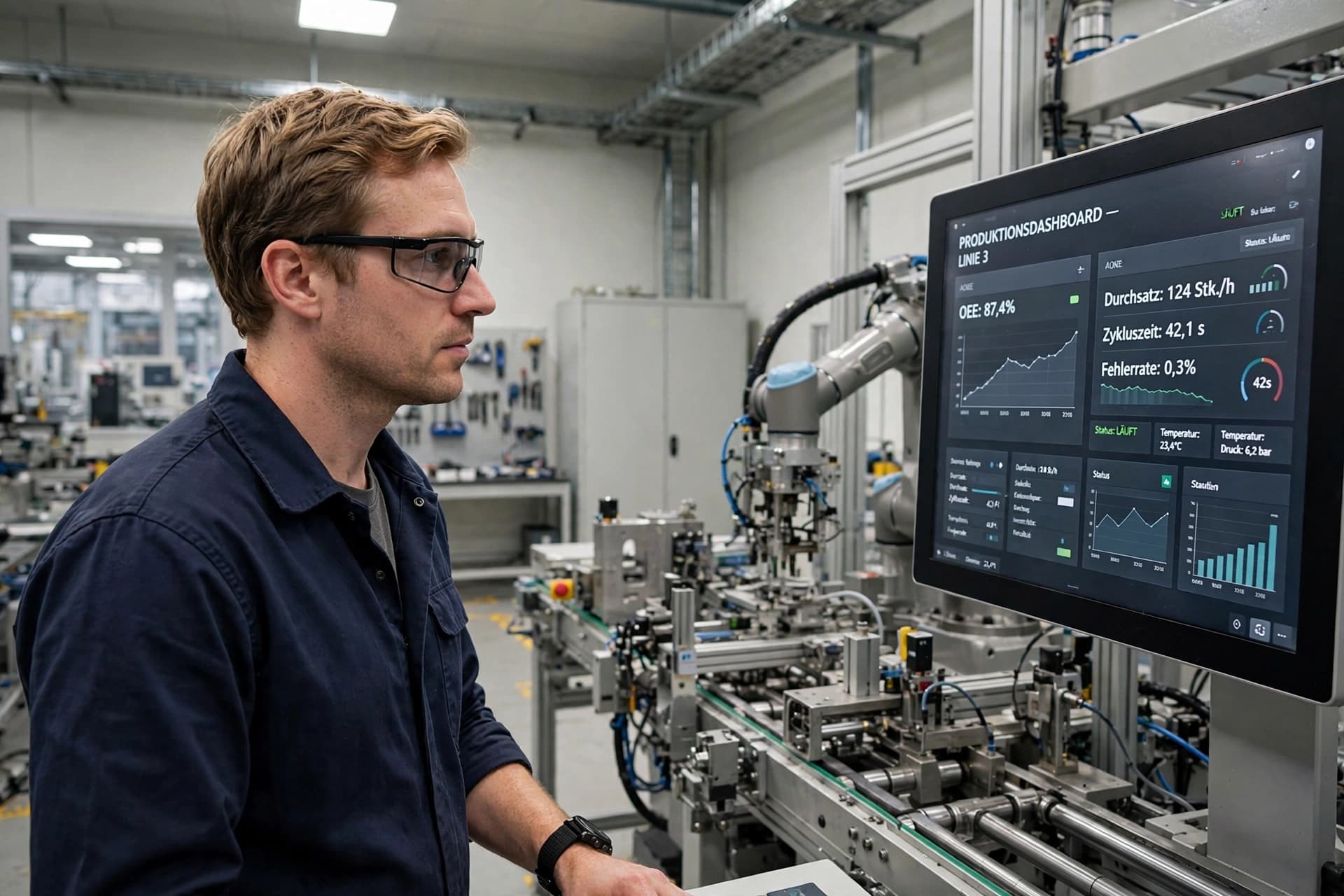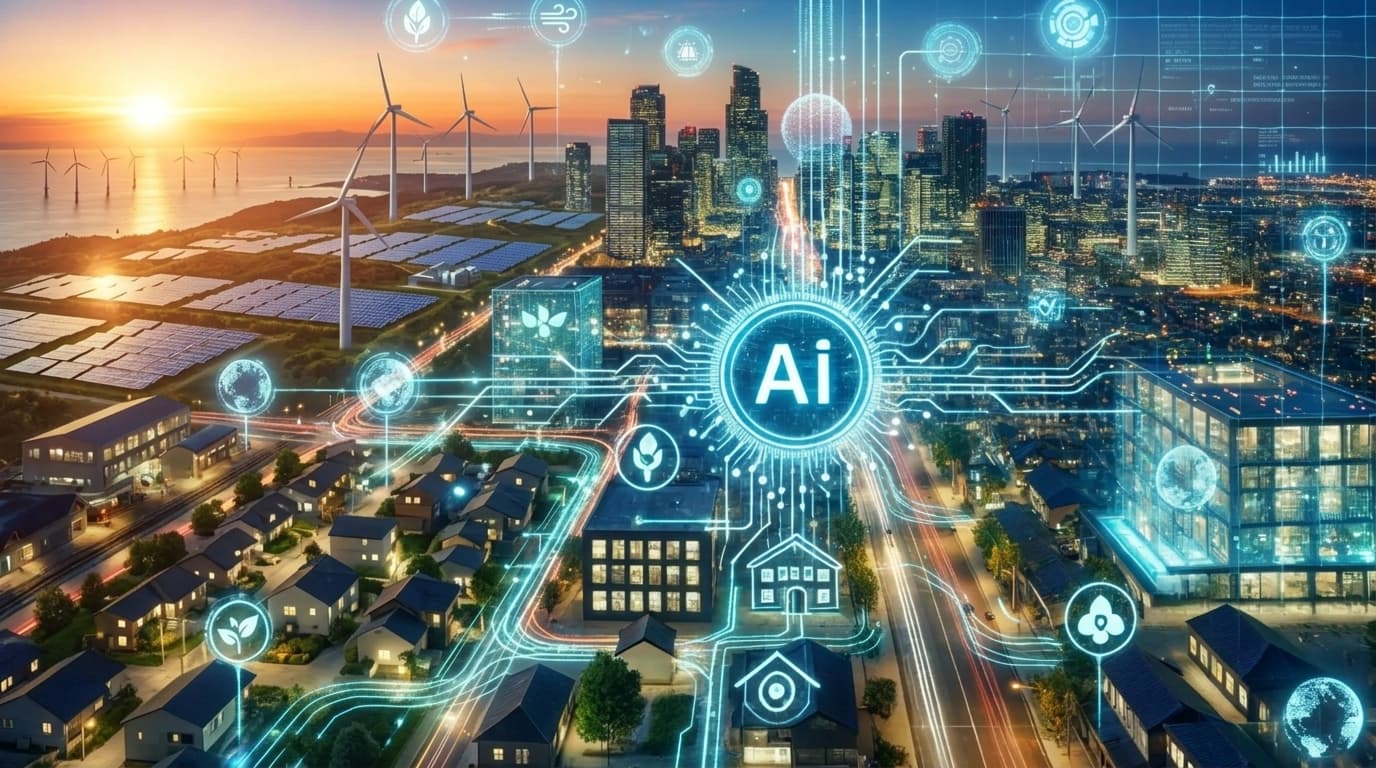
In the digital age, data is the new currency, and its storage requires vast physical spaces. In Chicago, a surge in data center construction is reshaping neighborhoods and sparking debate over energy use and community impact. These facilities, essential for cloud computing and artificial intelligence, are becoming prominent features of the urban landscape. This trend invites reflection on the hidden infrastructure of our connected world and the trade-offs involved in technological progress. It is a moment where silicon meets concrete, and innovation meets regulation.
Data centers are being built in areas like Fulton Market and the South Side, drawn by the city’s robust fiber optic network and strategic location. For tech giants, Chicago offers a central hub for distributing data across the country. Location drives efficiency. Connectivity enables speed.
However, these facilities consume enormous amounts of electricity and water for cooling, raising environmental concerns. Residents worry about the strain on local resources and the potential for increased utility costs. Power has a price. Cooling needs water.
Community groups are calling for greater transparency and stricter zoning laws to ensure that development benefits everyone. They argue that while technology is vital, it should not come at the expense of local quality of life. Progress should be inclusive. Voice matters in planning.
City officials are working to balance economic growth with sustainability goals, exploring incentives for green energy use in new constructions. The goal is to make Chicago a leader in both tech and environmental stewardship. Balance guides policy. Innovation aids sustainability.
As more projects are approved, the dialogue between developers, residents, and policymakers continues. The outcome will shape Chicago’s future as a tech hub and a livable city. Dialogue builds consensus. Future is shared.
Chicago is experiencing a boom in data center construction, driven by demand for cloud services and AI. While beneficial for the economy, the projects have sparked controversy over energy consumption and community impact. The hope is for sustainable development and balanced urban planning.
AI Image Disclaimer: The images provided are AI-generated to visually represent the technological and urban aspects of the story.
Sources: Crain’s Chicago Business Chicago Tribune Block Club Chicago
Published by Banx Network. This article is part of the Banx decentralized media programme, powered by the BXE token on the XRP Ledger.