DECENTRALIZED MEDIA IS LIVE POWERED BY
Banx Media Platform logo
SCIENCEClimateMedicine ResearchPhysicsHappening NowFeatured

September 2026 Was the Second-Warmest on Record, With Global Temperatures Above 1.5°C for a Second Month

Copernicus recorded September at 1.63°C above pre-industrial levels, as developing El Niño conditions raise concerns about continued exceptional warmth.

J

Janette Mike

EXPERIENCED
1 min read
2 Views
September 2026 Was the Second-Warmest on Record, With Global Temperatures Above 1.5°C for a Second Month

September 2026 was the second-warmest September in the ERA5 global dataset, with an average surface air temperature of 16.27°C—0.82°C above the 1991–2020 average. It was 1.63°C above the estimated pre-industrial level, marking the second consecutive month above 1.5°C. The monthly threshold is not the same as breaching the Paris Agreement’s long-term warming limit. Copernicus says intensifying El Niño conditions could keep temperatures unusually high into 2027. September was also Europe’s third-warmest on record and western Europe’s joint-warmest.

Published by Banx Network. This article is part of the Banx decentralized media programme, powered by the BXE token on the XRP Ledger.

Decentralized Media

Powered by the XRP Ledger & BXE Token

This article is part of the XRP Ledger decentralized media ecosystem. Become an author, publish original content, and earn rewards through the BXE token.

Newsletter

Stay ahead of the news — and win free BXE every week

Subscribe for the latest news headlines and get automatically entered into our weekly BXE token giveaway.

No spam. Unsubscribe anytime.

Share this story

Help others stay informed about crypto news

Related articles

Keep exploring the latest stories.

View more
The Crimson Pairs That May Reshape Our Understanding of Black Holes

The Crimson Pairs That May Reshape Our Understanding of Black Holes

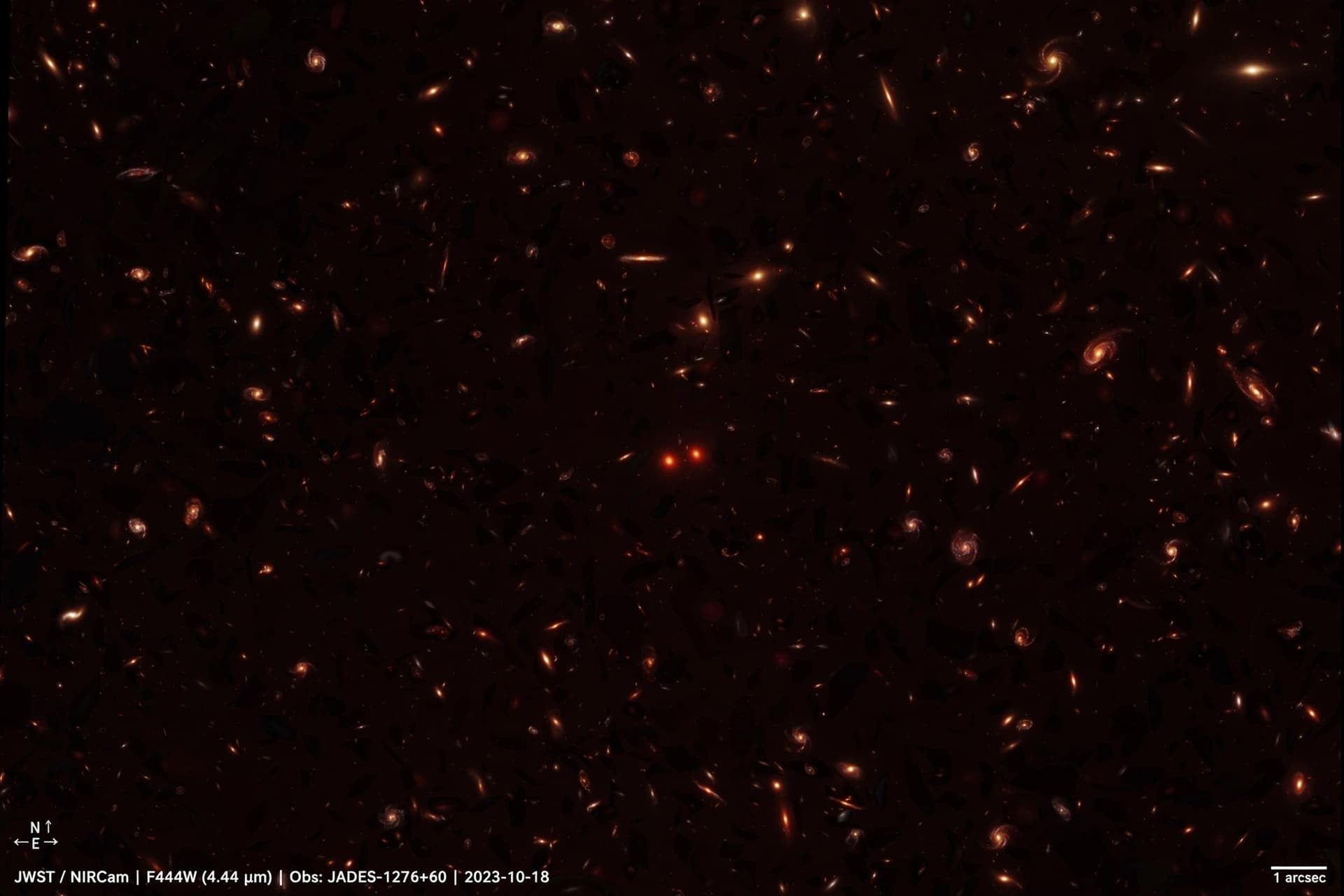
Astronomers using a new pixel-level technique have found four pairs of "Little Red Dots" in the early universe, possibly indicating supermassive black holes on…

A Summer of Living Hell: How LA Lost Its Outdoors

A Summer of Living Hell: How LA Lost Its Outdoors

Los Angeles is enduring its worst mosquito season in years, driven by heat and humidity, with West Nile virus cases at a decade high and invasive Aedes mosquit…

What Four Astronauts Saw, Now Yours to Explore

What Four Astronauts Saw, Now Yours to Explore

NASA released over 800GB of Artemis II lunar data—11,000 images, 8.5 hours of audio, and crew notes—the first human-captured planetary dataset in over 50 years.