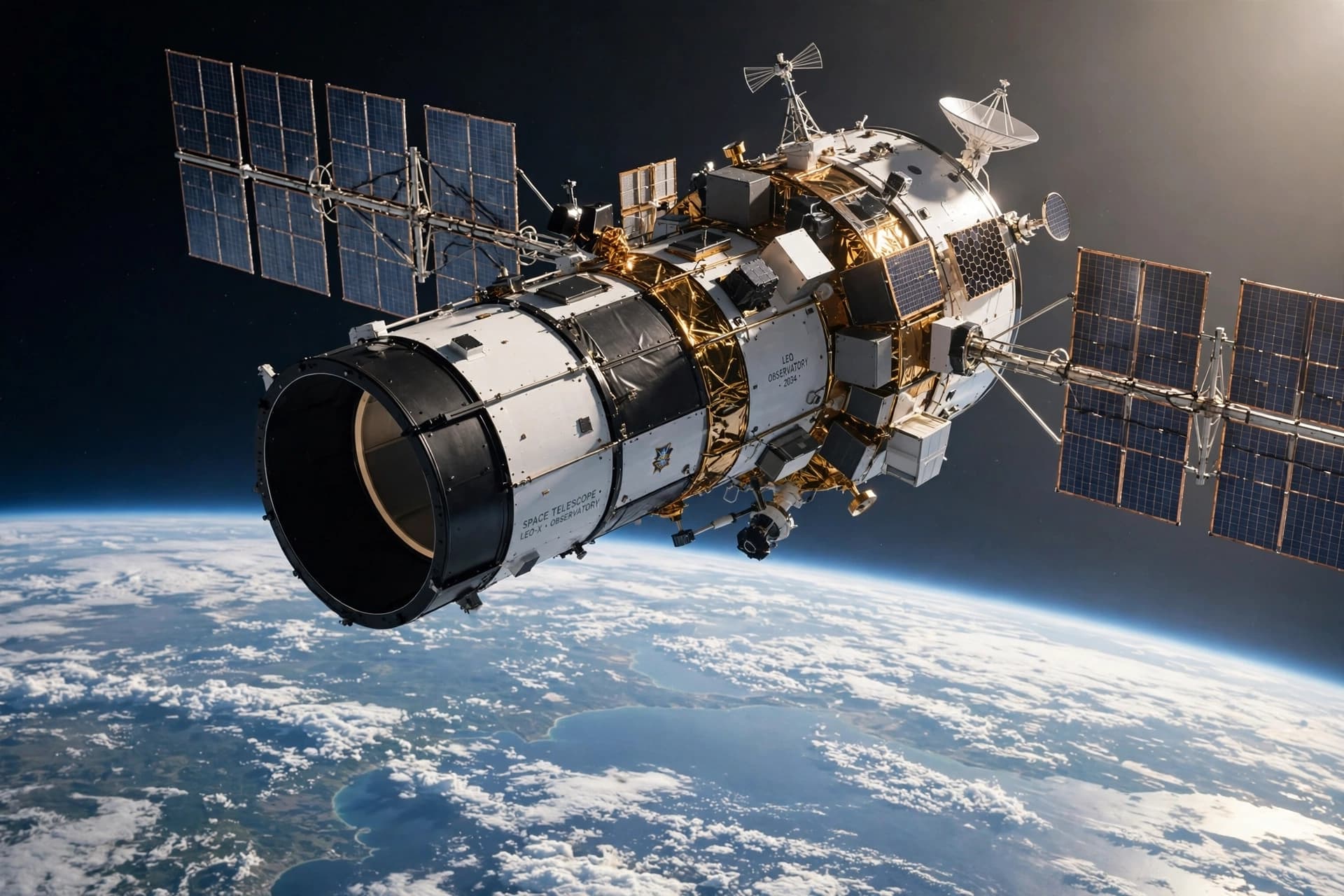
Somewhere above the noise of daily life, beyond borders and clocks, the Earth continues its slow, luminous turn. From that quiet distance, where sound disappears and motion feels eternal, a Polish astronaut lifted a camera and captured a moment that words struggle to hold.
Through the wide windows of the International Space Station, the Earth drifted beneath — oceans breathing in blue, clouds folding gently across continents — while the Moon appeared nearby, pale and patient, sharing the same frame. It was not staged. Not hurried. Just space, unfolding as it always has, witnessed by human eyes.
The footage was recorded by a Polish astronaut during his mission aboard the ISS, offering a rare perspective where Earth and its lunar companion coexist in silent harmony. From orbit, the planet reveals itself not as geography or politics, but as movement — light sliding across curvature, night replacing day, storms blooming and fading without drama.
What makes the images so arresting is their simplicity. There is no narration demanding attention, no soundtrack guiding emotion. The beauty emerges naturally, as if space itself is doing the speaking. Earth appears fragile yet resilient, vibrant yet fleeting, suspended alone in an immense dark.
For Poland, the moment carries quiet historical weight. The astronaut’s presence aboard the ISS marks a milestone in the country’s growing participation in international space exploration. Yet the footage reaches far beyond national pride. It belongs to anyone who has ever looked up and wondered what our world looks like when seen whole.
From orbit, boundaries vanish. Cities dissolve into faint glimmers. Conflicts are invisible. What remains is a shared home, rotating endlessly beneath a thin veil of atmosphere — delicate enough to glow, thin enough to remind us how little separates life from the void.
The Moon’s appearance beside Earth adds a deeper stillness. It does not move quickly. It does not demand attention. It simply accompanies, as it has for billions of years, a silent witness to every chapter of human history.
For viewers on the ground, the footage offers something rare in a fast world: pause. A moment to breathe. A reminder that beauty does not always announce itself loudly — sometimes it floats quietly past a window in space.
And for a few minutes, watching Earth turn from above, it becomes easier to remember how extraordinary it is that we are here at all.
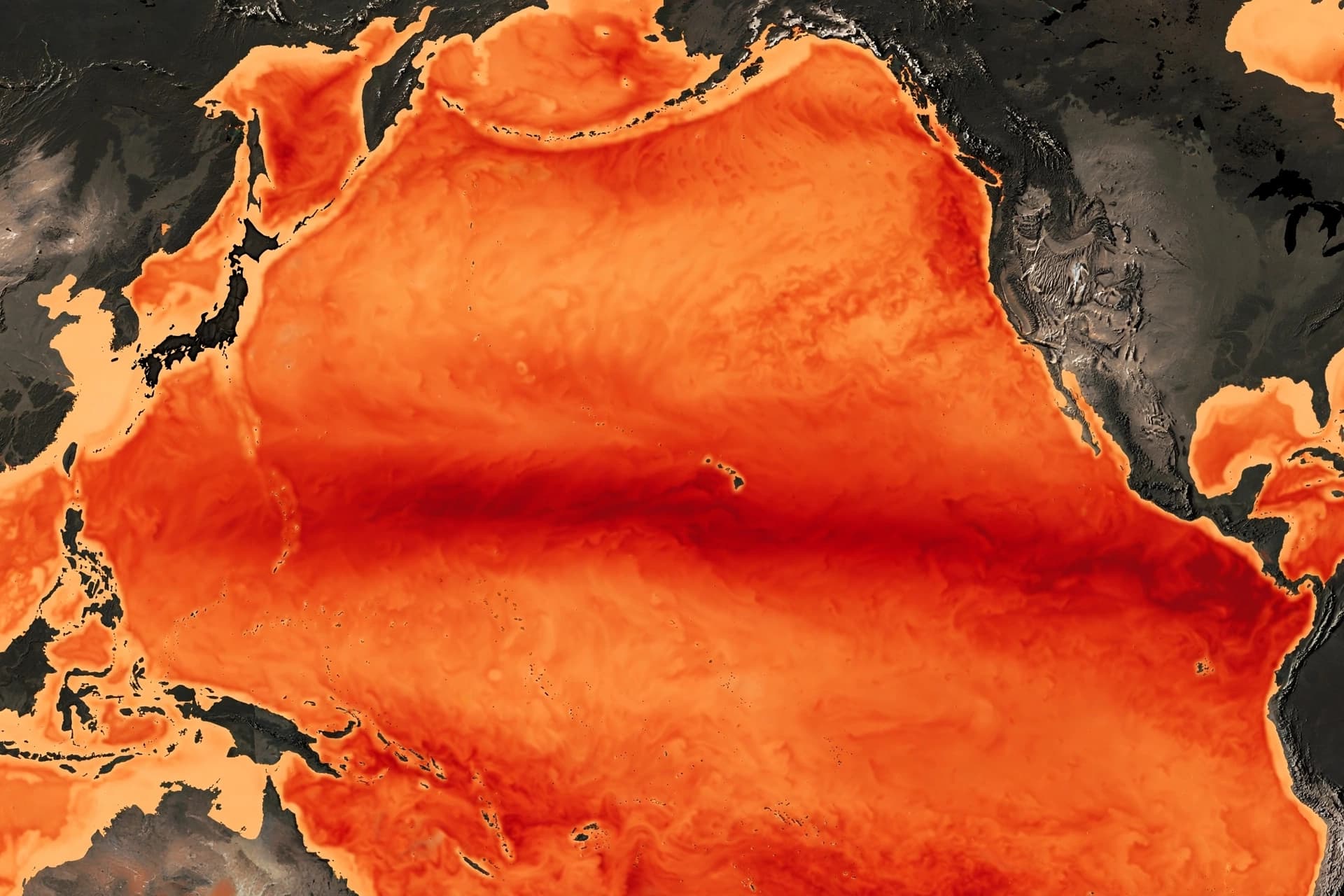
AI IMAGE DISCLAIMER Illustrations were produced with AI and serve as conceptual depictions.
SOURCES European Space Agency NASA BBC News (Science) The Guardian (Science) Polish Space Agency communications
Published by Banx Network. This article is part of the Banx decentralized media programme, powered by the BXE token on the XRP Ledger.