In the Bordeaux metropolitan area, waiting has become part of the medical journey. For many residents, the simple act of seeking a dermatologist now begins not with an appointment, but with patience. The shortage of specialists has stretched calendars thin, turning weeks into months and routine concerns into lingering questions. Like a quiet undertow beneath daily life, the absence is felt most when care is needed and time feels less generous.
Yet even within scarcity, paths still exist. Patients navigate a landscape shaped by adaptation rather than abundance. General practitioners have become gatekeepers and guides, offering first evaluations and directing cases that truly require specialized attention. Teleconsultations, once considered optional, now function as bridges, allowing initial assessments without geographical constraint. For certain conditions, digital platforms provide reassurance, prescriptions, or timely referrals when urgency becomes clear.
Hospital dermatology departments remain another point of passage, particularly for complex or high-risk cases. While access is often reserved for medically justified situations, these services form a quiet backbone of continuity. Some patients find answers through neighboring towns, accepting longer travel in exchange for shorter waits. Others rely on cancellation lists, where persistence occasionally opens an unexpected door.
The shortage has reshaped expectations as much as logistics. Consulting a dermatologist is no longer a single step, but a sequence of decisions, substitutions, and adjustments. Pharmacies, nurses, and primary care providers now play expanded roles, offering guidance where specialization is delayed. In this shared effort, the healthcare system stretches itself to meet demand without promising immediacy.
For professionals, the strain is visible but measured. Dermatologists work within full schedules, balancing follow-ups with new cases, aware that behind each request lies concern rather than impatience. Public health authorities continue to explore incentives and long-term solutions, though their impact remains gradual. In the meantime, residents learn to navigate care through flexibility rather than certainty.
Access, in this context, becomes less about speed and more about continuity. The path to a dermatologist in Bordeaux may be indirect, but it is rarely closed entirely. With coordination, persistence, and evolving tools, care still finds its way — slowly, deliberately, and often through unexpected routes.
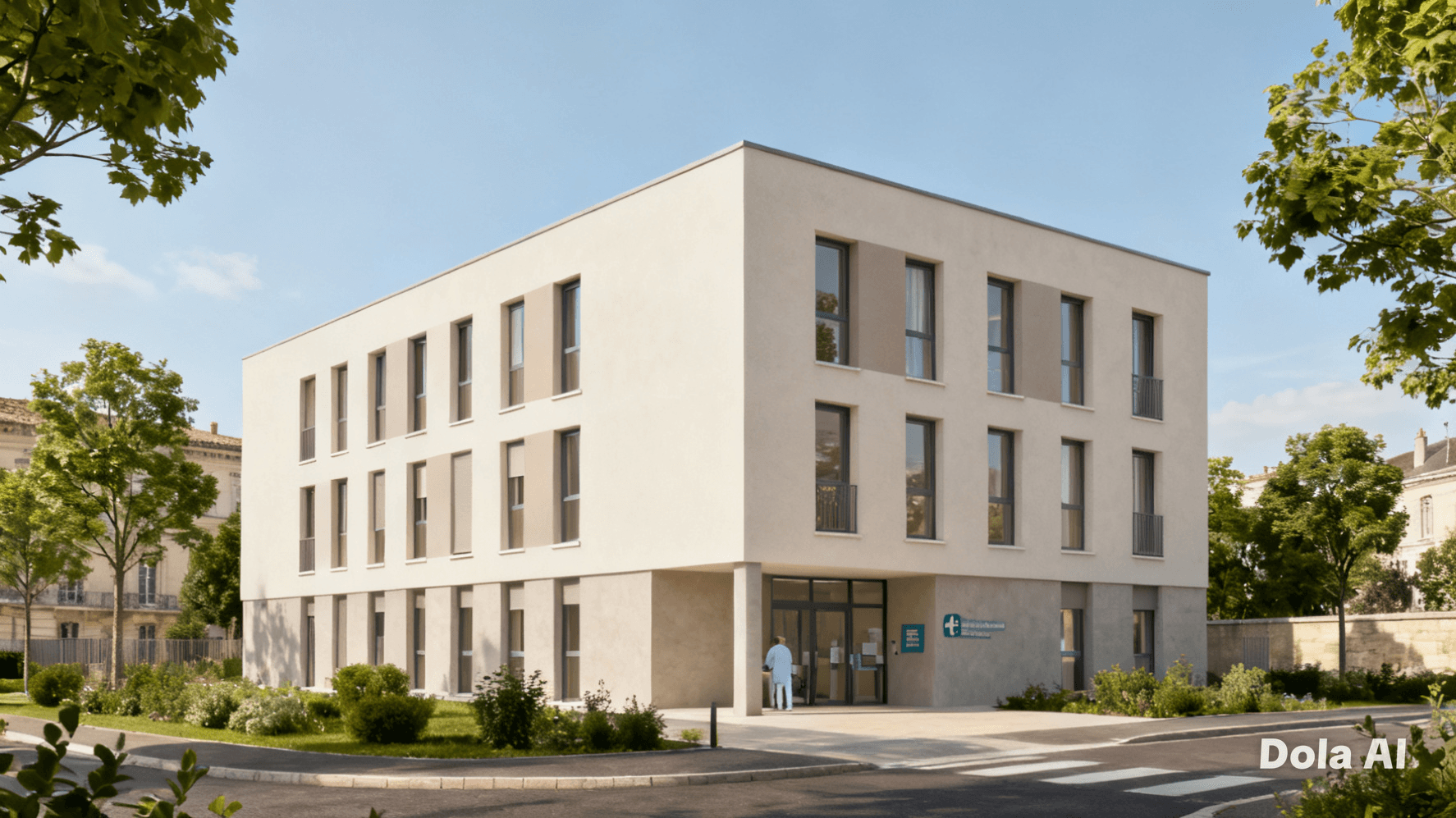
AI Image Disclaimer Visuals accompanying this article are AI-generated illustrations intended for conceptual representation and do not depict real scenes.
Sources : Sud Ouest Ouest-France France 3 Nouvelle-Aquitaine Le Figaro Connexion France
Published by Banx Network. This article is part of the Banx decentralized media programme, powered by the BXE token on the XRP Ledger.