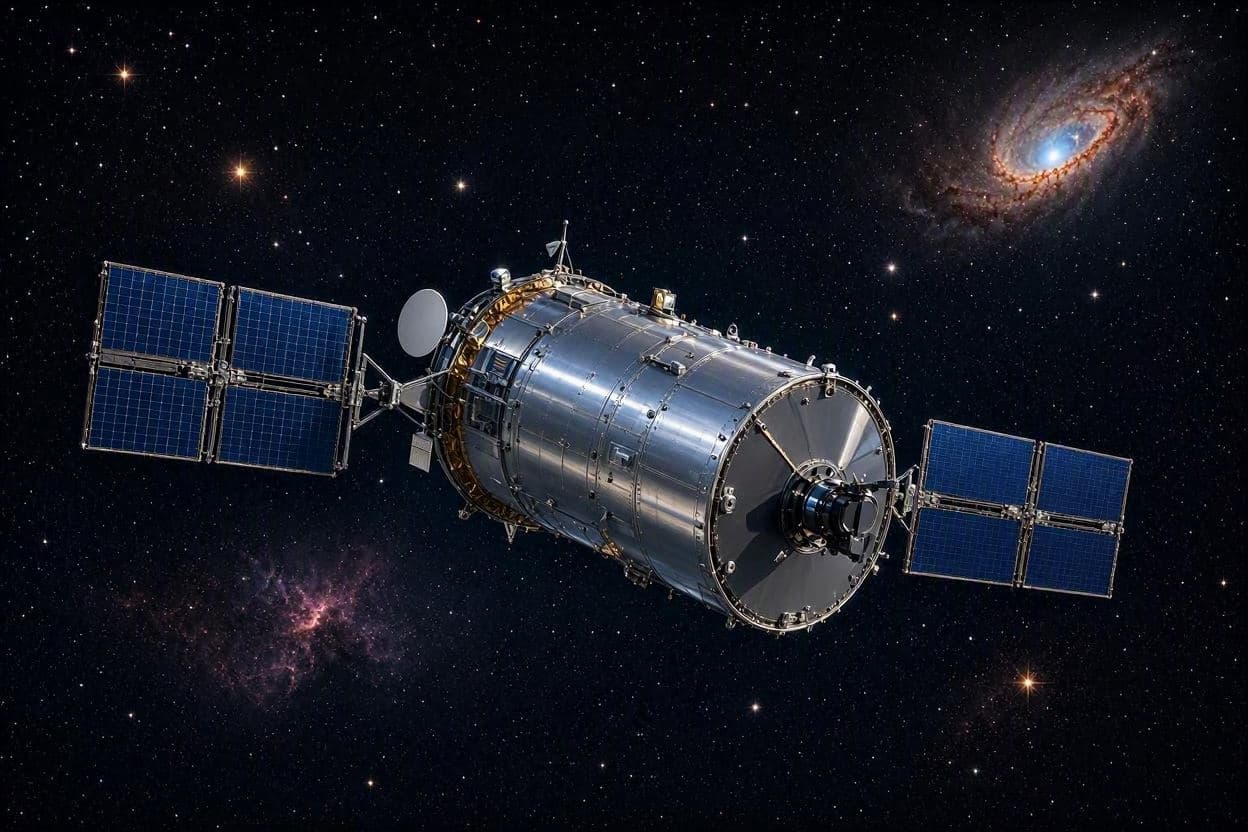
Looking up at the night sky has always inspired wonder, but seeing it with new eyes changes everything. The Nancy Grace Roman Space Telescope, NASA’s latest flagship observatory, has begun its scientific operations, promising to revolutionize our understanding of the cosmos. With its wide field of view and advanced capabilities, Roman is set to uncover mysteries that have eluded astronomers for decades. It is a new chapter in the story of human exploration.
Unlike its predecessor, the Hubble Space Telescope, Roman is designed to survey large areas of the sky with unprecedented speed and precision. Its primary mission includes studying dark energy, the mysterious force accelerating the expansion of the universe, and exoplanets, worlds orbiting stars beyond our solar system. By capturing vast amounts of data, Roman will create a detailed map of the universe’s structure and evolution. This breadth of vision is its greatest strength.
The telescope’s coronagraph instrument is particularly noteworthy, capable of blocking out the light from distant stars to reveal faint planets nearby. This technology allows scientists to directly image exoplanets and analyze their atmospheres for signs of habitability. While previous missions have detected thousands of exoplanets indirectly, Roman aims to characterize them in greater detail. It brings us closer to answering the age-old question: Are we alone?
Dark energy remains one of the biggest puzzles in modern physics. Roman will measure the distribution of galaxies and supernovae over time, providing clues about how dark energy has influenced the universe’s growth. These observations will test existing theories and potentially lead to new breakthroughs in cosmology. The data collected could reshape our fundamental understanding of space and time. It is science at its most ambitious.
Collaboration with other observatories, such as the James Webb Space Telescope, will enhance Roman’s impact. While Webb focuses on deep, detailed views of specific objects, Roman provides the broader context. Together, they form a complementary pair, offering a more complete picture of the universe. This synergy exemplifies the power of integrated scientific efforts, maximizing the return on investment in space exploration.
The engineering behind Roman is a marvel of modern technology. Its lightweight mirror and sophisticated detectors were built to withstand the harsh conditions of space while delivering high-quality images. Years of testing and refinement have ensured its reliability, giving scientists confidence in the data it will produce. The success of the mission is a tribute to the dedication of engineers and scientists worldwide.
Public engagement is also a key component of the mission. NASA plans to release stunning images and data sets to the public, inspiring the next generation of astronomers and enthusiasts. The beauty of the cosmos is not just for scientists; it belongs to everyone. Roman’s discoveries will likely become part of our cultural heritage, shaping how we see our place in the universe.
As Roman begins its survey, the astronomical community awaits the first major findings with anticipation. The telescope is expected to operate for at least five years, providing a wealth of data that will keep researchers busy for decades. The era of wide-field space astronomy has officially arrived.
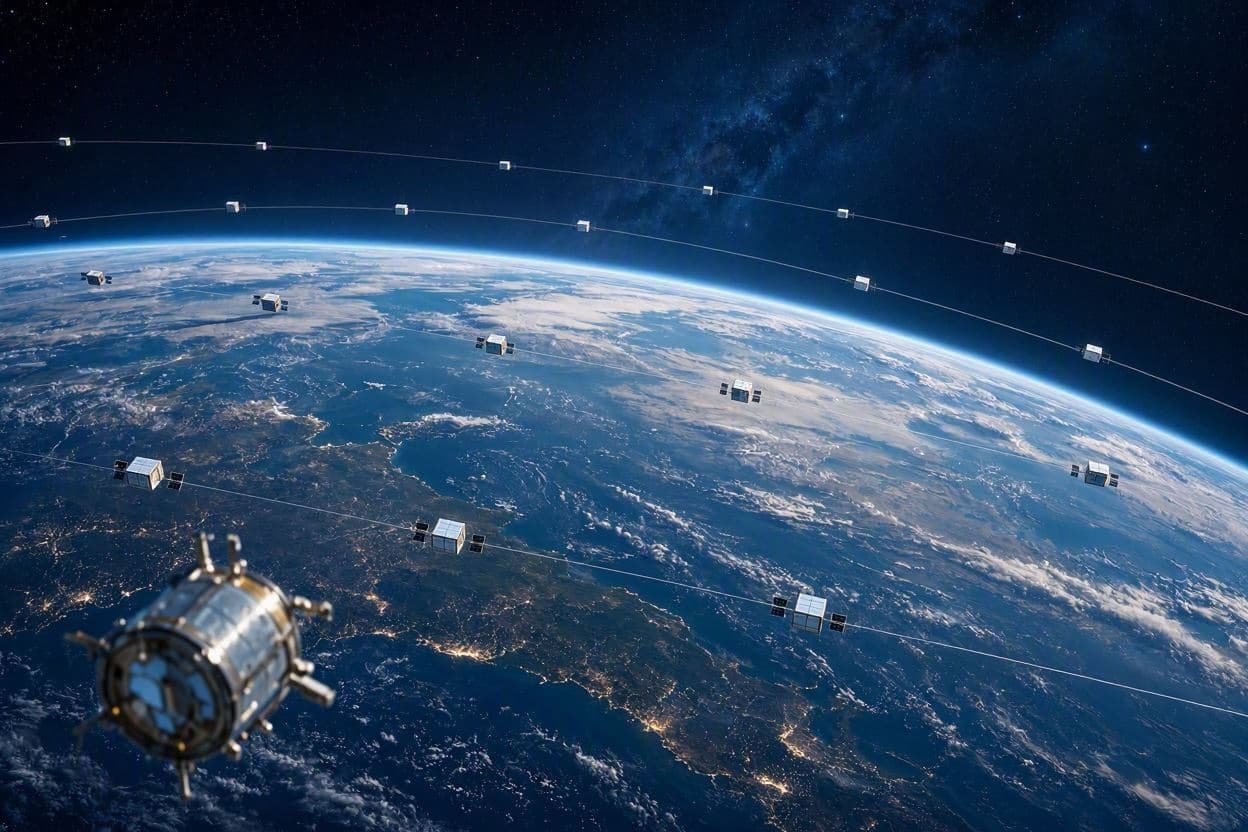
AI Image Disclaimer: Any images used in conjunction with this article are AI-generated simulations and do not represent actual photographic evidence from the scene.
Sources: NASA.gov Space.com Scientific American The New York Times
Published by Banx Network. This article is part of the Banx decentralized media programme, powered by the BXE token on the XRP Ledger.