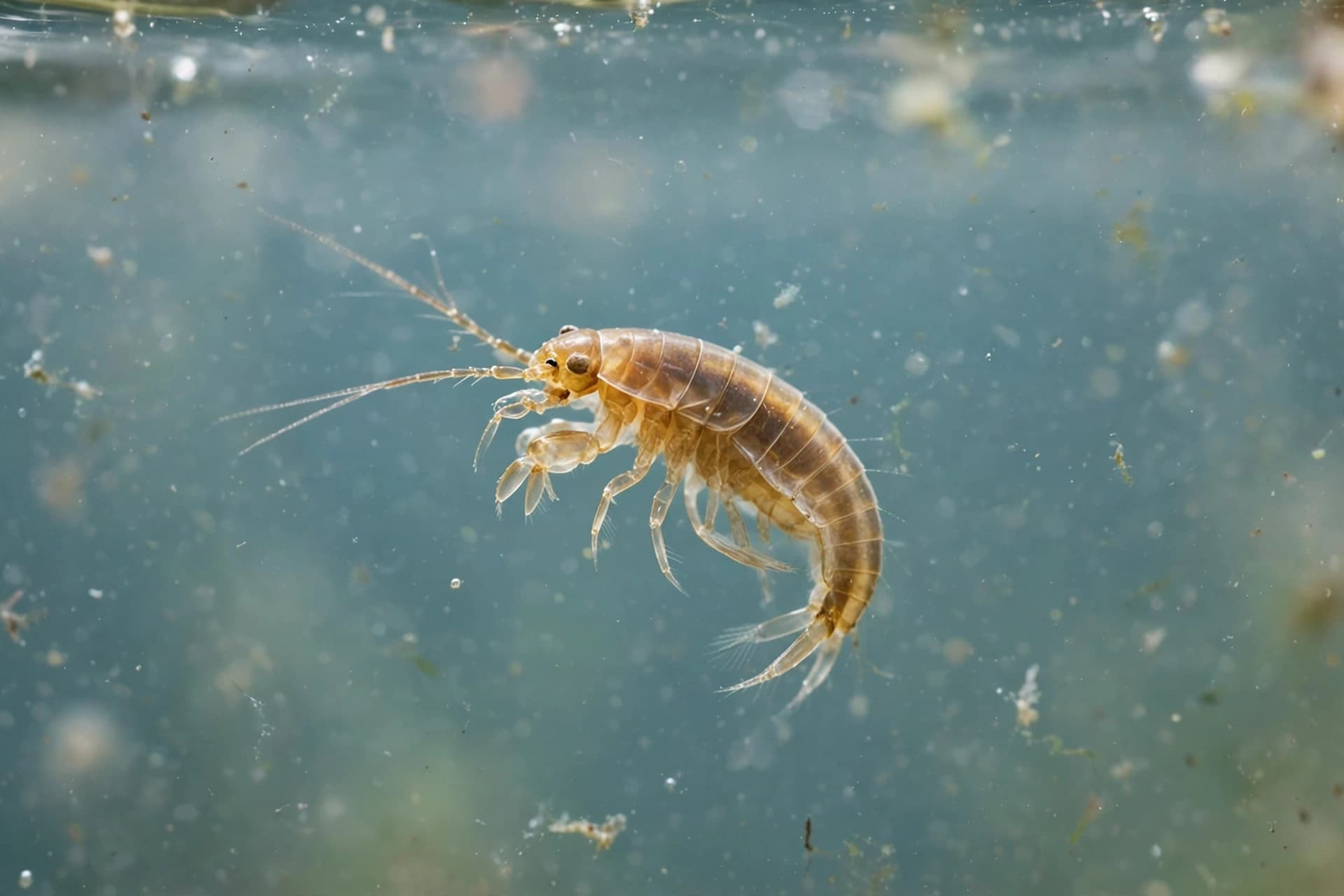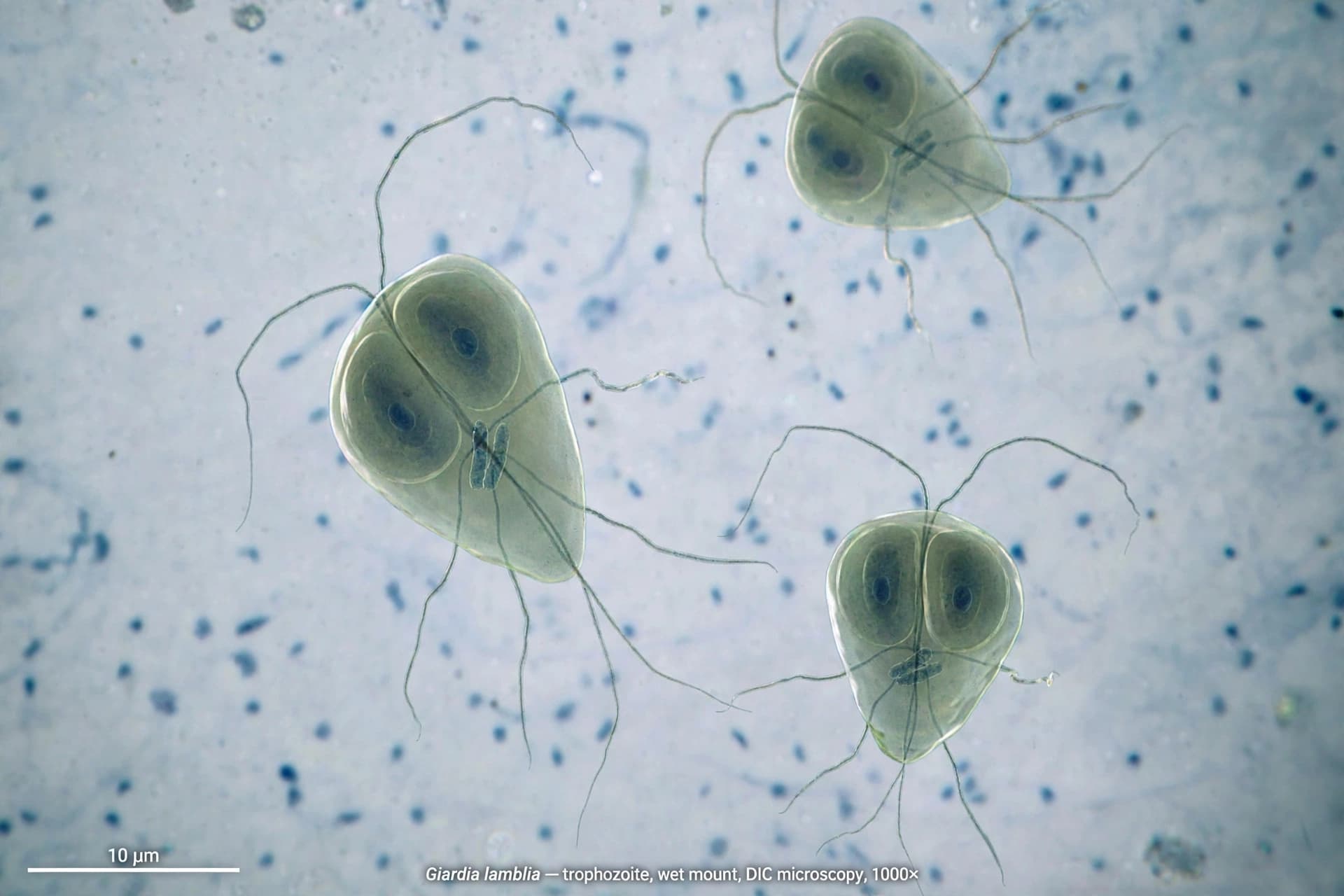
There is a particular kind of pestilence that has haunted schoolyards for generations—a microscopic parasite that lurks in soil, water, and the unwashed hands of children, causing a diarrheal illness that sends thousands to hospitals each year. For decades, it has been a stubborn, unglamorous scourge, rarely fatal but relentlessly disruptive. Now, researchers in Queensland have made a discovery that may finally turn the tide.
The parasite is Giardia duodenalis, one of the most common causes of waterborne diarrheal disease worldwide. It is particularly prevalent in children, and in Australia, it is a leading cause of gastrointestinal illness in childcare centers and schools . Current treatments—primarily nitro drugs like metronidazole—have been used for decades, and resistance is growing. Some patients suffer chronic infections that last for months.
The breakthrough came from researchers at Griffith University, who have identified a new drug target: an enzyme called nitroreductase, which the parasite relies on to survive when it is exposed to oxygen . By understanding how Giardia protects itself from oxidative stress, the team found a vulnerability that existing drugs have not exploited.
“This is a striking discovery because it identifies a completely new pathway that we can target,” said Professor Dean Wilkinson, who led the research. “The parasite has evolved a sophisticated system to defend itself, and we have found its Achilles’ heel” .
The team screened thousands of compounds against the enzyme and identified several that showed potent activity against Giardia in laboratory tests, including strains that are resistant to current treatments. The next step will be to refine these compounds and test them in animal models, with the hope of developing a new class of anti-Giardia drugs .
Giardiasis is not a disease that makes headlines. It does not kill in large numbers, and its victims are often children whose illness is dismissed as a stomach bug. But for the families of those children, and for the public health officials who track outbreaks in schools and childcare centers, the discovery represents something significant: the possibility of a treatment that works when the old ones fail.
The World Health Organization estimates that giardiasis affects more than 280 million people each year. In Australia, it is a notifiable disease, with thousands of cases reported annually. A new drug target—especially one that bypasses existing resistance mechanisms—could change how the disease is managed, both in Australia and globally .
For now, the research is still in its early stages. But the identification of a new vulnerability in a parasite that has long resisted our best efforts is a reminder that even the most familiar scourges can be overcome.
AI Image Disclaimer: The images accompanying this article are generated by artificial intelligence and are intended for illustrative purposes only.
Sources: Griffith University, Australian Journal of General Practice, World Health Organization
Published by Banx Network. This article is part of the Banx decentralized media programme, powered by the BXE token on the XRP Ledger.