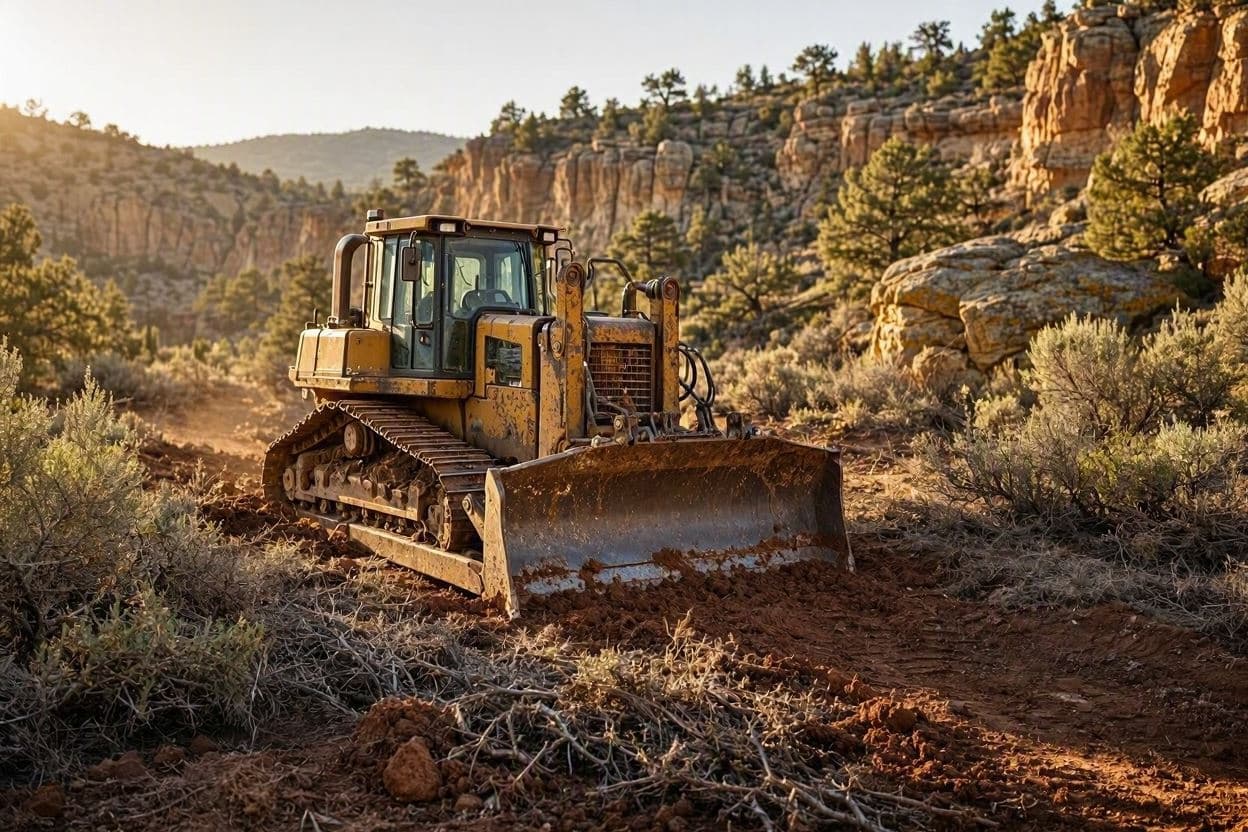
The Rio Grande winds through the rugged canyons of Big Bend National Park, a natural border that has long defined the landscape and the relationship between two nations. For years, the idea of fortifying this remote stretch with a towering wall seemed like a distant political fantasy, one that even its proponents eventually softened. Yet, as bulldozers now tear into the protected earth of Texas, the gap between rhetoric and reality has closed with a roar of engines. This development invites reflection on the persistence of policy and the tangible impact of political will on fragile ecosystems. It is a moment where the land bears the scars of debate.
Earlier assurances from Customs and Border Protection suggested that "limited" barriers would replace the once-proposed 30-foot steel structures, aiming to soothe environmental concerns. However, the arrival of heavy machinery signals a more aggressive approach to border security in one of America’s most cherished parks. Promises shift. Action remains.
Local activists and park visitors have watched in dismay as brush is cleared and ground is leveled near the famous Santa Elena Canyon. The visual transformation is stark, replacing native vegetation with piles of dirt and the tracks of construction vehicles. Nature yields to steel. Silence breaks.
Supporters of the project argue that these measures are necessary to curb illegal crossings and drug trafficking in a region that has seen increased activity. They view the construction as a pragmatic response to national security needs, regardless of the environmental cost. Security demands presence. Borders require definition.
Critics, however, see the destruction as an irreversible loss to biodiversity and public access. They argue that the ecological damage outweighs any potential security benefits, turning a sanctuary into a construction zone. Ecology suffers loss. Access is restricted.
The tension between federal authority and local stewardship highlights the complex challenges of managing borderlands. As the work continues, the community is left to grapple with the changing face of their natural heritage. Authority directs change. Heritage holds memory.
Bulldozers have begun clearing land in Big Bend National Park for border barrier construction, despite earlier indications that large-scale walls would not be built. The move has sparked anger among environmentalists and locals. The hope is for a balanced approach that addresses security while preserving the park’s integrity.
AI Image Disclaimer: The visual elements accompanying this report are AI-generated interpretations designed to reflect the environmental and political context of the story.
Sources: NPR CNN The Guardian The Hill
Published by Banx Network. This article is part of the Banx decentralized media programme, powered by the BXE token on the XRP Ledger.