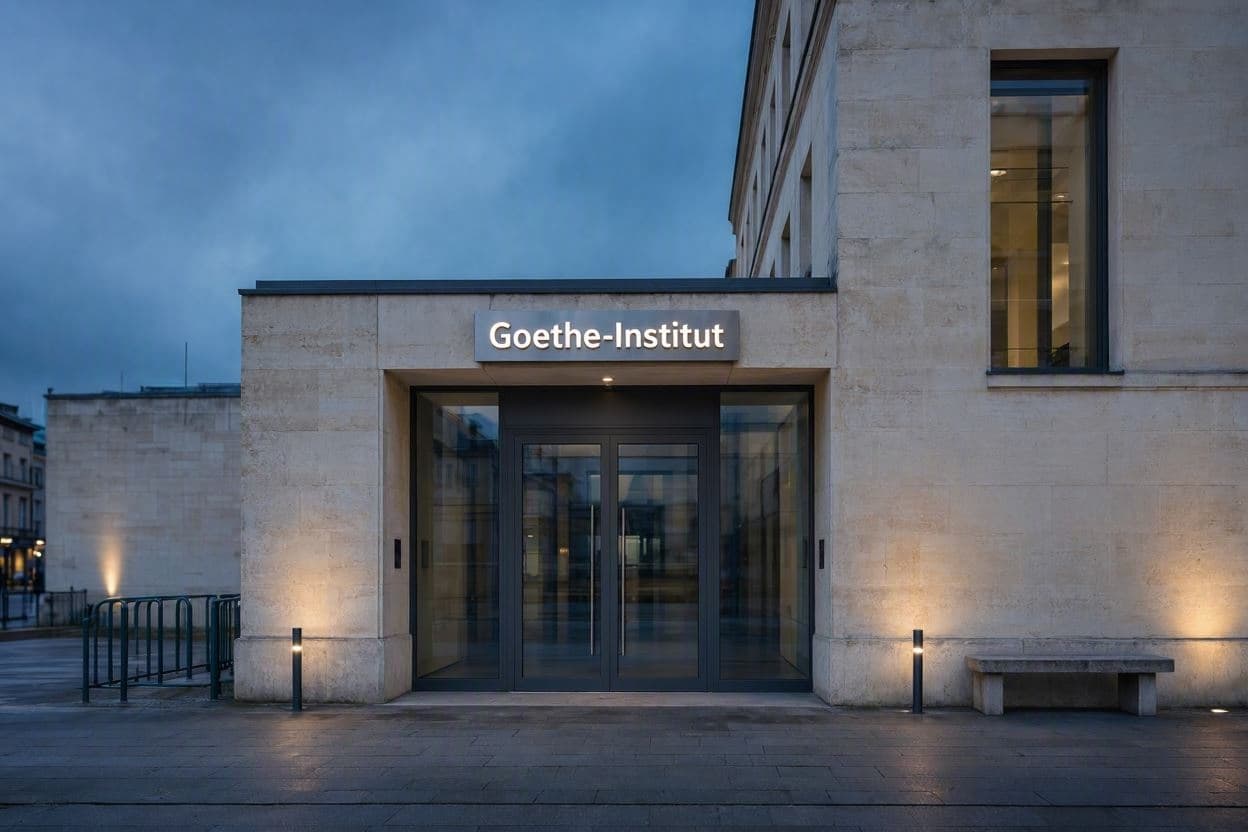
Cultural exchange has long served as a bridge between nations, fostering understanding even when political relations grow cold. However, as the war in Ukraine continues to strain diplomatic ties, these bridges are increasingly under threat. Russia’s decision to close German cultural centers, including the Goethe-Institut, marks a significant escalation in the cultural fallout of the conflict. This move signals a retreat from openness and a hardening of boundaries, reflecting the deepening mistrust between Moscow and Berlin. The closure is not just an administrative act but a symbolic severing of people-to-people connections.
The Goethe-Institut has been a staple of cultural life in Russia for decades, offering language courses, art exhibitions, and literary events. For many Russians, it represented a window to European culture and a space for intellectual dialogue. Its closure leaves a void in the cultural landscape, limiting opportunities for cross-cultural engagement. Educators and artists express regret over the loss of these platforms, which often served as neutral grounds for discussion and collaboration.
The Russian government cites legal and regulatory reasons for the closures, labeling the institutes as "undesirable organizations." This designation is part of a broader crackdown on foreign NGOs and independent media within the country. Critics view it as a retaliatory measure against Western sanctions and support for Ukraine. By targeting cultural institutions, the state sends a message that alignment with the West carries tangible domestic costs.
Germany has expressed disappointment over the decision, emphasizing the value of cultural diplomacy. Officials argue that maintaining open channels of communication is essential, even in times of conflict. They worry that isolating Russian citizens from European culture may deepen divisions and hinder future reconciliation. The closure is seen as a step backward in efforts to preserve some level of normalcy in bilateral relations.
The impact extends beyond Germany, affecting other European cultural entities operating in Russia. French and British institutes have faced similar pressures, leading to a gradual withdrawal of Western cultural presence. This trend mirrors the Iron Curtain era, where information and cultural flow were strictly controlled. The recurrence of such isolationism raises concerns about the long-term prospects for international cooperation.
Despite the official closures, informal networks of cultural exchange persist. Online platforms and private initiatives continue to connect artists and intellectuals across borders. These grassroots efforts demonstrate the resilience of cultural ties, even when institutional support is withdrawn. They offer a glimmer of hope that dialogue can survive political hostility.
As tensions persist, the fate of cultural diplomacy remains uncertain. The closure of German centers is a stark reminder of how quickly soft power can be dismantled in times of geopolitical crisis. It underscores the fragility of international relationships and the importance of protecting spaces for mutual understanding.
Russia’s closure of German cultural centers reflects the widening rift with Europe over Ukraine, diminishing opportunities for cultural dialogue and highlighting the collateral damage of geopolitical conflict.
AI Image Disclaimer: Please be aware that any visual accompaniments to this text are digitally generated illustrations intended for conceptual representation.
Sources: Deutsche Welle Reuters The Moscow Times Politico Europe
Published by Banx Network. This article is part of the Banx decentralized media programme, powered by the BXE token on the XRP Ledger.