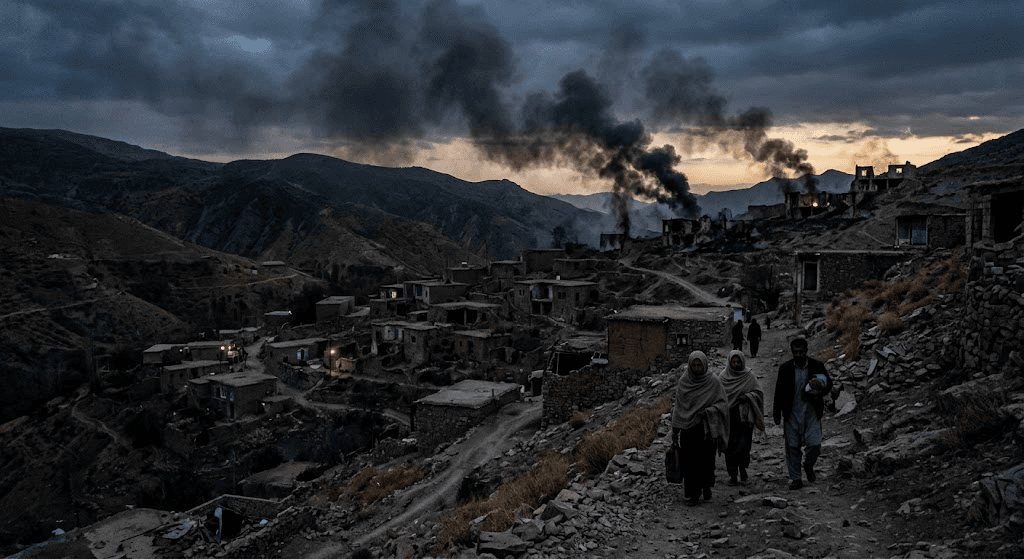
In the shadow of the Himalayas, where the air is thin and the silence profound, grief takes on a unique and poignant form. For families in Nepal who have lost loved ones to disasters or migration but lack physical remains, the traditional rites of passage remain incomplete. To bridge this spiritual void, communities have begun holding symbolic cremations, a ritual that offers closure where certainty is absent. This practice reflects a deep cultural need to honor the dead and allow the living to move forward, even when the body is nowhere to be found.
The absence of a body often leaves families in a state of suspended mourning, unable to perform the necessary religious ceremonies that guide the soul to the afterlife. In Hindu tradition, which is predominant in Nepal, proper funeral rites are essential for the peace of the departed and the bereaved. Without these rituals, many believe the soul remains earthbound, causing distress to both the spirit and the family. The symbolic cremation serves as a substitute, providing a focal point for grief and prayer.
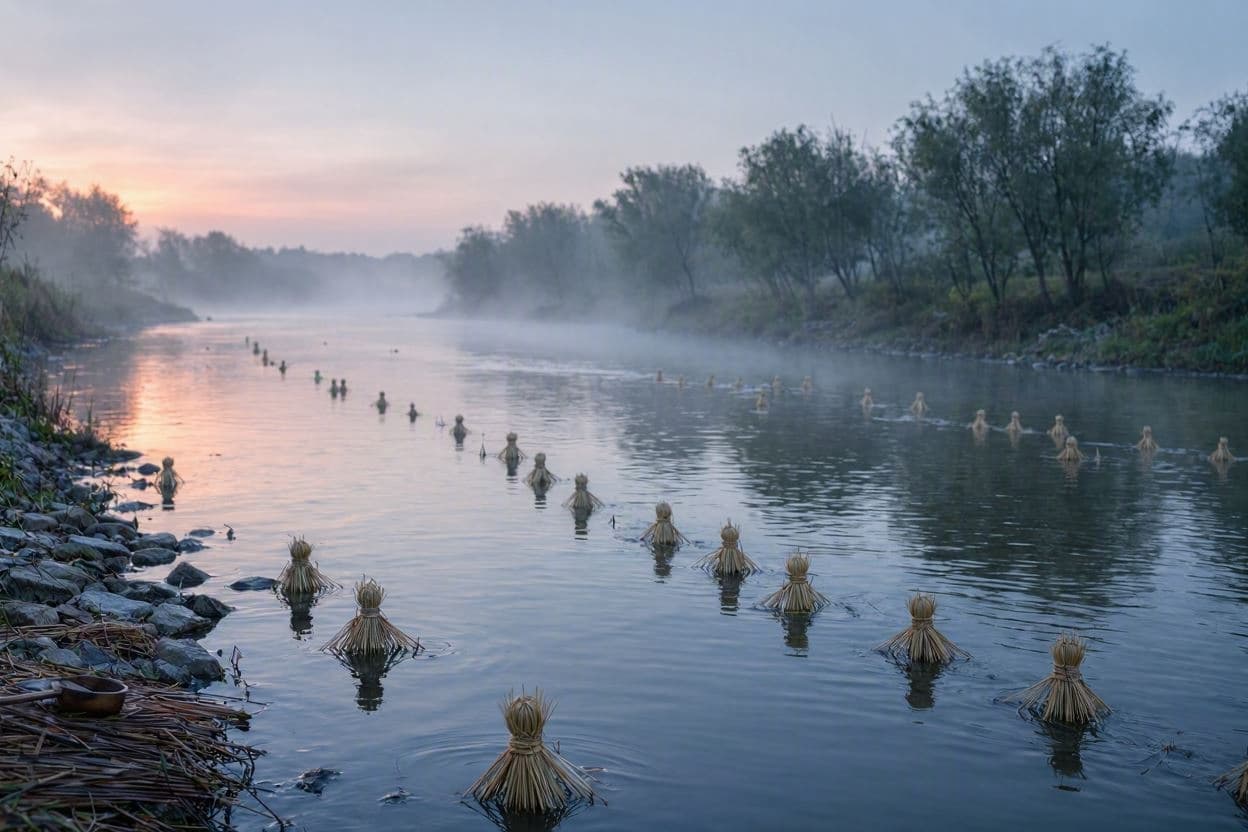
These ceremonies are often conducted using effigies made of straw, cloth, or other materials, representing the missing person. Family members gather at sacred riversides, such as the Bagmati River in Kathmandu, to perform the last rites. The act of burning the effigy is accompanied by chants, prayers, and the sharing of memories, creating a communal space for healing. It is a moment where the abstract pain of loss is given tangible form, allowing it to be released into the smoke and water.
The trend has gained visibility in recent years, particularly among families of migrants who disappeared while working abroad or victims of natural disasters like earthquakes and landslides. In many cases, economic necessity drives young Nepalis to seek work in distant countries, where they may face dangerous conditions and inadequate legal protection. When contact is lost, families are left with uncertainty that can last for years. The symbolic cremation offers a way to end the wait and begin the process of acceptance.
Religious leaders and community elders generally support these practices, recognizing the psychological and spiritual benefits they provide. They adapt traditional scripts to accommodate the absence of physical remains, ensuring that the sanctity of the ritual is maintained. This flexibility demonstrates the resilience of cultural traditions in the face of modern challenges. It shows how ancient customs can evolve to meet the emotional needs of contemporary society.
For the participants, the ceremony is not just about letting go but also about honoring the life that was lived. Stories are shared, photos are displayed, and the presence of the missing person is felt strongly in the gathering. It is a celebration of memory as much as it is a farewell. The community comes together to support the grieving family, reinforcing social bonds during a time of vulnerability.
As the ashes of the effigy are immersed in the river, there is a sense of release. The water carries away the symbol of loss, leaving behind a space for new beginnings. While the pain of absence does not vanish entirely, the ritual provides a structured path through the chaos of grief. It allows families to mark a definitive end to their search and start rebuilding their lives.
Symbolic cremations in Nepal provide essential spiritual closure for families of the missing, blending traditional Hindu rites with modern realities to facilitate healing and acceptance.
AI Image Disclaimer: The visuals accompanying this narrative are AI-generated illustrations designed to reflect the cultural and emotional context of the story.
Sources: The Kathmandu Post Al Jazeera BBC News The Himalayan Times
Published by Banx Network. This article is part of the Banx decentralized media programme, powered by the BXE token on the XRP Ledger.