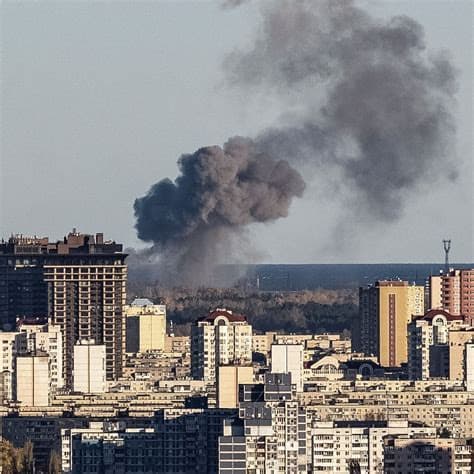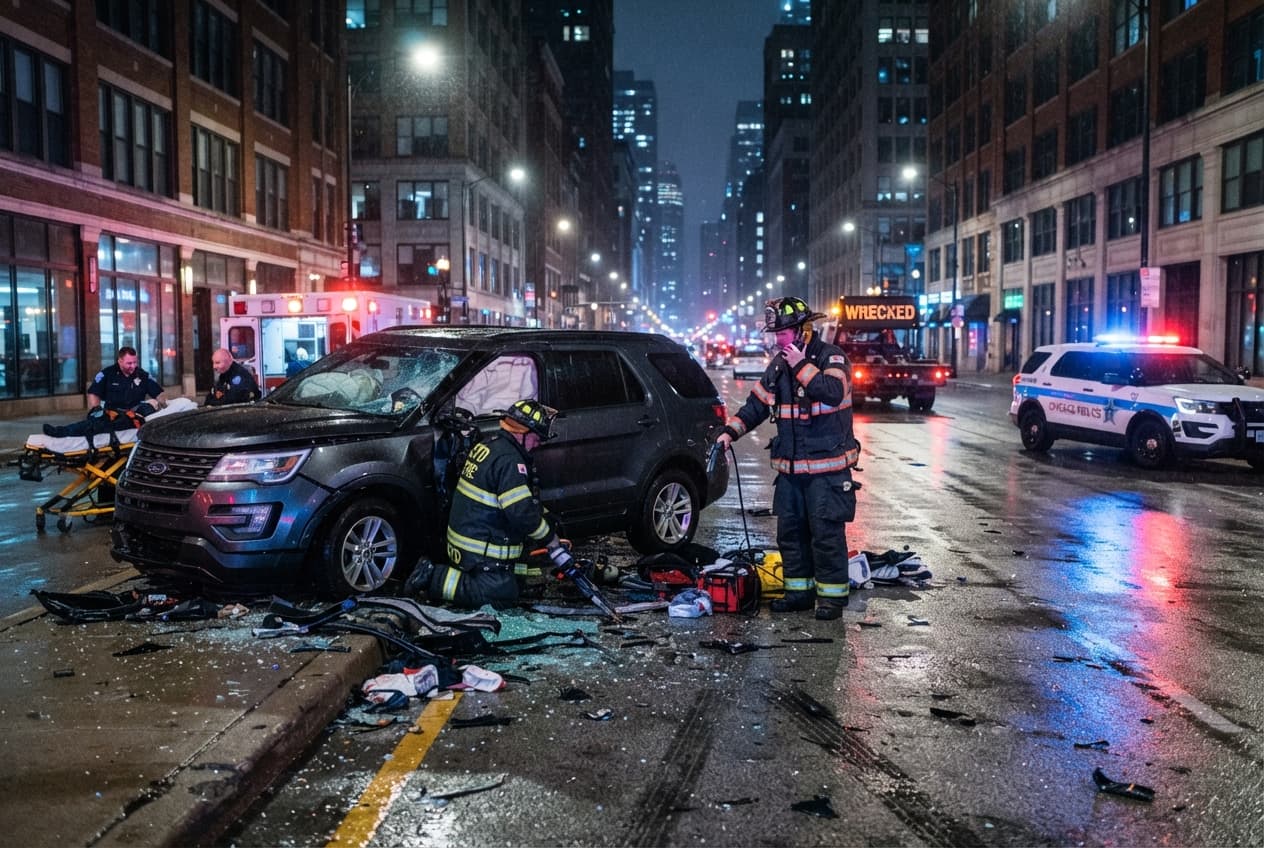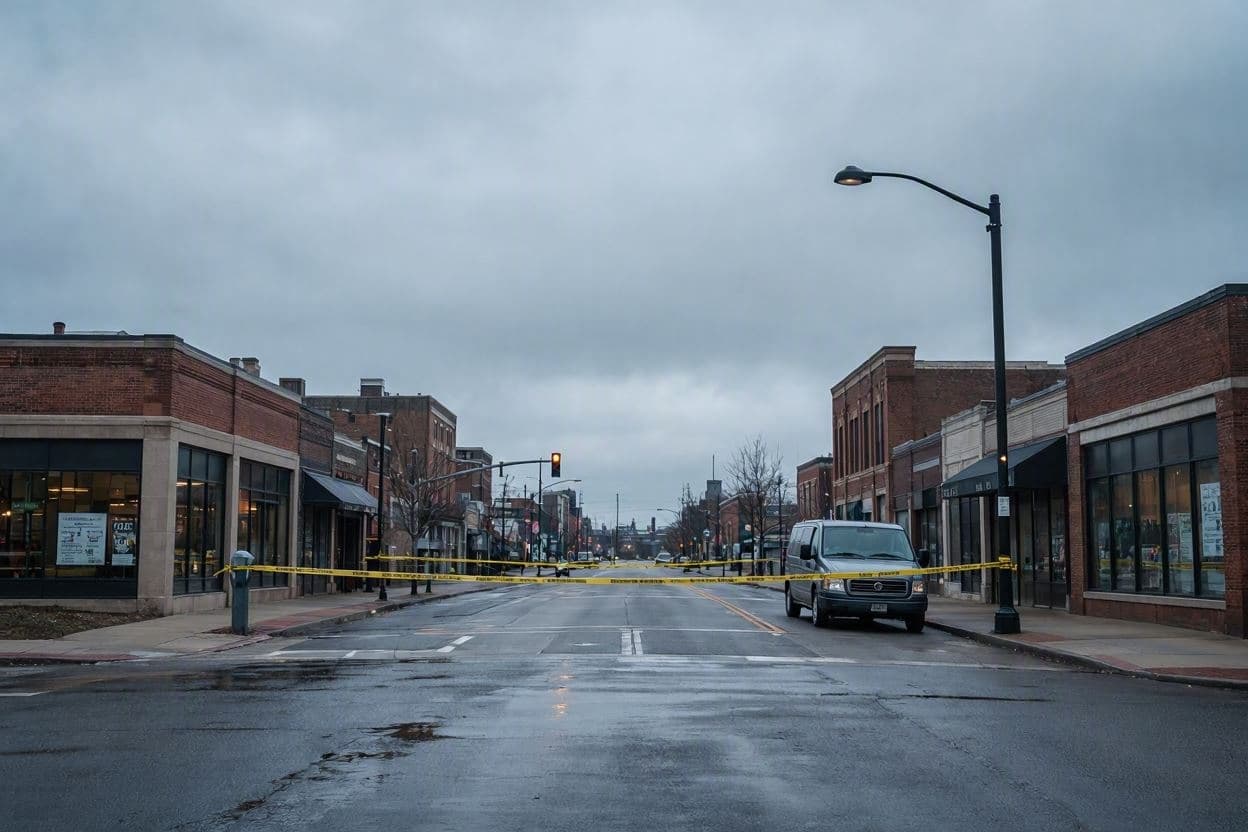
Tragedy often arrives with a backstory, a series of events that, in hindsight, seem to point toward the inevitable. In downtown Minneapolis, a mass shooting has left a community reeling, searching for answers in the aftermath of violence. Court records reveal that the suspected gunman was facing eviction at the time of the incident. This detail adds a layer of complexity to the narrative, intertwining personal crisis with public catastrophe. It invites a somber reflection on the intersections of housing instability, mental health, and societal safety.
The shooting occurred in a bustling area of the city, a place usually filled with the rhythms of daily life. The sudden eruption of violence disrupted this normalcy, leaving scars on both the physical landscape and the collective psyche of the residents. As investigators piece together the timeline, the connection to the suspect’s housing situation emerges as a significant factor. While it does not excuse the act, it provides context that may help in understanding the pressures that contributed to the event.
Eviction is a stressful and destabilizing experience, often accompanied by financial strain and emotional distress. For individuals already struggling with other challenges, it can serve as a tipping point. Mental health experts emphasize the importance of support systems during such crises, noting that isolation and despair can lead to dangerous outcomes. The revelation of the eviction proceedings highlights the need for robust social services and early intervention strategies.
Community leaders have responded with calls for both justice and healing. Vigils and support groups are forming to help those affected by the tragedy. The focus is on honoring the victims and supporting their families, while also addressing the broader issues that may have contributed to the shooter’s actions. This dual approach recognizes that prevention requires attention to both individual behavior and systemic conditions.
Law enforcement continues to investigate the motive and any potential accomplices. The legal process will determine the extent of the suspect’s responsibility and the appropriate consequences. Meanwhile, the city grapples with the immediate aftermath, providing resources for trauma counseling and community engagement. The goal is to restore a sense of safety and normalcy as quickly as possible.
The incident also sparks a broader conversation about gun violence and its root causes. Policymakers and advocates are examining how factors like housing insecurity, mental health access, and economic inequality contribute to such tragedies. While no single factor explains every act of violence, understanding these connections is crucial for developing effective prevention measures. It is a complex puzzle that requires collaborative solutions.
As Minneapolis begins to heal, the memory of the victims remains central. Their lives were cut short, leaving a void that cannot be filled. The community’s response, characterized by resilience and compassion, offers a beacon of hope. It demonstrates the capacity for unity in the face of adversity, reminding us of the strength that lies in shared humanity.
Court records indicating the suspected Minneapolis shooter was facing eviction add context to the tragedy, highlighting the complex interplay between personal crisis and public safety in the aftermath of mass violence.
AI Image Disclaimer: The images referenced in this piece are AI-created visualizations meant to evoke the setting, not direct documentation of the scientific data.
Sources: Star Tribune MPR News CBS Minnesota Associated Press
Published by Banx Network. This article is part of the Banx decentralized media programme, powered by the BXE token on the XRP Ledger.