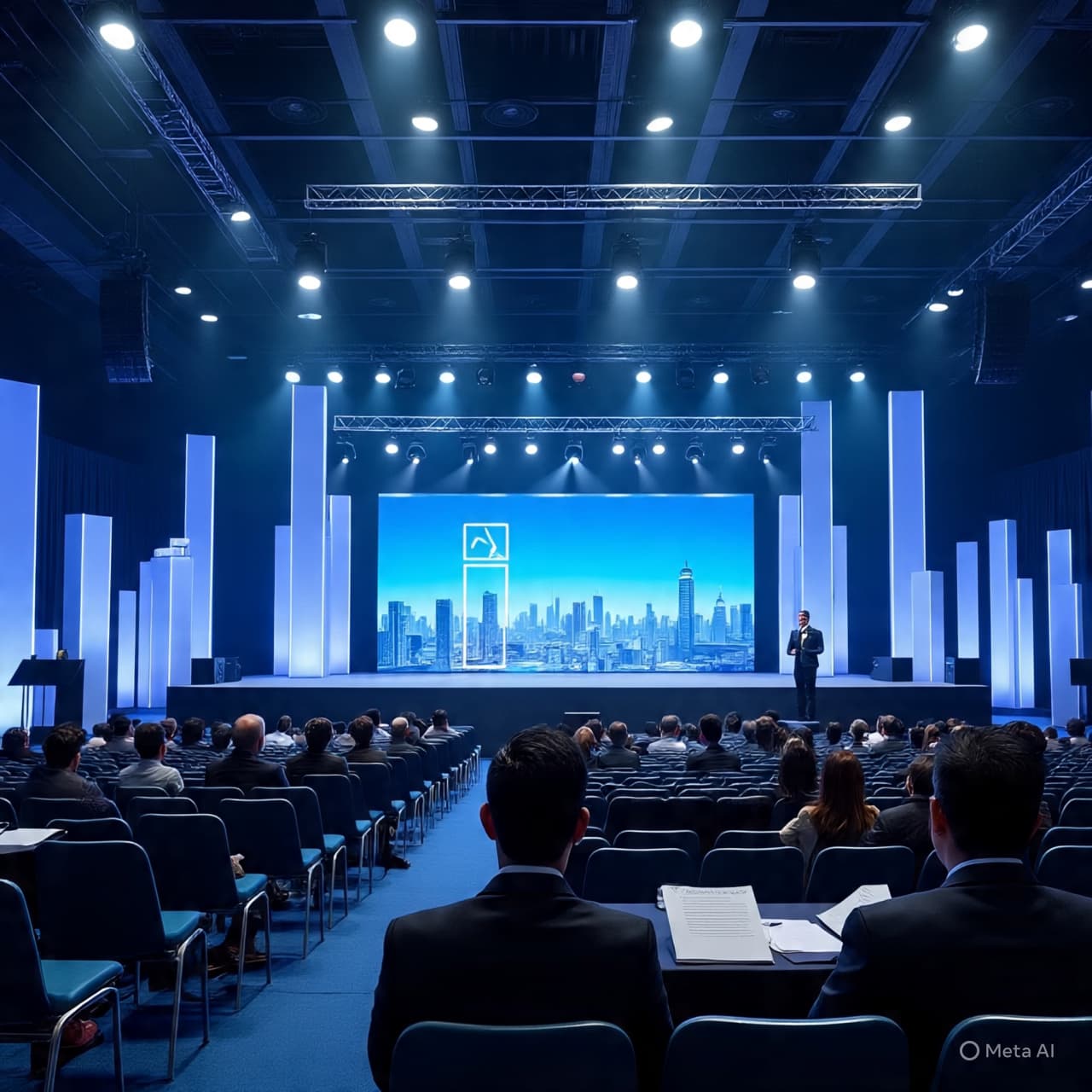
In the grand theatre of technology, summits are often choreographed like symphonies — every keynote a crescendo, every announcement a carefully timed refrain. Yet sometimes, what lingers in memory is not the polished script, but the unscripted interludes: the empty chairs, the stalled motorcades, the mechanical bark of innovation meeting public curiosity. Such was the atmosphere at India’s recent AI gathering — a summit that promised a glimpse of the future, but unfolded with moments that felt strikingly human.
Hosted in , the event was positioned as a defining step in ’s ambition to become a global artificial intelligence powerhouse. Policymakers, technologists, and corporate leaders gathered under banners celebrating digital transformation and sovereign AI development. Prime Minister addressed the summit with a familiar message: innovation must serve growth, inclusion, and national progress.
Yet even before the speeches began, attention drifted toward the notable absences. Several high-profile global tech leaders, rumored or previously expected to attend, were missing from the stage. Their absence did not derail the proceedings, but it did shift the tone. The summit, envisioned as a meeting of global AI titans, felt instead like a more domestically anchored conversation — ambitious, certainly, but slightly quieter than anticipated.
Outside the conference halls, reality pressed in with less elegance. Traffic congestion around the venue brought parts of the capital to a standstill, with diverted routes and tightened security adding to commuter frustration. The irony was not lost on observers: a gathering dedicated to the seamless efficiency of machine intelligence coinciding with very human gridlock. In a city accustomed to ceremonial motorcades and global events, the congestion became part of the summit’s narrative.
And then there was the robo-dog. A quadruped robotic demonstration unit — designed to showcase advances in AI-driven mobility and automation — drew crowds and cameras alike. Videos circulated quickly on social media, some viewers marveling at its agility, others questioning its purpose and cost. Critics debated whether the display symbolized progress or spectacle. Supporters countered that innovation often begins with prototypes that provoke curiosity before practical adoption follows.
The robotic dog, pacing steadily across a polished exhibition floor, became an unlikely emblem of the summit itself: impressive, slightly theatrical, and open to interpretation.
Beneath these lighter moments, however, the summit carried serious undertones. Discussions centered on AI governance, infrastructure investment, data sovereignty, and the balance between regulation and rapid technological expansion. India’s policymakers emphasized building domestic capacity — from semiconductor ecosystems to AI research hubs — positioning the country not merely as a consumer of global AI tools but as a creator.
International observers noted that India’s AI aspirations arrive at a time of intensifying global competition. Nations are investing heavily in compute power, foundational models, and talent pipelines. In this context, the summit’s symbolism mattered. Even its imperfections underscored a broader truth: technological ambition unfolds not in sterile laboratories alone, but in crowded cities, political arenas, and public debate.
By the final sessions, the headlines had settled into a mix of policy announcements and viral moments. Oil prices and global markets may have dominated financial news elsewhere, but in New Delhi, attention was fixed on algorithms, autonomy, and the architecture of tomorrow.
The summit concluded without dramatic disruption. The missing stars did not appear, the traffic eventually cleared, and the robo-dog returned to its charging dock. What remained was a reminder that innovation, no matter how advanced, always moves through the imperfect choreography of real life.
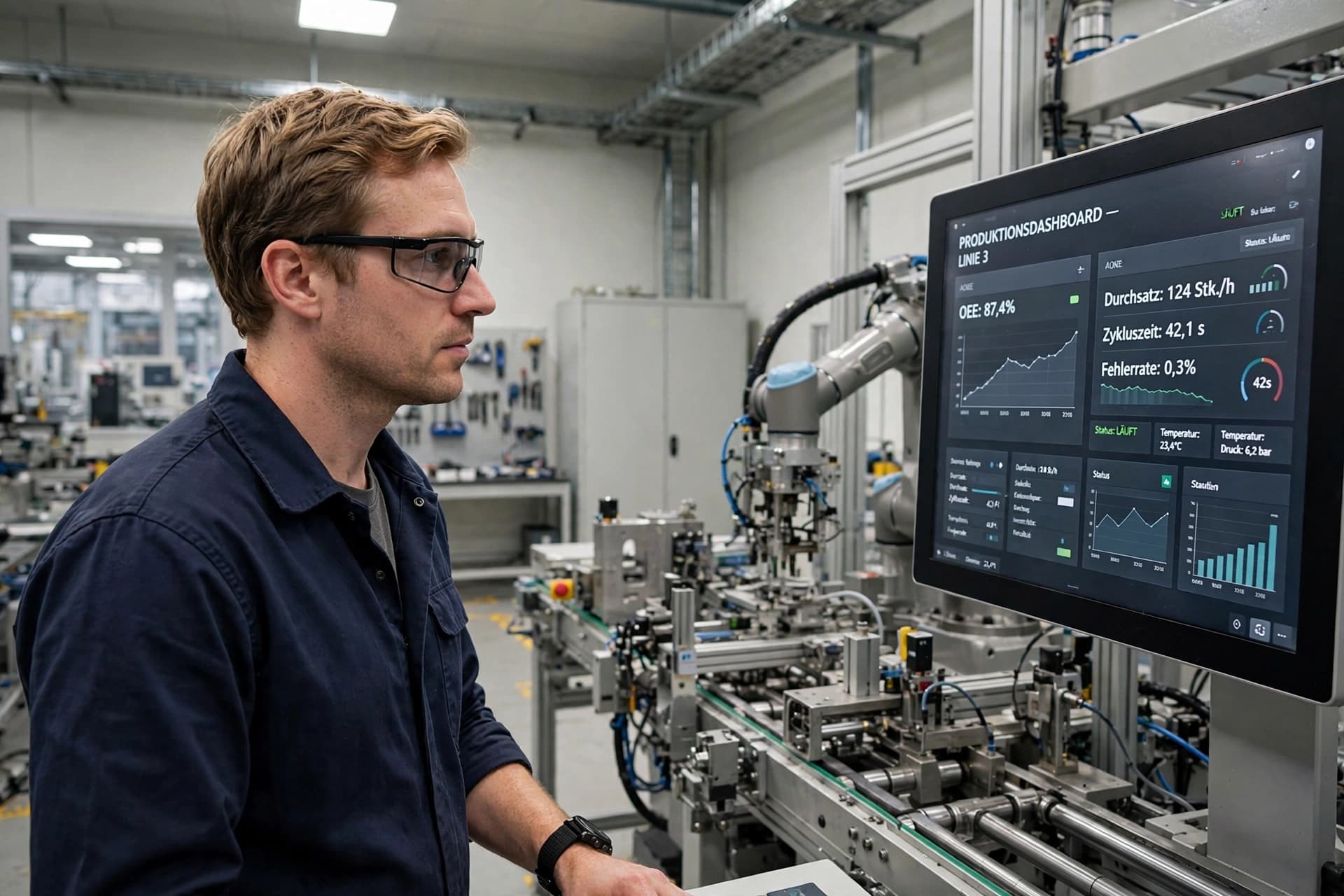
AI Image Disclaimer Images in this article are AI-generated illustrations, meant for concept only.
Sources (Media Names Only) Reuters BBC News The Hindu The Indian Express Bloomberg
Published by Banx Network. This article is part of the Banx decentralized media programme, powered by the BXE token on the XRP Ledger.