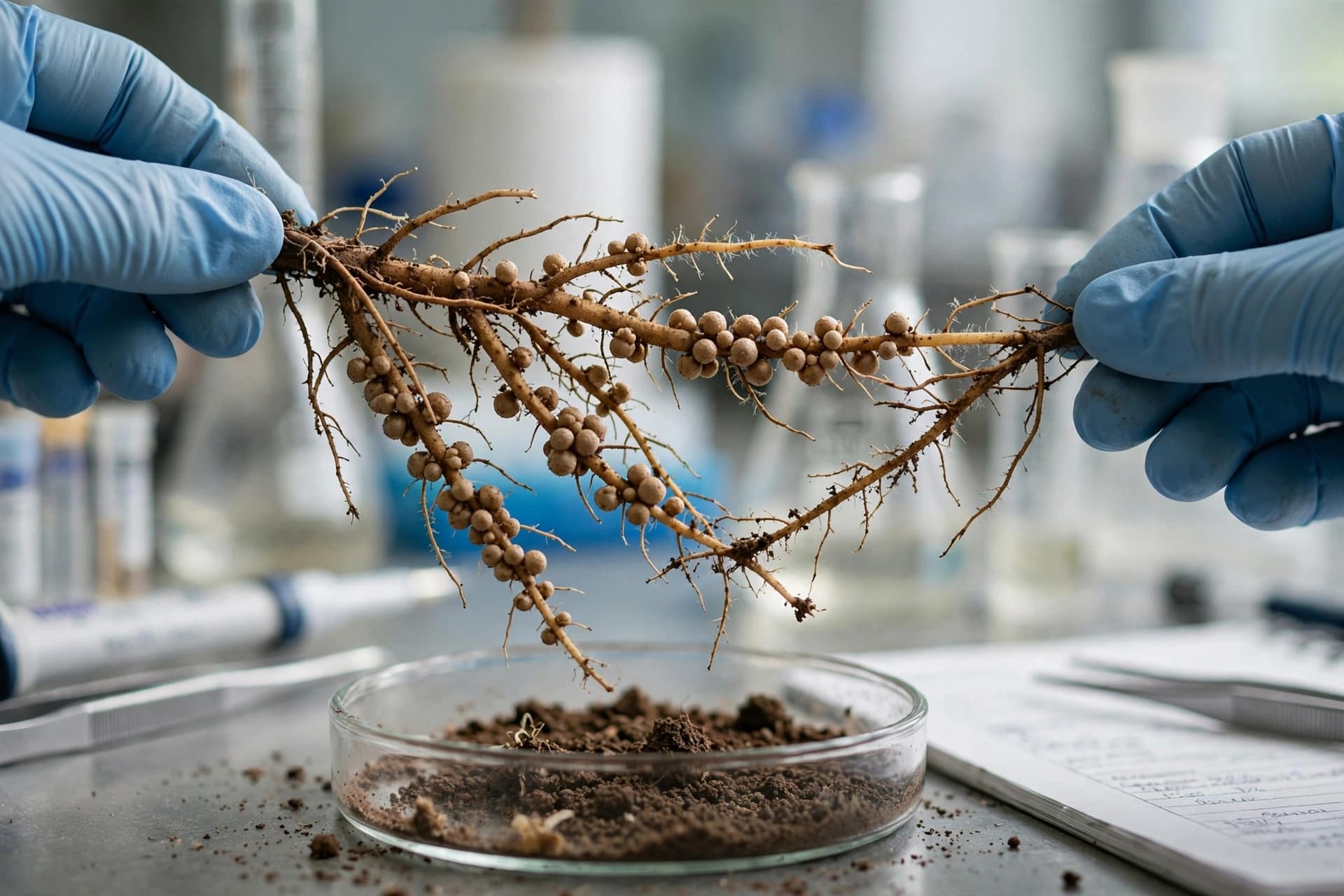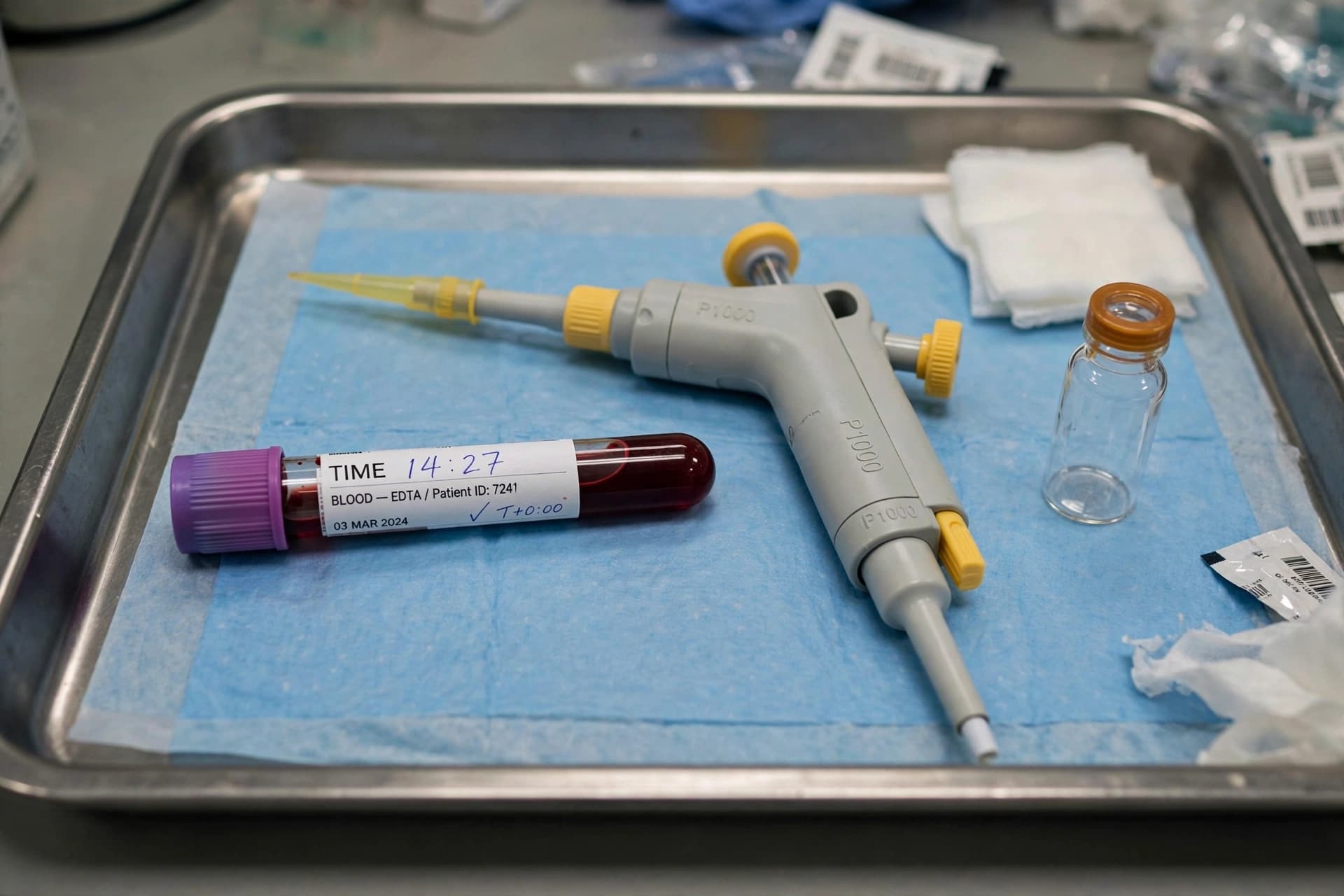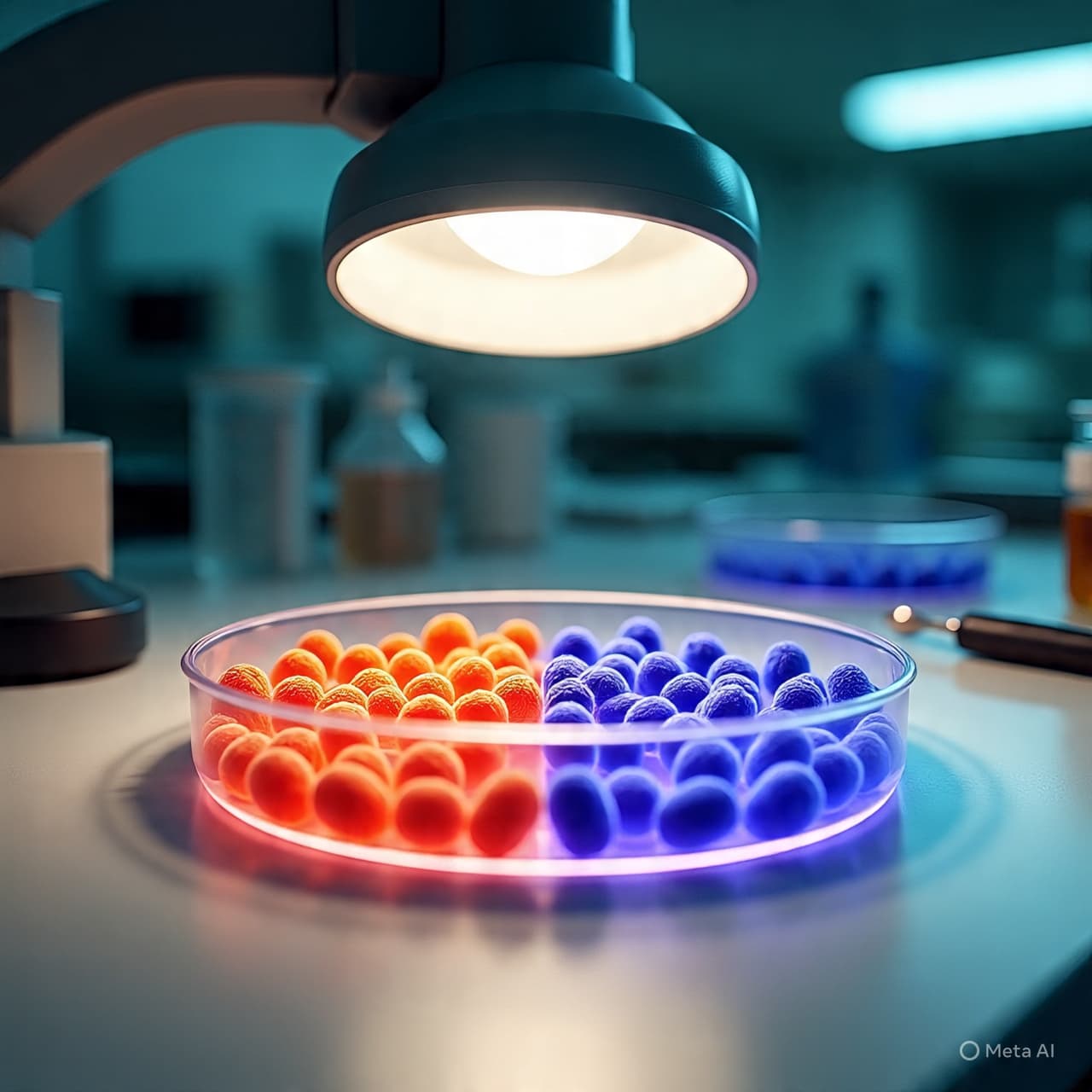
Aging is often spoken of as a slow surrender — a gradual accumulation of wear, of quiet declines measured in wrinkles, fading strength, and fragile health. But what if aging is not an irreversible drift toward decay, but a process that can, in some ways, be rewound? Recent scientific advances suggest that human cells may not be condemned to decline — that under certain conditions they can be “recharged,” step back from senescence, and regain some youthful vitality.
Researchers have identified mechanisms that appear to restore aspects of cellular function previously thought lost with age. By modulating metabolic pathways, repairing mitochondrial energy systems, and resetting gene-expression patterns, these scientists have demonstrated in cell cultures that old human cells can regain characteristics more typical of younger cells: more efficient energy production, fewer markers of cellular stress, and better capacity for repair. The findings hint at a future where aging might be met not only with care, but with cellular rejuvenation.
This is not a magic pill, nor a guarantee of eternal youth — but it changes the conversation. Aging becomes not solely a narrative of loss, but one of resilience and potential renewal. In a world where age-related diseases burden individuals and societies alike, even modest improvements in cellular health could shift outcomes: delaying degeneration, extending healthy lifespan, reducing chronic illness, and improving quality of life at older ages.
Yet with promise comes complexity. Cells in a dish differ from organs in a living body. Scaling these findings to full human physiology will demand careful research. Questions remain: will rejuvenated cells integrate properly into tissues? Could resetting cellular age disturb established balances — perhaps even increasing risk of uncontrolled growth? Scientists urge caution, understanding that biological systems are delicate, and long-term safety remains unknown.
Still, the discovery marks a new chapter in humanity’s relationship with aging. It opens the possibility of treatments rooted not in symptom management but in cellular restoration; not in slowing decline, but in actively renewing the foundations of our biology. As research advances from petri dish to potential therapies, what once seemed inevitable may become negotiable — a future where age is not only lived, but renewed.
Published by Banx Network. This article is part of the Banx decentralized media programme, powered by the BXE token on the XRP Ledger.