In the high-stakes world of college football, coaching changes are often dramatic affairs, filled with emotion and public spectacle. When Lane Kiffin left Ole Miss for LSU, the departure was marked by controversy and mixed reactions. Now, reflecting on that period, Kiffin has expressed regret over how the transition was handled. This admission offers a glimpse into the human side of professional sports, where decisions made under pressure can have lasting repercussions. It invites us to consider the importance of grace and communication in leadership transitions.
Body: Kiffin’s tenure at Ole Miss was successful, bringing renewed energy and competitiveness to the program. However, his decision to leave for LSU, a rival SEC school, was perceived by some as abrupt and disrespectful. The manner of his exit, including timing and public statements, drew criticism from fans and media alike. In retrospect, Kiffin acknowledges that the process could have been managed with more care and transparency.
In a recent interview, Kiffin described the situation as a result of bad timing and poor word choice. He emphasized that his intention was not to offend but to pursue a new opportunity. This clarification highlights the difficulty of navigating personal ambition alongside professional obligations. Coaches often face conflicting loyalties, and finding the right path is rarely straightforward.
The reaction from Ole Miss fans was intense, reflecting the deep emotional connection between communities and their teams. Betrayal, whether real or perceived, cuts deeply in sports culture. Kiffin’s regret suggests an understanding of this sentiment and a desire to mend fences. By acknowledging his mistakes, he demonstrates a willingness to take responsibility for his actions.
LSU, meanwhile, welcomed Kiffin with high expectations. The program sees him as a key figure in its quest for national prominence. His ability to learn from past experiences will be crucial in building trust with his new community. Establishing a positive relationship with fans and stakeholders is essential for long-term success.
The incident also sheds light on the broader culture of college football recruiting and hiring. The rapid pace of change and the intense scrutiny from media and fans create a pressured environment. Mistakes are easily magnified, and reputations can be damaged quickly. Navigating this landscape requires not just tactical skill but emotional intelligence.
For Kiffin, moving forward means focusing on performance and building a new legacy at LSU. While the past cannot be changed, his attitude toward it can influence his future. Demonstrating humility and respect can help heal old wounds and foster a fresh start. It is a reminder that leadership is as much about character as it is about strategy.
Closing: Lane Kiffin’s reflection on his Ole Miss exit is a moment of candor in a often opaque profession. It underscores the value of handling transitions with dignity and respect. As he embarks on his new chapter at LSU, the hope is that lessons learned will guide him toward a more harmonious and successful tenure.
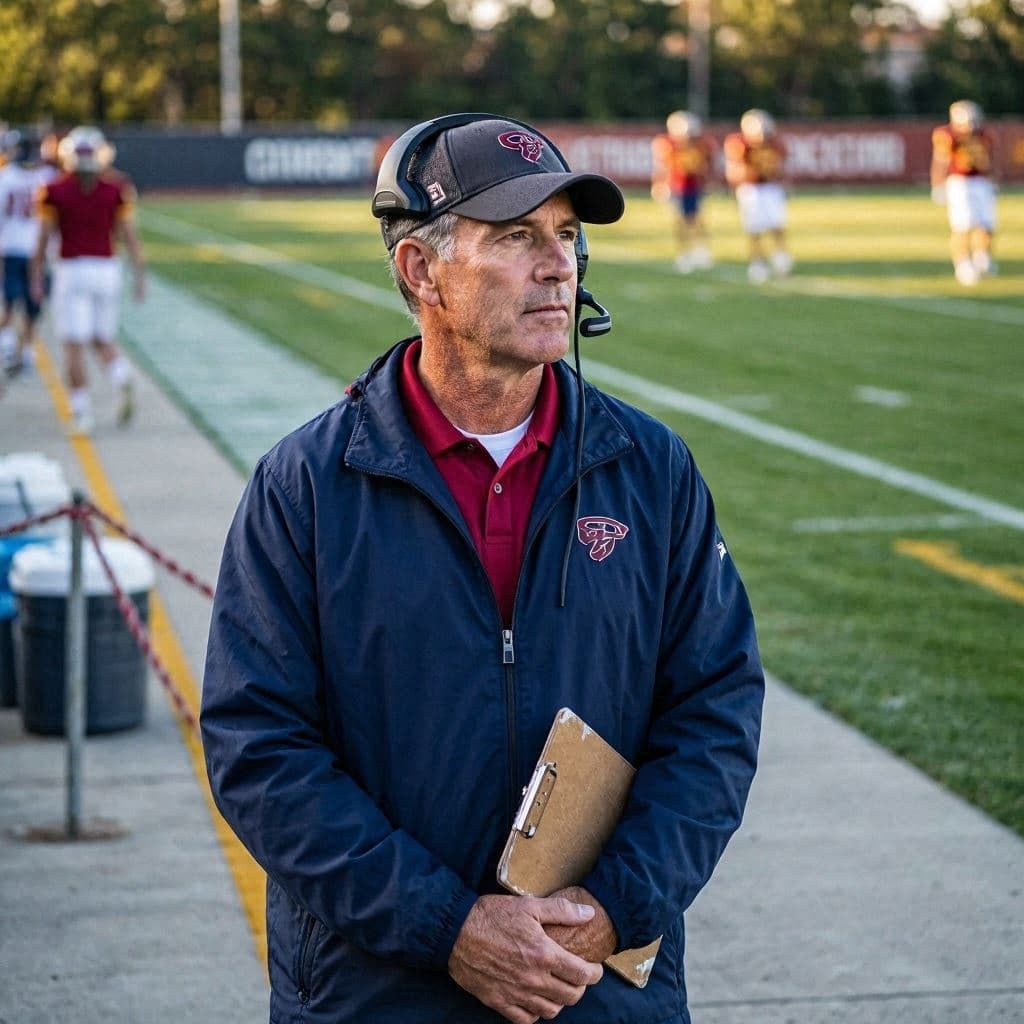
AI Image Disclaimer: Images included here are AI-generated conceptual illustrations of football stadiums and coaching sidelines, designed to visualize the themes of sports leadership and transition.
Sources: ESPN Yahoo Sports 933 KJR YouTube Interview Archives
Published by Banx Network. This article is part of the Banx decentralized media programme, powered by the BXE token on the XRP Ledger.