There is a changed kind of harvest rising in the U.S. — not of wheat or corn, but of the silent potential buried in the batteries that powered our electric dreams. In a world long reliant on digging deep into mountains for critical minerals, a new kind of mine is emerging: one that turns yesterday’s technology into tomorrow’s bedrock.
At the heart of this shift stands JB Straubel, once chief technology officer at Tesla and now the driving force behind Redwood Materials. Sensing early on that each retired electric-vehicle battery is more than spent power — but a trove of lithium, cobalt, nickel, copper and other vital elements — Straubel envisioned a “circular economy,” where mining is not only about rock and soil, but also about re-using what we already engineered.
In November 2025, Redwood opened a landmark new plant in South Carolina — a $3.5 billion facility covering 600 acres — aimed at reclaiming critical minerals from spent lithium-ion batteries. Combined with its Nevada operation, Redwood claims the capacity today to recycle hundreds of thousands of battery packs per year and recover tens of thousands of metric tons of key materials — effectively becoming a domestic “urban mine.”
The broader significance becomes clear when viewed against global supply-chain dynamics. For years, much of the world’s refining and processing of battery minerals has been concentrated in China — giving it outsized influence over electric-vehicle supply lines, energy-storage systems, and even defense-related technologies. By recovering and refining these materials on U.S. soil, Redwood Materials seeks to reduce reliance on foreign mining and processing — in effect, turning discarded batteries into strategic national assets.
Yet the transformation is more than geopolitical. It’s a rethinking of resource use. As Straubel puts it, the metals inside batteries “don’t get consumed in the application” — they remain, ready to be reborn into new cells, new energy storage systems, new tools for a low-carbon future. And with global demand for electric vehicles slowing and battery use diversifying (storage systems, grid support, even data centers), this recycled supply could become essential — not optional.
Still, challenges remain. Collecting used batteries (from EVs, consumer electronics, and other devices) at scale will require improved logistics, regulations, and public awareness — otherwise valuable materials risk being lost to landfill or hazardous waste streams. And though Redwood now recycles a significant volume, the supply of discarded batteries must increase dramatically to meet future demand for new battery production.
In that sense, what we’re witnessing isn’t just a corporate venture — but the dawn of a new paradigm. A paradigm where sustainability, security, industry, and innovation intersect; where the minerals shaping our future emerge not from deep mines, but from the silent rust of once-active batteries; and where yesterday’s waste becomes tomorrow’s foundation.
As urban mines rise, they carry with them an implicit promise: that we might build a cleaner, greener, more resilient economy — one battery at a time.
AI image disclaimer :
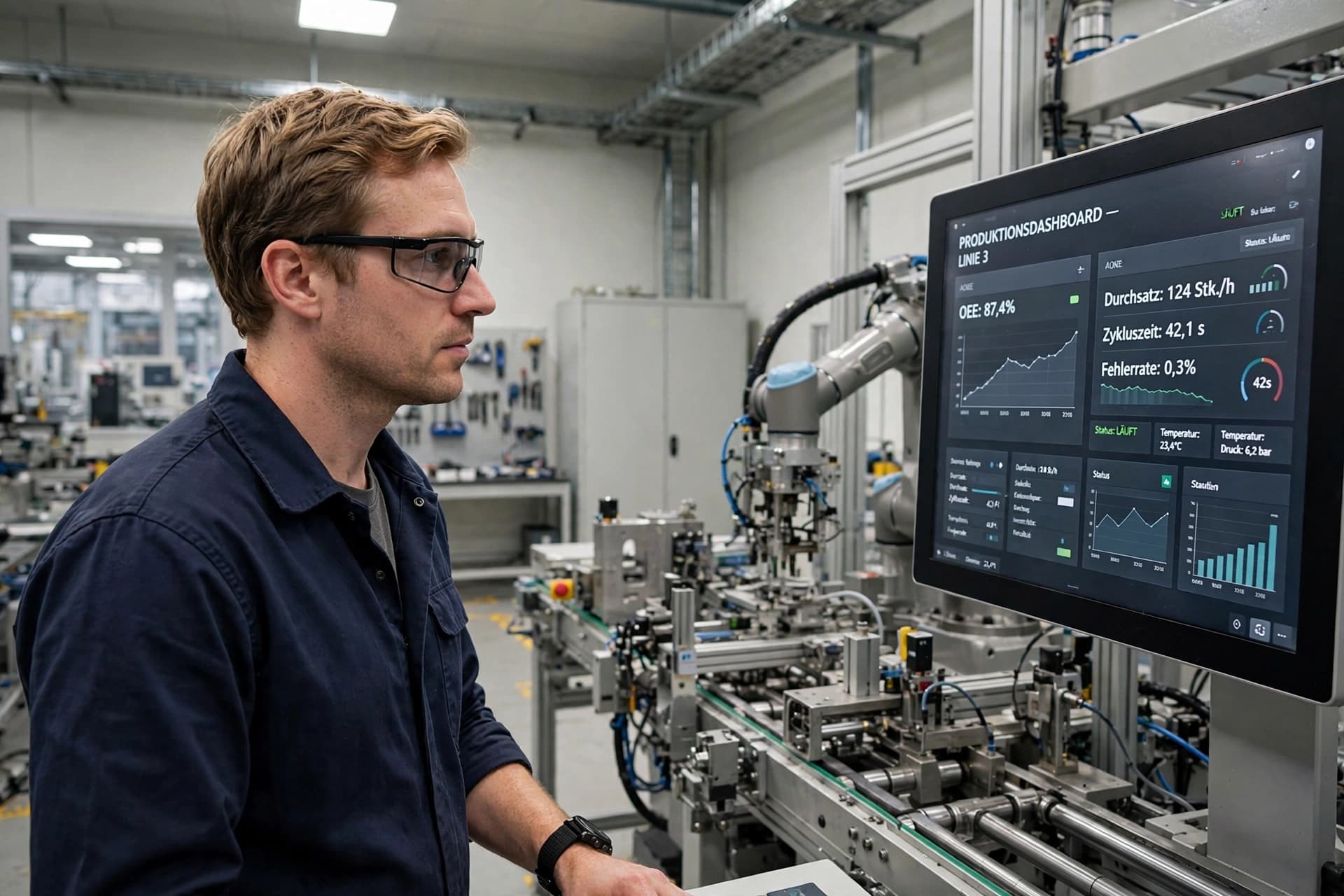
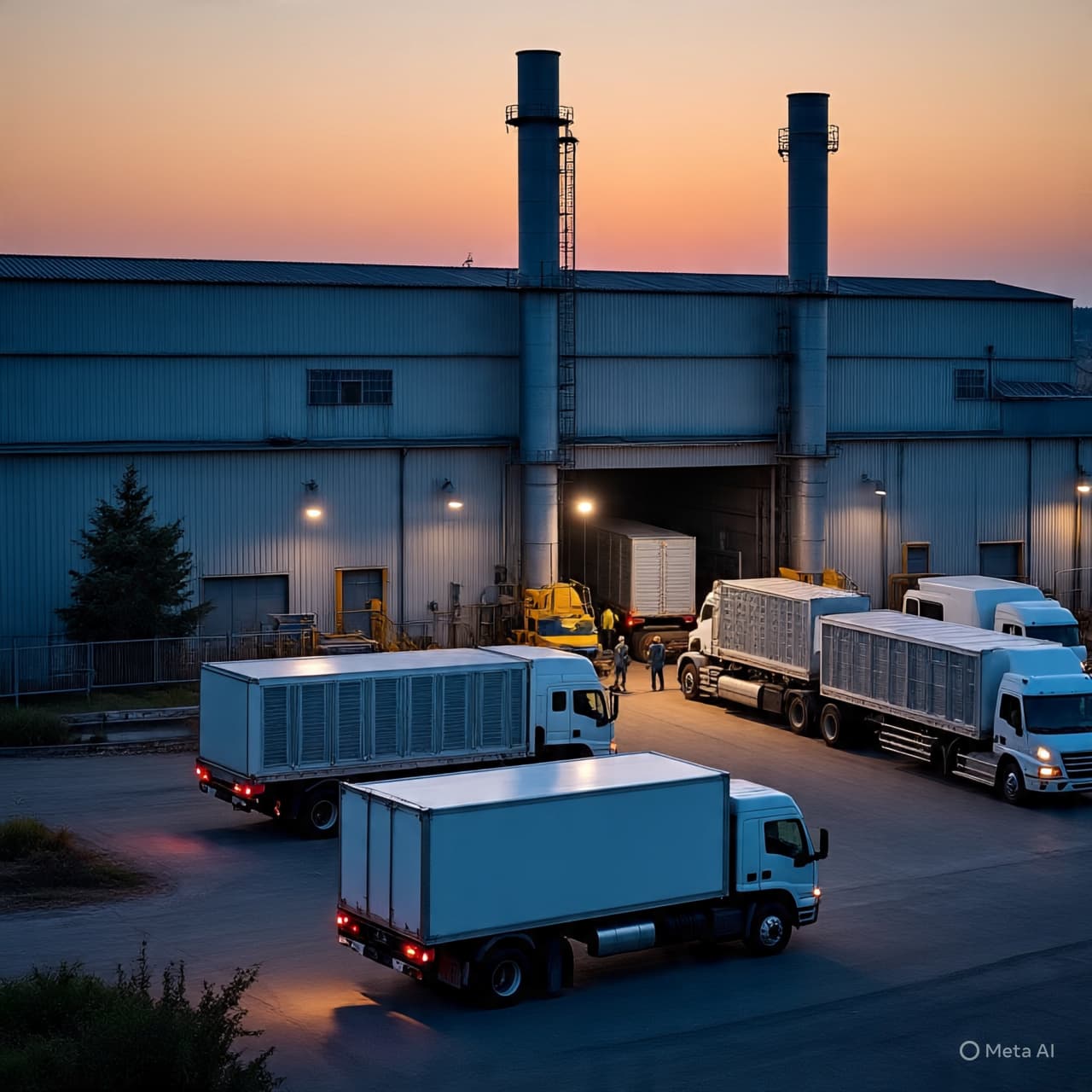
Illustrations are AI-generated and intended for conceptual representation only.
Sources: Fortune Bloomberg/TTNews Forbes Metal.com (battery-materials news) Wikipedia (company profile of Redwood Materials)
Published by Banx Network. This article is part of the Banx decentralized media programme, powered by the BXE token on the XRP Ledger.