Summer in Minnesota is typically a season of lakes and leisure, but this year, it has been marked by a different kind of turbulence. A series of cyberattacks targeting water infrastructure has compounded existing challenges, creating a "rash" of disruptions that threaten public safety and confidence. These digital intrusions, occurring amidst broader political tensions, highlight the vulnerability of critical systems in an interconnected world. It is a sobering reminder that threats to our resources are no longer just physical but virtual, requiring a new kind of vigilance. The calm of the water is disturbed by invisible currents of code and conflict.
The attacks, which targeted municipal water systems, aimed to disrupt operations and cause panic. While no major contamination events were reported, the attempts underscore the ease with which bad actors can probe weak points in aging infrastructure. For local officials, the response required rapid coordination between IT experts, engineers, and law enforcement. The goal was to isolate affected systems and restore normalcy before harm could occur. This incident serves as a wake-up call for communities across the nation.
These incidents occur against a backdrop of political debate over infrastructure funding and security. Former President Trump’s past policies and current rhetoric on water management have added a layer of complexity to the public discourse. Critics argue that insufficient investment in cybersecurity has left systems exposed, while supporters point to ongoing efforts to modernize defenses. The intersection of politics and technology makes resolution challenging, as stakeholders navigate differing priorities and perspectives.
For residents, the news brings anxiety about the safety of their tap water. Trust in public utilities is essential for daily life, and any breach shakes that foundation. Communities are demanding greater transparency and assurance from local governments. Officials are responding with increased monitoring and public updates, aiming to rebuild confidence through openness. The psychological impact of such threats is significant, even when physical harm is avoided.
The broader implication is a national wake-up call. Water systems across the country face similar risks, many operating with outdated technology. Federal agencies are urging upgrades and stricter security protocols. The cost of inaction is high, potentially leading to health crises and economic disruption. Investment in cyber-resilience is no longer optional but imperative. The lesson from Minnesota is clear: in the digital age, protecting water means protecting data.
As summer progresses, the focus remains on securing these vital resources. Collaboration between public and private sectors is key to developing robust defenses. The hope is that this incident will spur action, leading to stronger safeguards and a more resilient infrastructure. The water flows on, but now with a heightened awareness of the digital currents beneath.
The cyberattacks on Minnesota’s water systems add a digital dimension to summer challenges. As authorities work to secure infrastructure, the hope is for enhanced protection and public trust. The safety of our water depends on our ability to adapt to new threats.
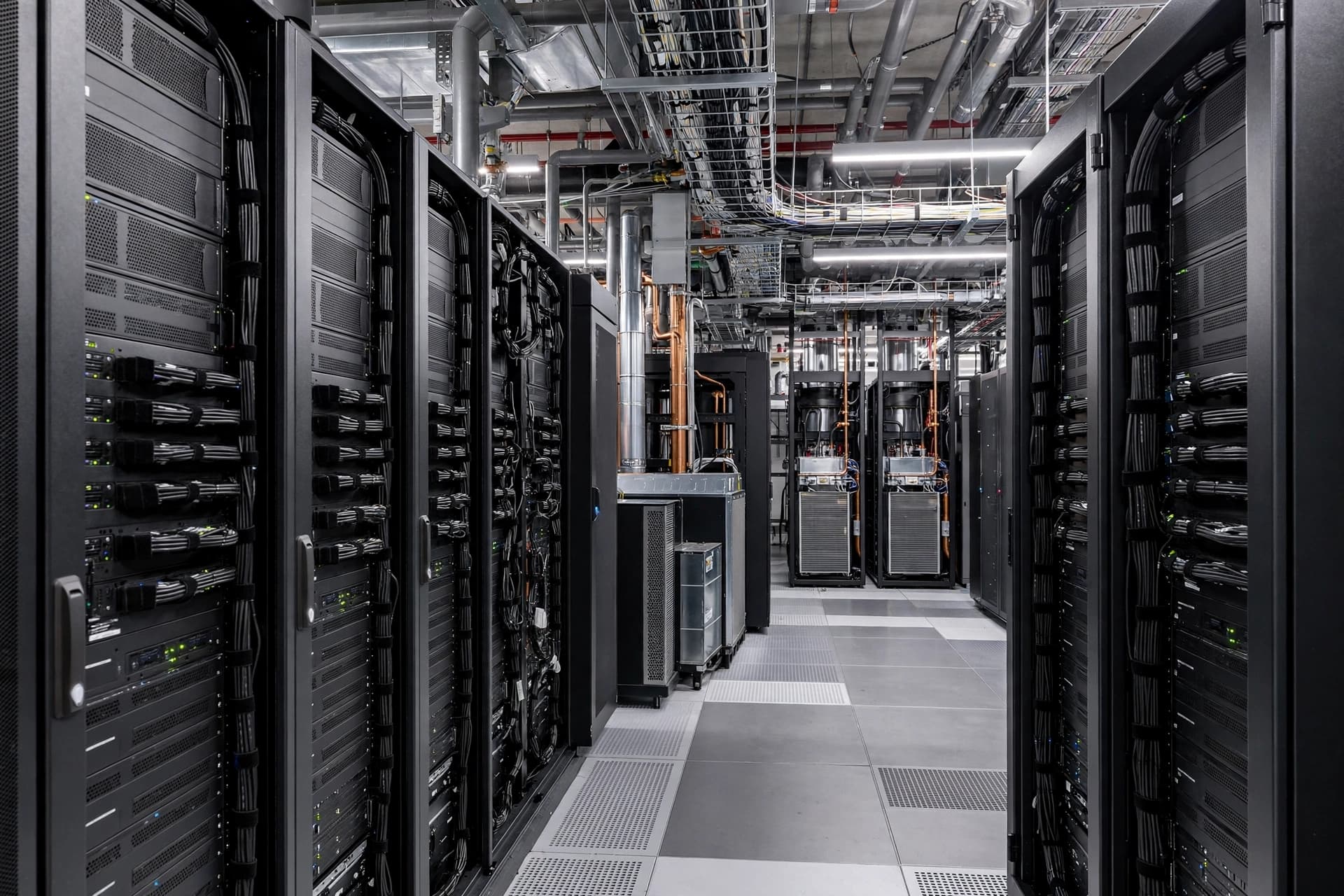
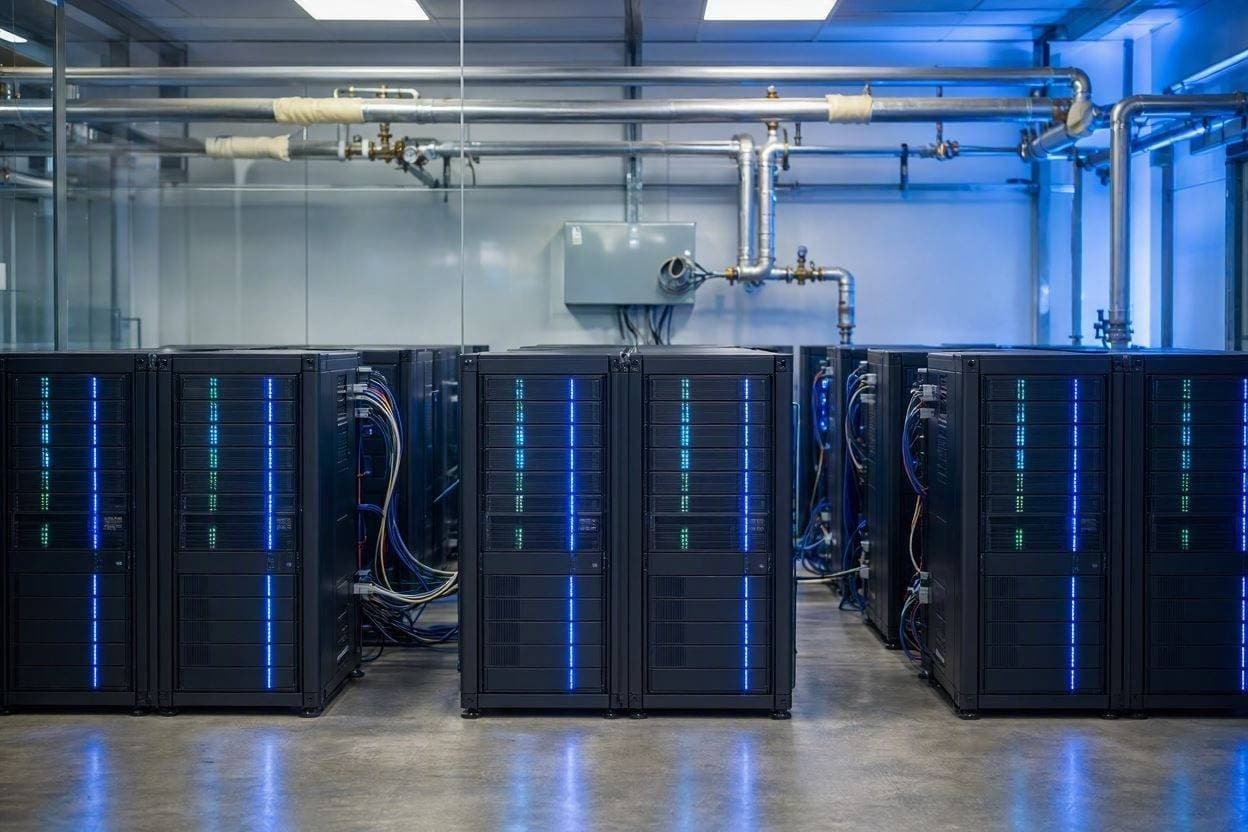
AI Image Disclaimer: The images provided are AI-generated to visually represent the technological and environmental aspects of the story.
Sources: Reuters The Hill Local Minnesota News
Published by Banx Network. This article is part of the Banx decentralized media programme, powered by the BXE token on the XRP Ledger.

.jpg&w=3840&q=75 "The Artemis Revolution: How NASA Plans to Build Humanity's Future on the Moon")