Water is the essence of life, flowing quietly through pipes and treatment plants to sustain communities. Yet, this critical infrastructure is increasingly vulnerable to digital threats that operate in the shadows. Recently, experts have issued stark warnings about the susceptibility of U.S. water systems to cyberattacks, following suspected incidents linked to Iranian hackers. This revelation invites reflection on the hidden dangers facing essential services and the urgent need for robust cybersecurity measures. It is a reminder that safety in the modern age depends not just on physical barriers but on digital defenses.
The warnings come after coordinated attacks targeted more than 30 municipal water facilities in Minnesota and other states. Investigators found hallmarks of Iranian involvement, suggesting a strategic effort to disrupt critical infrastructure. These attacks did not necessarily contaminate water supplies but demonstrated the ability to access control systems. The potential for harm is significant, raising concerns about public health and safety.
Cybersecurity experts emphasize that many water utilities rely on outdated technology and lack sufficient protection. Internet-connected systems, known as SCADA, are often poorly secured, making them easy targets for sophisticated hackers. Upgrading these systems requires substantial investment and expertise, resources that smaller municipalities may lack. The gap between threat and defense is widening, necessitating immediate action.
Federal agencies, including the FBI and CISA, have issued alerts to help utilities identify and mitigate risks. They recommend multi-factor authentication, network segmentation, and regular security audits. These steps can significantly reduce vulnerability, but implementation varies widely across the country. Collaboration between government and private sector is essential for building a resilient infrastructure.
For the public, the news may seem abstract, but the implications are real. Trust in tap water is fundamental to daily life, and any breach of that trust can cause panic and disruption. Transparency from utility providers is crucial to maintaining confidence. Communities must be informed about the measures being taken to protect their water supply.
The geopolitical dimension of these attacks adds another layer of complexity. Cyber warfare is becoming a tool of statecraft, allowing nations to exert pressure without direct confrontation. Defending against such threats requires international cooperation and strong diplomatic responses. The stakes are high, and the battlefield is invisible.
Experts warn that U.S. water systems are vulnerable to cyberattacks following suspected Iranian hacks on municipal facilities. Federal agencies are urging utilities to strengthen cybersecurity measures. The hope is for improved protection and continued vigilance to safeguard public health.
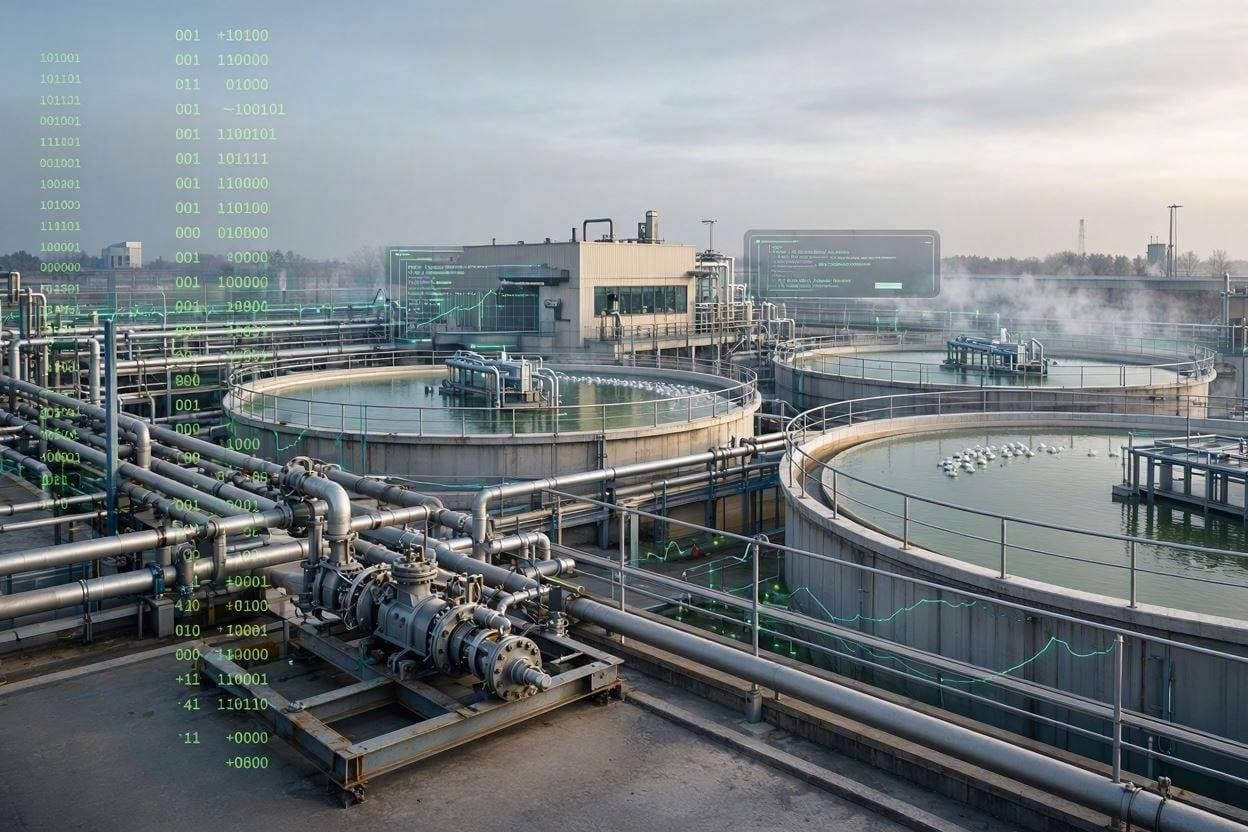
AI Image Disclaimer: Visuals associated with this article are AI-generated to illustrate the themes of cybersecurity and infrastructure protection.
Sources: The New York Times NBC News Washington Post
Published by Banx Network. This article is part of the Banx decentralized media programme, powered by the BXE token on the XRP Ledger.