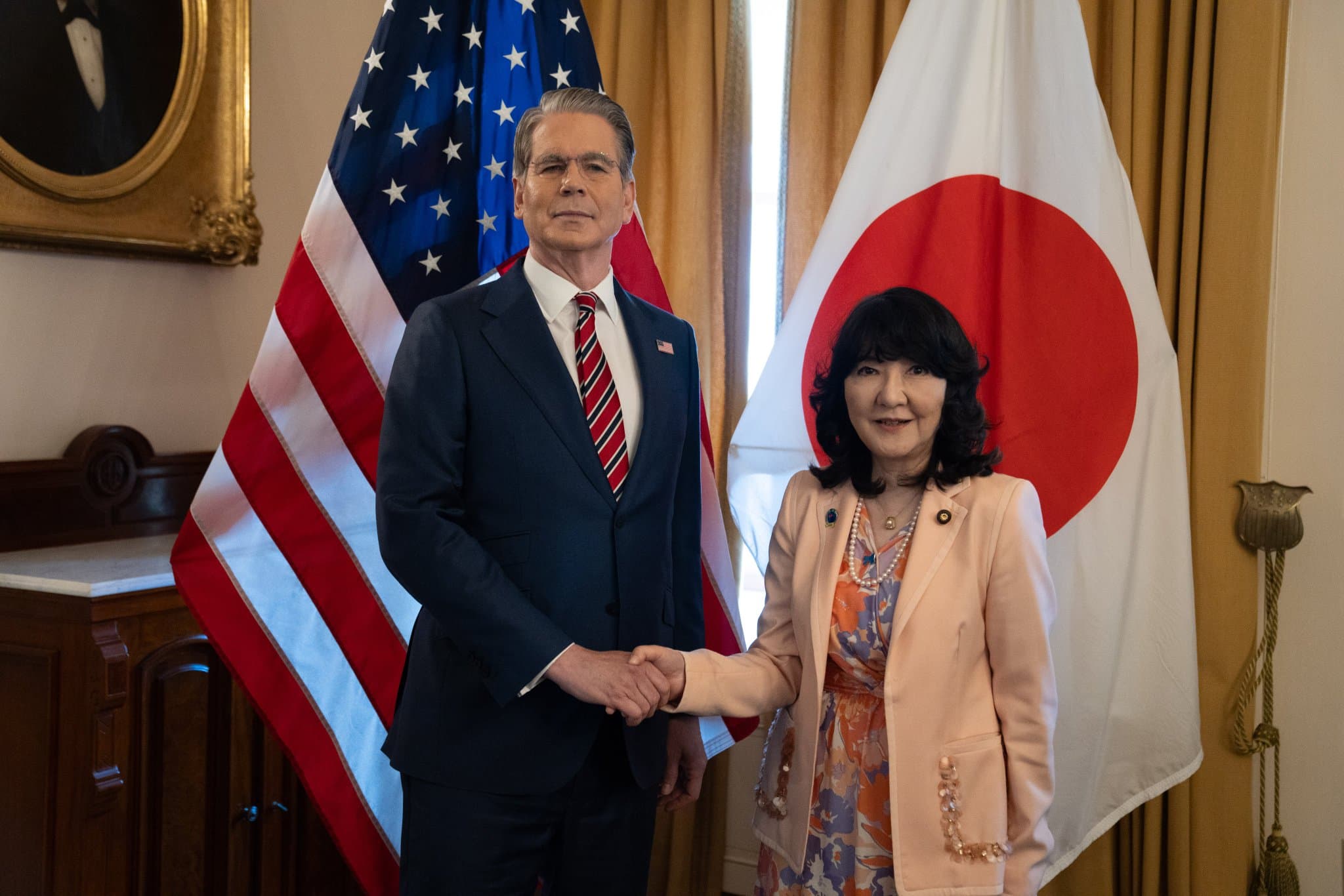
When Scott Bessent met with Japan’s Finance Minister Satsuki Katayama, it may have appeared as routine diplomacy—a formal handshake, polite statements, and reaffirmed alliances. But beneath that calm surface lies a strategic alignment that could shape the future of global finance and energy. The meeting underscores a critical truth: in today’s volatile world, economic alliances are no longer just about trade—they’re about stability, influence, and resilience. The partnership between the United States and Japan has long been one of the most important economic relationships globally. Together, they represent massive financial power, technological leadership, and a shared interest in maintaining balance in an increasingly competitive global landscape. But timing is everything. With rising geopolitical tensions, shifting supply chains, and ongoing debates around energy security, this meeting signals a renewed commitment to coordination. Japan’s leadership in energy innovation and efficiency, combined with America’s financial and institutional strength, creates a powerful axis of influence. The mention of closer communication is particularly telling. In modern finance, speed and alignment between major economies can mean the difference between stability and shockwaves across global markets. From currency movements to interest rate strategies, synchronized decisions between these two nations ripple worldwide. There’s also a deeper layer—one that involves the future of financial systems themselves. As digital assets, blockchain infrastructure, and new regulatory frameworks continue to evolve, cooperation between major economies becomes essential. Without alignment, fragmentation could slow innovation or create systemic risks. This isn’t just about today’s policies—it’s about preparing for tomorrow’s financial architecture. Moments like these rarely make loud headlines, but they often carry long-term consequences. A single meeting can reinforce trust, align strategies, and quietly shape decisions that impact billions of people. In a world of uncertainty, strong alliances are the closest thing global markets have to stability. And sometimes, it all starts with a handshake.
Published by Banx Network. This article is part of the Banx decentralized media programme, powered by the BXE token on the XRP Ledger.