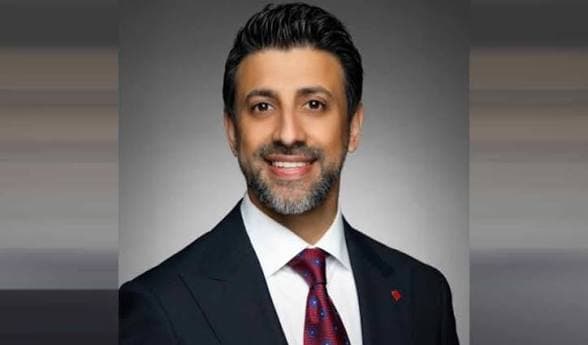
Sometimes a feud between two larger‑than‑life personalities can seem like far‑off banter — a ripple on the surface of business and culture that momentarily attracts attention before fading back into the everyday. Yet when Elon Musk, the world’s richest tech entrepreneur, begins publicly musing about buying one of Europe’s biggest airlines, it invites a closer look at how modern discourse, business ambitions, and social media spectacle can become entwined. Over the past week, Musk has hinted that he might consider acquiring Ryanair following a very public dispute with the airline’s outspoken CEO, Michael O’Leary.
The story began with a disagreement over in‑flight Wi‑Fi technology. Musk, whose aerospace company SpaceX operates the Starlink satellite internet network, had floated the idea of equipping Ryanair jets with ultra‑fast connectivity. O’Leary dismissed the idea, arguing that the hardware needed would add unwanted weight and aerodynamic drag — and therefore fuel cost — on short European flights. In response to that critique, Musk took to his social platform X to call the airline boss “misinformed.” O’Leary, never one to hold back, countered by labeling Musk an “idiot.”
What followed was equal parts corporate clash and internet theatre. Musk not only doubled down on his criticisms but also posted a poll on X asking his followers whether he should buy Ryanair, cheekily suggesting he would install someone named “Ryan” to run the airline. Within hours, hundreds of thousands of users responded, with a substantial majority indicating “yes.” Musk even directly asked Ryanair how much the airline would cost.
Ryanair, instead of retreating, leaned into the exchange with its own brand of cheeky responses — including a tongue‑in‑cheek promotional offer dubbed the “Great Idiots Seat Sale” aimed at Musk and others on social media. O’Leary continued to dismiss Musk’s proposals and even prepared to address the dispute in a press conference, underscoring that a practical airline purchase is far more complicated than a poll or online jest.
Behind the memes and insults lie real structural realities. European Union rules restrict non‑EU investors from owning controlling stakes in many airlines, including carriages like Ryanair, meaning a genuine takeover would face significant legal and regulatory hurdles even if Musk were serious. Market reactions have also remained muted, with Ryanair’s share price showing only modest fluctuations amid the online buzz.
This episode highlights how the persona of business leaders — amplified by social media — can turn corporate strategy into a public spectacle. Whether Musk’s remarks will ever evolve into a formal acquisition attempt, or simply remain part of a high‑visibility spat, remains an open question. For now, it stands as a vivid example of how personal rivalry, brand identities, and the quirks of digital platforms intersect in the modern world of industry and influence.
AI Image Disclaimer Illustrations were produced with AI and serve as conceptual depictions, not real photographs.
Sources (News Role) The Guardian AFP / Borneo Bulletin AirlinerGS The National Business Insider
Published by Banx Network. This article is part of the Banx decentralized media programme, powered by the BXE token on the XRP Ledger.