Key Highlights
- Poll Results:53% of Britons favor returning the Parthenon Marbles to Greece.
- Compromise Support:Support rises to 56% with proposed compromise arrangements.
- Historical Context:The debate over the Marbles has persisted for decades.
A recent YouGov poll conducted on December 2, 2024, has revealed that 53% of respondents in Great Britain support the return of the Parthenon Marbles to Greece. This survey indicates a significant public sentiment shift regarding the long-standing debate over the ownership of these ancient artifacts. In contrast, only 24% of those surveyed preferred that the Marbles remain in Britain, while 23% were undecided about their fate.
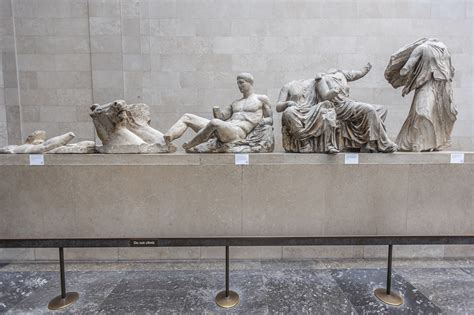
The Parthenon Marbles, also known as the Elgin Marbles, were removed from the Parthenon temple in Athens by Lord Elgin in the early 19th century and have since been housed in the British Museum. The question of their rightful ownership has sparked heated discussions and campaigns for repatriation, particularly from Greece, which argues that the Marbles are integral to its cultural heritage.
Earlier polling conducted by Ipsos indicated a growing trend in support for the return of the Marbles. When respondents were presented with potential compromise arrangements, such as a long-term loan or shared care of the artifacts, support for their return increased from 40% to 56%. This suggests that the British public may be open to solutions that allow for cultural collaboration while addressing the concerns of both nations.
The results of these surveys highlight a significant shift in public opinion, reflecting a broader recognition of the importance of cultural heritage and the ethical considerations surrounding the ownership of historical artifacts. However, the varying methodologies and question wordings in different polls complicate the interpretation of these findings.
The debate over the Parthenon Marbles is not merely a matter of public opinion; it also involves legal, ethical, and diplomatic dimensions. The British Museum has maintained that the Marbles were legally acquired and that they are better preserved in London. Conversely, Greek officials argue that the Marbles were taken under dubious circumstances and should be returned to their original home.
As discussions continue, the results of these polls may influence policymakers and cultural institutions in both countries. The growing support for the return of the Parthenon Marbles could lead to renewed negotiations and potential agreements that reflect the evolving attitudes of the public.
Published by Banx Network. This article is part of the Banx decentralized media programme, powered by the BXE token on the XRP Ledger.