For a long time, Pluto lived quietly at the edge of our solar system, a distant presence that felt more poetic than precise. It circled the Sun patiently, far from warmth and attention, yet close enough to human imagination to earn a place in textbooks and childhood memory. When its status changed, it was not space that shifted, but the way we chose to understand it.
Pluto was never lost. It never drifted away or faded into darkness. What changed was the language of science. In 2006, astronomers gathered to refine a definition that had grown unclear as new objects were discovered beyond Neptune. With more eyes scanning deeper into space, the solar system appeared less tidy than once believed, filled with icy bodies similar to Pluto in size and behavior.
The decision to remove Pluto from the official list of planets followed a newly agreed definition. To be considered a planet, an object must orbit the Sun, be round due to its own gravity, and clear its orbital neighborhood of other debris. Pluto met the first two conditions but not the third. Its path is shared with many objects in the Kuiper Belt, a distant region crowded with remnants from the solar system’s formation.
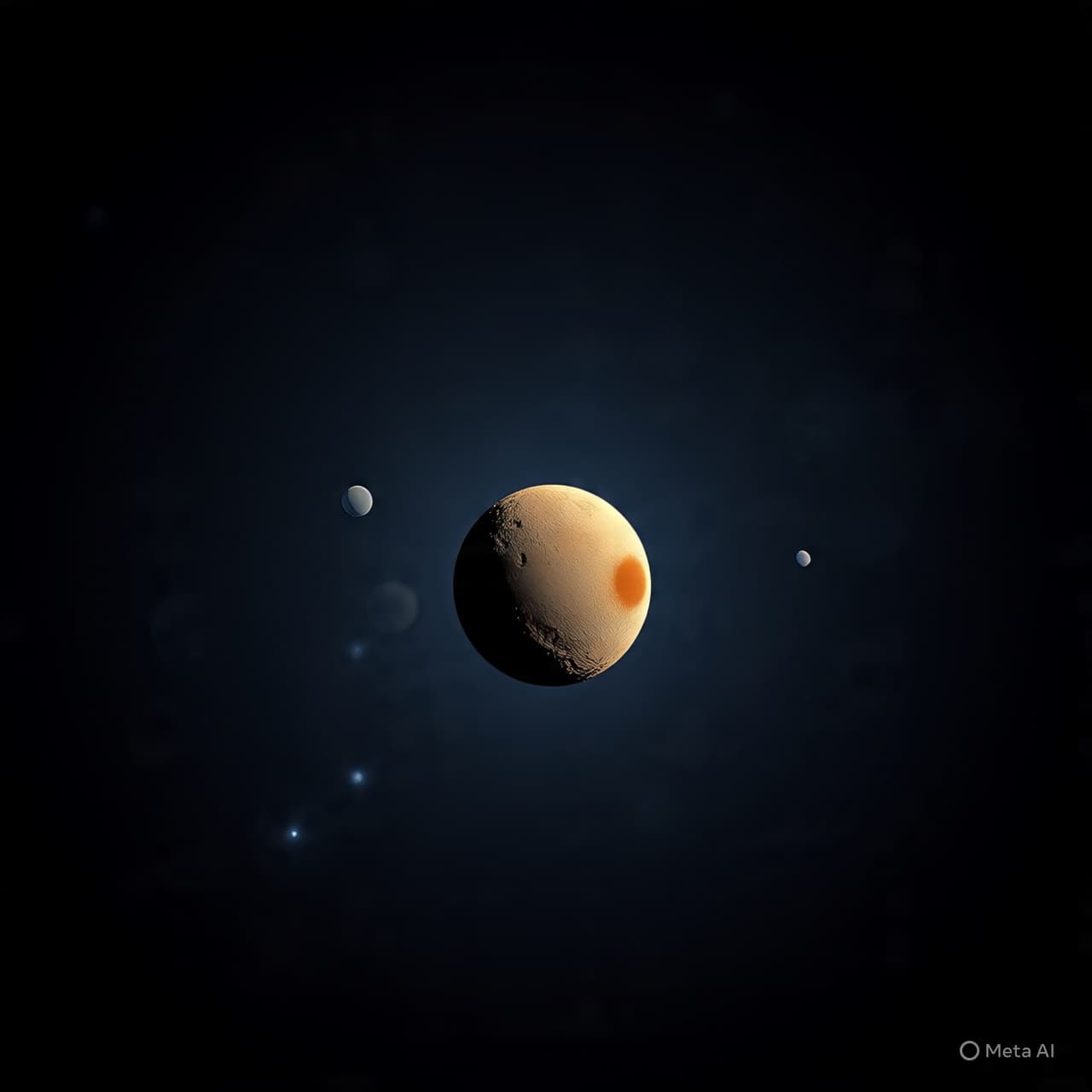
This clarification did not diminish Pluto itself. Its mountains of ice, thin atmosphere, and complex surface remain subjects of active study, especially after NASA’s New Horizons mission revealed unexpected detail. Instead, the change reflected a growing understanding of how diverse and layered our cosmic neighborhood truly is. Science, in this case, chose precision over familiarity.
Public reaction was mixed, often emotional. Pluto had become more than a classification; it was a symbol of wonder and discovery. Yet scientific categories are tools, not honors. They help researchers communicate clearly, even when doing so unsettles long-held assumptions.
Today, Pluto is officially recognized as a dwarf planet, a term that places it among a broader family rather than excluding it from relevance. It continues to orbit, unchanged by human debate, offering data, mystery, and perspective from the solar system’s frontier. The story was never about disappearance, but about definition — and the quiet evolution of understanding.
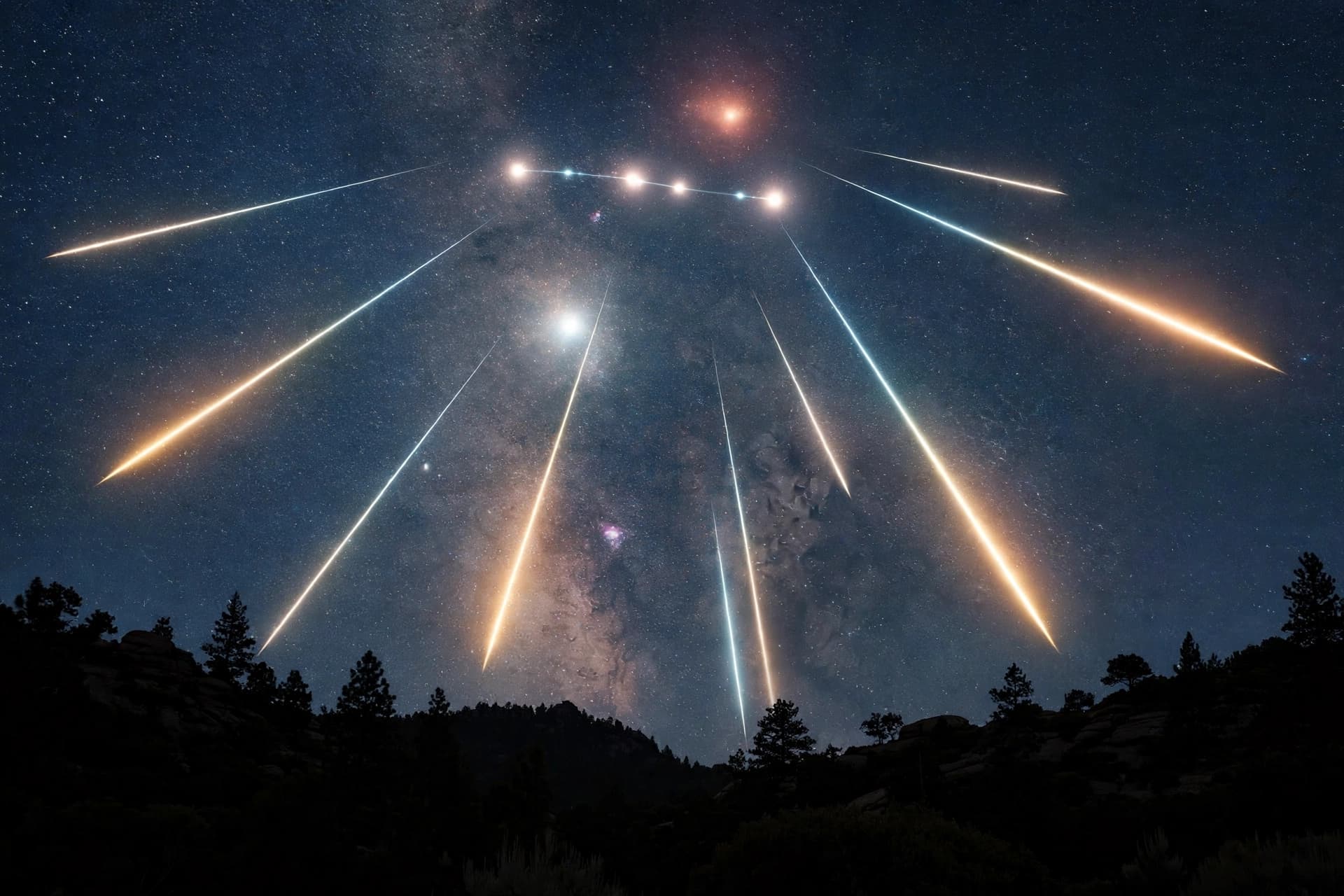
AI Image Disclaimer Graphics in this article are AI-generated and intended for representation rather than photographic reality.
Confirmed sources include:
NASA BBC News National Geographic Scientific American The New York Times
Published by Banx Network. This article is part of the Banx decentralized media programme, powered by the BXE token on the XRP Ledger.