In the crushing darkness of the deep ocean, where sunlight has never penetrated and pressure would crush a submarine, life finds a way to thrive in mysterious forms. Scientists exploring these remote abyssal plains have long hoped to find untouched ecosystems, pristine sanctuaries far removed from human influence. Yet, recent expeditions reveal a sobering reality: even in these most inaccessible corners of the planet, the fingerprint of humanity is unmistakable. Amidst the discovery of potential new species, researchers are finding plastic waste, a stark reminder that no place on Earth remains beyond our reach.
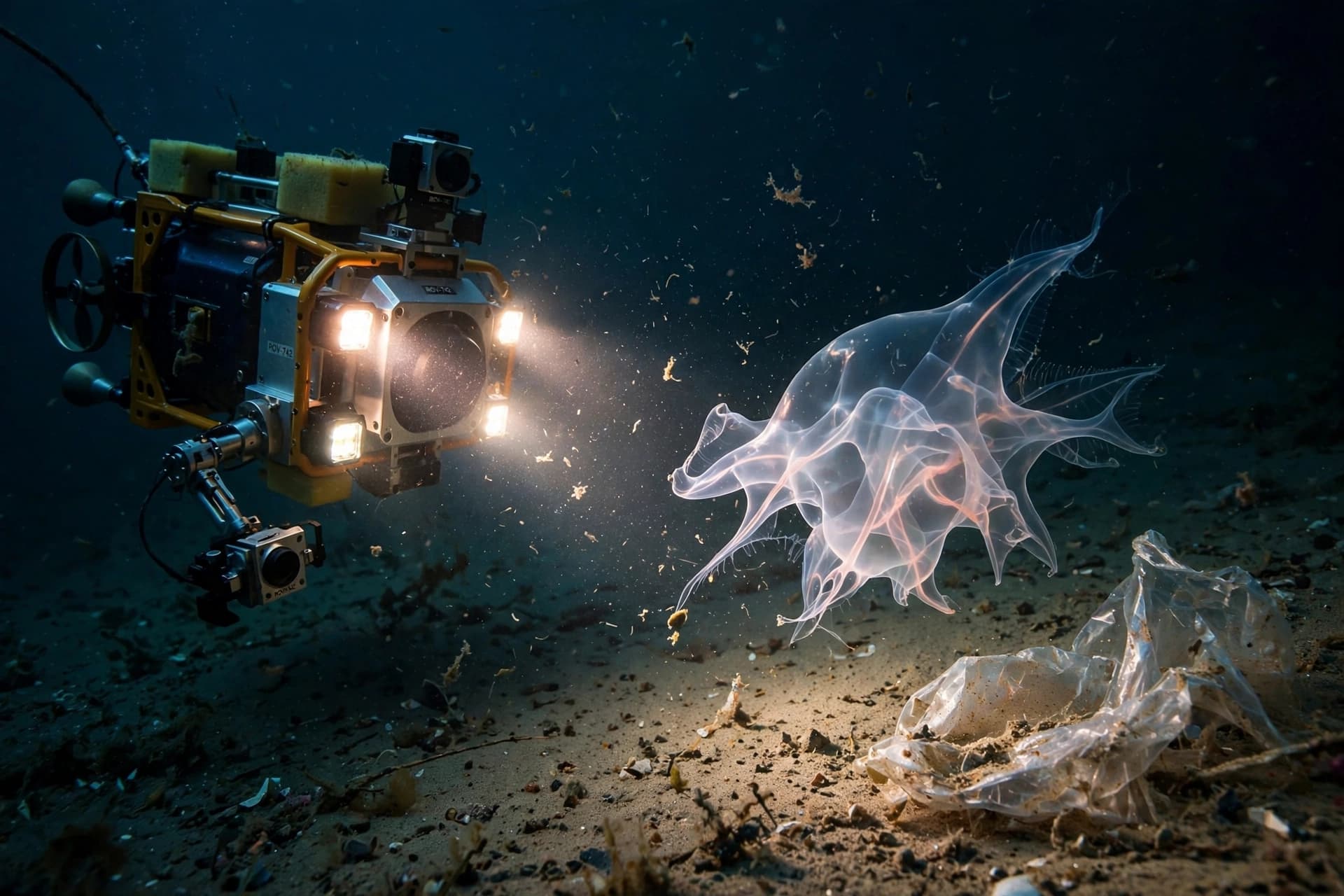
The findings come from deep-sea mining surveys and biological expeditions in regions such as the Clarion-Clipperton Zone in the Pacific Ocean. Here, in waters thousands of meters deep, remotely operated vehicles have captured images of strange, gelatinous creatures and brittle stars that may represent species unknown to science. These organisms, adapted to extreme conditions, offer clues to the resilience of life. However, sharing their habitat are discarded fishing nets, plastic bags, and fragmented debris, items that have sunk slowly through the water column to rest on the seabed.
This juxtaposition of discovery and pollution highlights the pervasive nature of the plastic crisis. Unlike surface litter, which can sometimes be cleaned up, deep-sea plastic is nearly impossible to retrieve. It becomes part of the sediment, potentially releasing microplastics and chemicals into the food web over centuries. For marine biologists, this presents a complex challenge: how to study and protect these fragile ecosystems when they are already compromised by pollutants that arrived before we even knew they existed.
The presence of plastic at such depths also raises questions about the impact on newly discovered species. While some organisms may ignore the debris, others might become entangled or ingest microparticles, with unknown physiological consequences. The deep ocean acts as a final sink for much of the world’s waste, accumulating materials that do not biodegrade. This accumulation creates a hidden layer of contamination that could affect biodiversity in ways we are only beginning to understand.
Despite the grim findings, the discovery of new species offers a glimmer of hope and wonder. Each new organism adds to our understanding of evolutionary adaptation and the complexity of marine life. These creatures, often translucent or brightly colored in the dark, remind us of the beauty that persists despite human negligence. Protecting them requires not just scientific curiosity but a commitment to reducing the flow of waste from the surface.
International efforts to regulate deep-sea mining and protect marine biodiversity are gaining momentum. Treaties and agreements aim to establish protected areas where extraction and pollution are minimized. However, enforcement in such remote regions is difficult. The presence of plastic serves as a visual argument for stricter controls on waste management and a global reduction in single-use plastics. It underscores the interconnectedness of all ocean layers.
For the researchers who witness these scenes firsthand, the experience is both awe-inspiring and heartbreaking. They dive virtually into a world of alien beauty, only to find the detritus of modern consumerism scattered across the floor. This duality defines modern conservation: the struggle to preserve what is left while acknowledging the damage already done. It calls for a shift in perspective, viewing the ocean not as an infinite resource but as a finite, vulnerable system.
As we continue to explore the deep, let these discoveries serve as a call to action. The plastic found alongside new species is not just waste; it is a message from the depths, urging us to reconsider our relationship with the planet. By protecting these hidden worlds, we protect the health of the entire ocean, and ultimately, ourselves.
AI Image Disclaimer: The visual representations included here are AI-generated illustrations designed to depict deep-sea environments and marine life, not actual photographs from specific scientific expeditions.
Sources: National Geographic BBC News The Guardian
Published by Banx Network. This article is part of the Banx decentralized media programme, powered by the BXE token on the XRP Ledger.