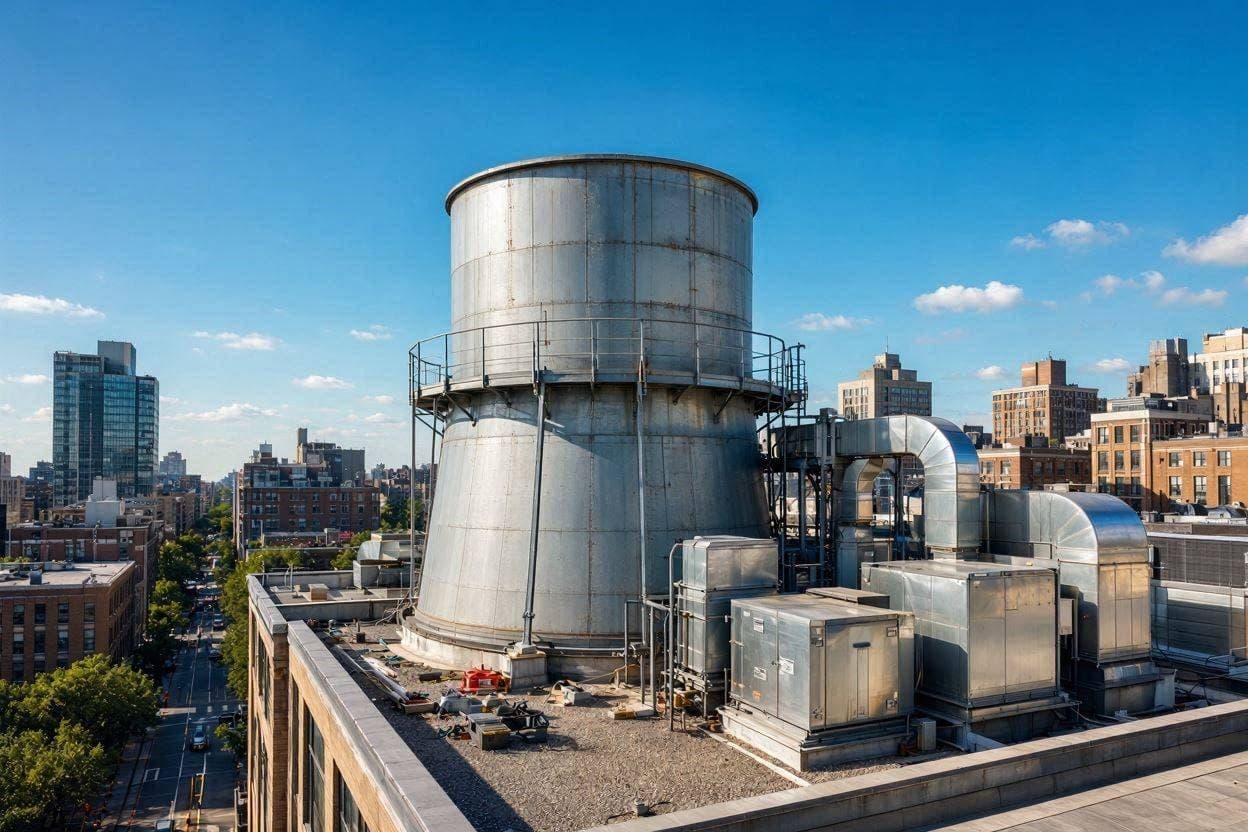
In the dense urban landscape of New York City’s Upper East Side, where luxury apartments and historic buildings line the streets, a public health investigation has pinpointed the source of a recent Legionnaires’ disease outbreak. City officials have identified specific cooling towers that tested positive for live Legionella bacteria prior to the surge in cases. This discovery marks a critical step in containing the spread and preventing future incidents, highlighting the importance of rigorous maintenance and monitoring in urban infrastructure.
The identification of these towers provides clarity for residents who have been anxious about the source of the illness. It also underscores the complex relationship between modern building systems and public health safety.
Body: The New York City Department of Health and Mental Hygiene announced that 76 cooling towers in the affected area had tested positive for the bacteria. Of these, a subset was identified as having viable, living Legionella, which is capable of causing infection when inhaled through mist. The department has ordered the immediate cleaning and disinfection of all identified systems to eliminate the risk.
Legionnaires’ disease is a severe form of pneumonia caused by inhaling water droplets contaminated with the bacteria. It is not contagious from person to person but thrives in large water systems like cooling towers, hot tubs, and plumbing systems. The outbreak, which resulted in dozens of cases and several fatalities, prompted an urgent response from city agencies.
Officials emphasized that the presence of bacteria does not necessarily mean every tower was a source of infection, but the correlation was strong enough to warrant immediate action. Molecular testing helped link environmental samples to patient cases, providing scientific evidence for the targeted interventions. This precision allows for a more effective response than broad, indiscriminate measures.
Building owners have been cooperative, complying with orders to shut down and treat their systems. The city has increased inspections and enforcement actions to ensure compliance with regulations designed to prevent such outbreaks. These rules, strengthened after previous incidents, require regular testing and maintenance of cooling towers.
For residents, the news brings a mix of relief and caution. While the immediate threat is being addressed, the incident serves as a reminder of the invisible risks in urban environments. Public health officials encourage anyone with symptoms such as fever, cough, and difficulty breathing to seek medical attention promptly.
The outbreak has also sparked discussions about infrastructure aging and maintenance standards. As cities grow and buildings become more complex, the need for robust regulatory frameworks becomes ever more critical. Investment in public health infrastructure is an investment in community safety.
Community leaders have praised the swift action of the health department, noting that transparency and communication are key to maintaining public trust. Regular updates and clear guidance have helped alleviate fear and confusion among residents.
Looking ahead, the city plans to review its protocols and explore new technologies for detecting and managing bacterial growth in water systems. The goal is to create a safer environment for all New Yorkers, ensuring that such outbreaks become rare exceptions rather than recurring threats.
Closing: The identification of Legionella-positive cooling towers on the Upper East Side is a significant milestone in controlling the outbreak. It highlights the importance of vigilance, regulation, and rapid response in protecting public health.
AI Image Disclaimer: The visuals in this article are AI-generated illustrations designed to reflect the themes of public health investigation and urban infrastructure.
Sources: NYC Health Department ABC7 NY CIDRAP NEJM Evidence
Published by Banx Network. This article is part of the Banx decentralized media programme, powered by the BXE token on the XRP Ledger.