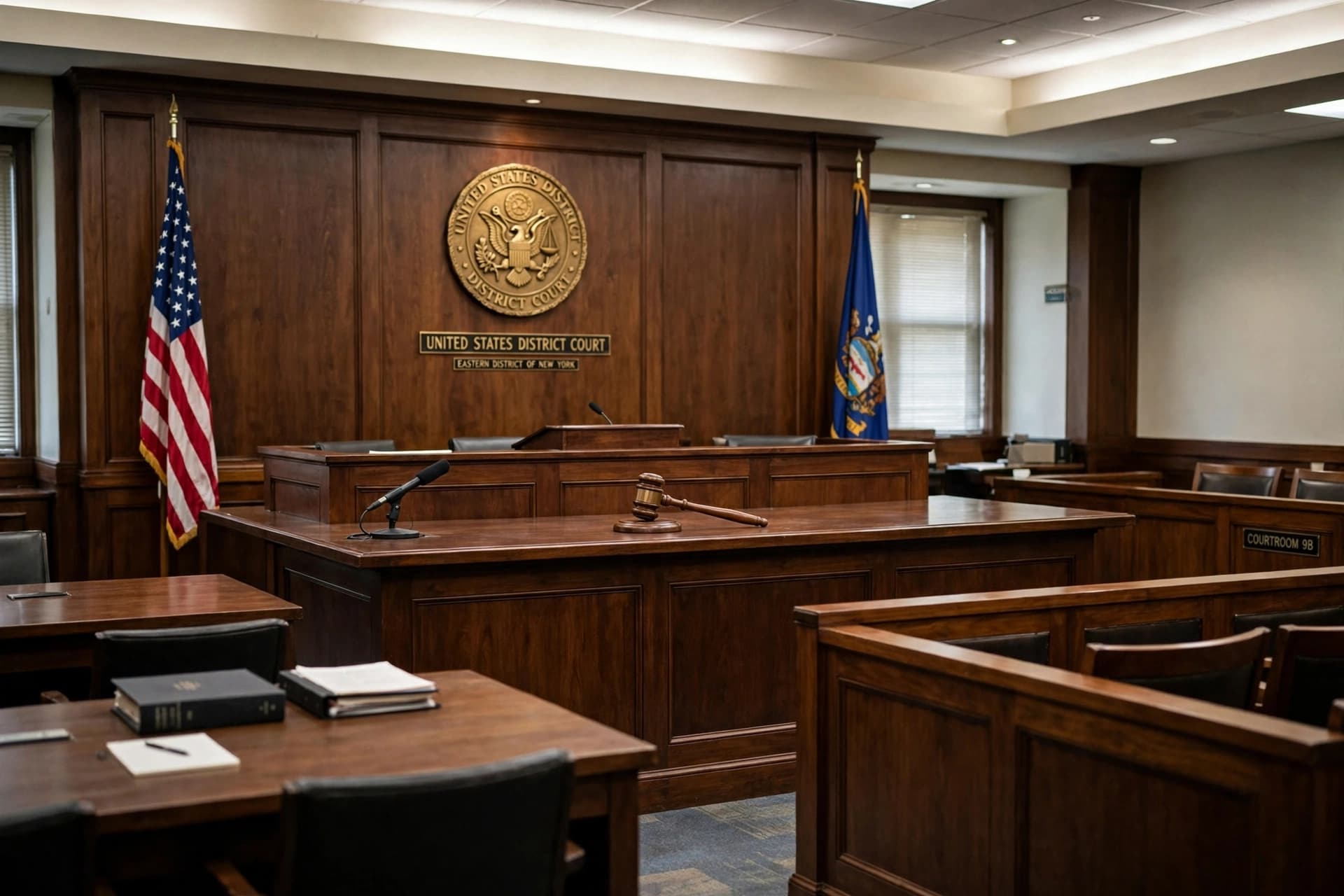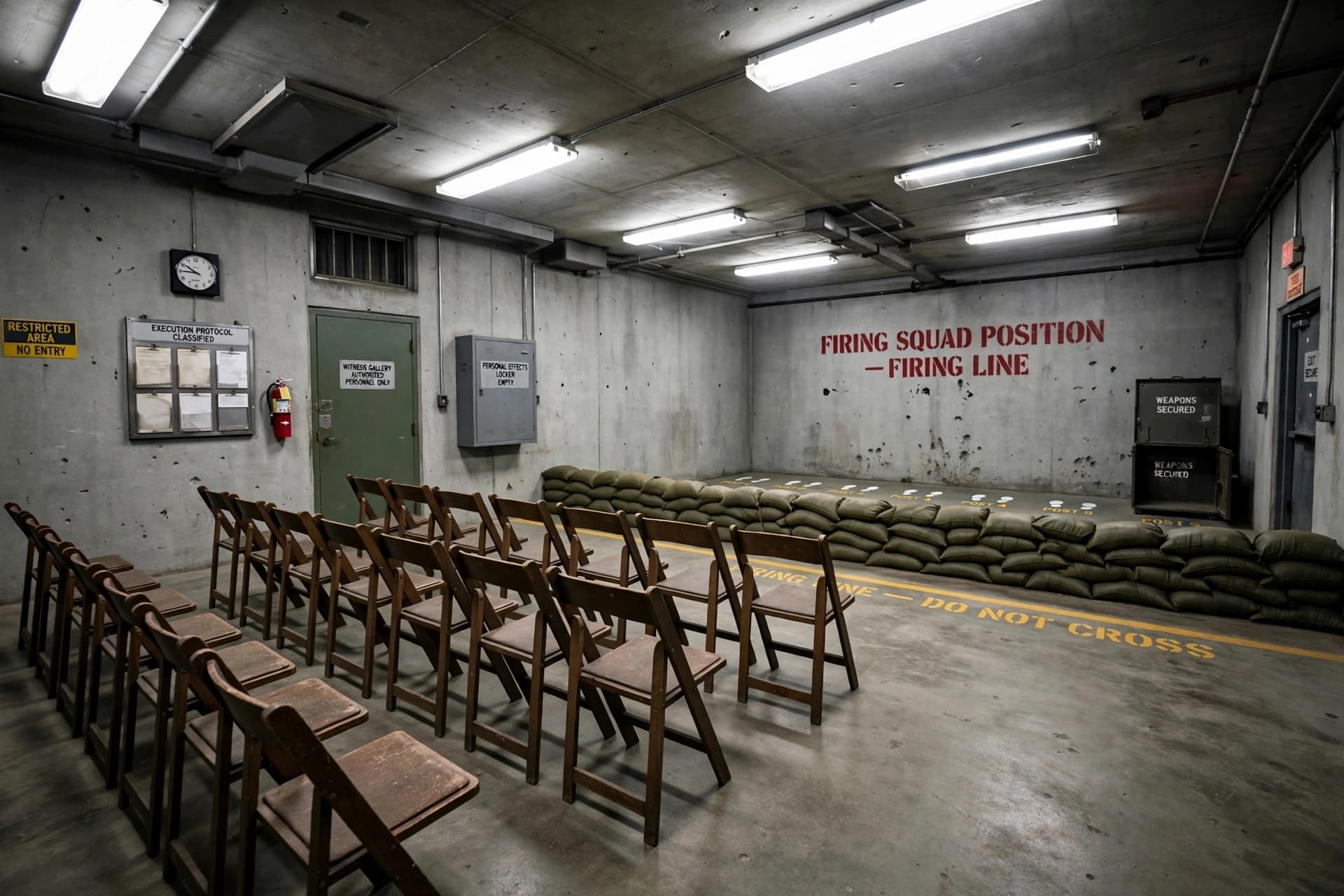
There is a particular gravity that attaches to the method of an execution—a gravity made heavier when the method is one that has been used only rarely, that carries with it the weight of history and the question of whether the state should kill in this way at all. On Wednesday, the Pentagon announced that the execution of Nidal Hasan, the former Army major convicted of the 2009 Fort Hood shooting that killed thirteen people and wounded more than thirty others, will be carried out by firing squad. The execution, scheduled for December, will be livestreamed to a limited number of witnesses—a decision that has drawn both support and criticism from victims' families and legal observers.
Hasan was sentenced to death in 2013 for the attack, which he described as an act of jihad. He is the first U.S. service member sentenced to death in more than fifty years, and his execution has been the subject of years of legal appeals. The decision to use a firing squad rather than lethal injection is unusual—the military's preferred method is lethal injection, but the Pentagon cited concerns about the availability of the necessary drugs. Firing squad is a method that has been used only three times in the United States since 1976, most recently in Utah in 2024.
The decision to livestream the execution is also unusual. Military executions are typically closed to the public, with witnesses limited to official observers, family members of the victims, and representatives of the condemned. The Pentagon said the livestream would be available to a "limited number of media representatives" and to victims' families who cannot attend in person. The move is intended to provide transparency, but critics have argued that it risks turning the execution into a spectacle, and that the decision to use a firing squad is a step backward for a country that has been moving away from capital punishment.
The families of the victims have been divided in their reactions. Some have said they support the execution and the decision to livestream it, saying it will allow them to witness justice being done. Others have said the method is barbaric and that they would have preferred lethal injection, or that the execution itself will not bring them closure. "This is not about what we want," one family member told the Associated Press. "It is about what the law requires."
The execution is scheduled for December. It will be the first military execution in more than six decades. The debate over the method—and the decision to livestream it—will continue until then. For the families of the thirteen people killed at Fort Hood, the execution represents a long-awaited conclusion. For the country, it raises questions about the death penalty, the military justice system, and the limits of what the state should be allowed to do in the name of justice.
AI Image Disclaimer: The images accompanying this article were generated by artificial intelligence and are intended for illustrative purposes only.
Sources: Associated Press, Reuters, The New York Times, Military.com
Published by Banx Network. This article is part of the Banx decentralized media programme, powered by the BXE token on the XRP Ledger.