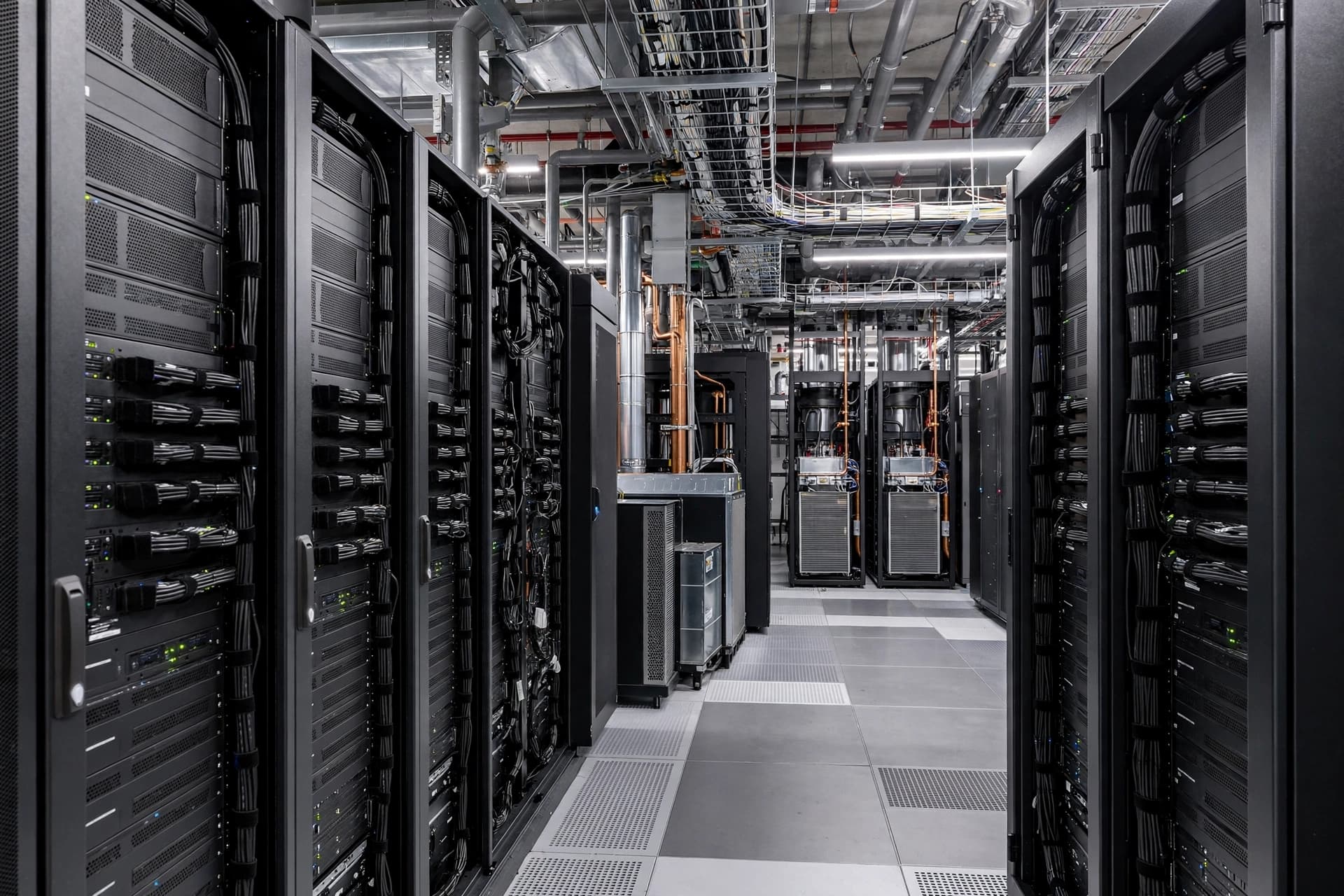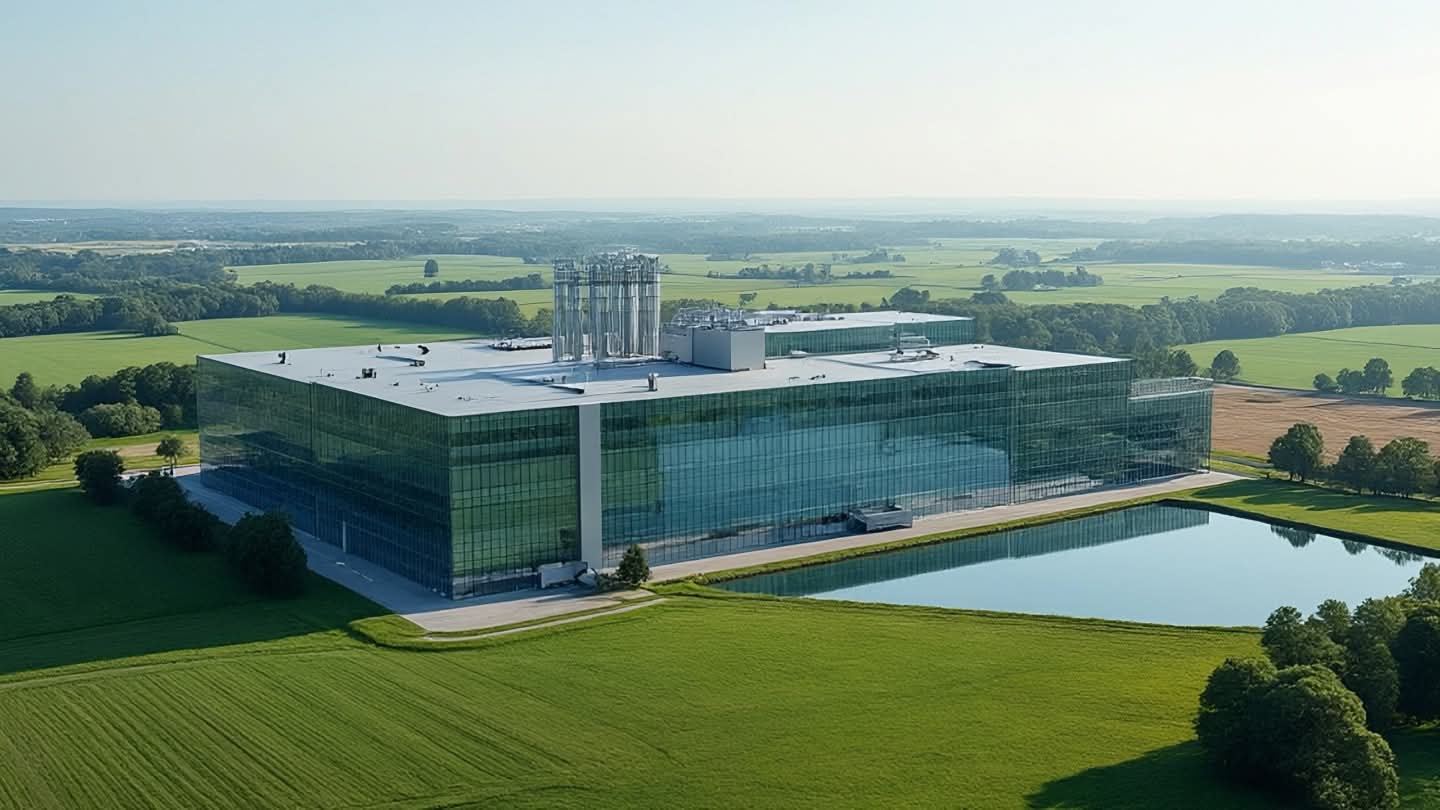
In the digital age, the cloud is not an ethereal concept but a physical reality, housed in massive warehouses of servers that hum with the energy of global communication. For Pennsylvania, a state increasingly seen as a prime location for these technological giants, the rapid influx of data center proposals has sparked a necessary pause. State officials have announced plans to sharply limit new developments and expand the regulatory review process, seeking to balance economic opportunity with community well-being and environmental stewardship.
The surge in demand for artificial intelligence and cloud computing has made data centers highly sought-after infrastructure projects. They promise jobs and tax revenue, but they also consume vast amounts of electricity and water, often straining local resources. In rural communities across the Commonwealth, residents have voiced concerns about noise, light pollution, and the impact on the power grid. The state’s new approach aims to address these grievances by ensuring that development does not outpace the capacity of local infrastructure.
Under the proposed guidelines, municipalities would gain greater authority to review and approve data center projects. This decentralization of power allows local governments to assess the specific impacts on their communities, rather than relying solely on state-level permits. The expanded review process will likely include stricter environmental assessments, requiring developers to demonstrate how they will manage energy consumption and water usage sustainably.
Energy providers have expressed mixed reactions to the news. While data centers represent a significant source of demand, which can drive investment in grid upgrades, the sudden spike in requests has raised concerns about reliability. Pennsylvania’s power grid, like many others, is undergoing a transition to renewable sources. Integrating large-scale industrial loads requires careful planning to avoid blackouts or price spikes for residential consumers.
Environmental advocates have welcomed the move, arguing that unchecked growth could exacerbate climate change and deplete natural resources. Data centers are among the largest industrial consumers of water, used primarily for cooling systems. By imposing stricter limits, the state hopes to encourage innovation in cooling technologies and promote the use of recycled water, reducing the strain on local aquifers and rivers.
For tech companies, the new regulations present a challenge but also an opportunity. Those willing to adapt to higher standards may find a more stable and supportive environment in the long run. The focus shifts from speed of deployment to quality of integration, encouraging partnerships with local utilities and communities. This collaborative model could set a precedent for other states grappling with similar issues.
The political landscape surrounding this decision is complex. Lawmakers must navigate the interests of powerful tech corporations, concerned citizens, and utility providers. The goal is to create a framework that fosters innovation without sacrificing the quality of life for Pennsylvanians. It is a delicate balancing act, requiring transparency, dialogue, and a commitment to sustainable growth.
As the review process expands, the future of data center development in Pennsylvania remains uncertain but purposeful. The state is signaling that while it welcomes the digital economy, it will not compromise its environmental integrity or community values. This measured approach reflects a broader trend toward responsible technology adoption, where progress is defined not just by speed, but by sustainability.
AI Image Disclaimer: The visual elements in this article are AI-generated illustrations depicting server farms and rural landscapes, designed to visualize the intersection of technology and nature without showing real facilities.
Sources: PennLive, The Philadelphia Inquirer, TechCrunch, Utility Dive
Published by Banx Network. This article is part of the Banx decentralized media programme, powered by the BXE token on the XRP Ledger.