A quiet shift may be unfolding in the corridors where parcels travel — a shift that could redraw the boundaries of delivery across America. Imagine a familiar post‑office truck rolling down a suburban street, its wheels humming the same low rhythm for decades. Now picture that same street taken over by sleek vans in the signature hue of a global e‑commerce giant, moving with a speed and certainty that feels less like tradition and more like inevitability. That is the scene emerging as Amazon considers stepping away from a long‑standing partnership with the U.S. Postal Service.
In the soft rustle of shipping labels and scanning beeps, the unspoken decision seems to hum: Amazon, long reliant on USPS to carry many of its packages across the final stretch, is reportedly preparing to redirect its parcels into its own delivery network — potentially ending the cooperation by the end of 2026. The revenue shift is not trivial. In 2025, Amazon contributed over $6 billion to USPS — roughly 7.5 percent of its annual intake. For decades, that steady stream helped underwrite a public institution that carried letters and parcels to every corner of the nation. Now, with negotiations faltering and new service agreements off the table, Amazon appears ready to pivot.
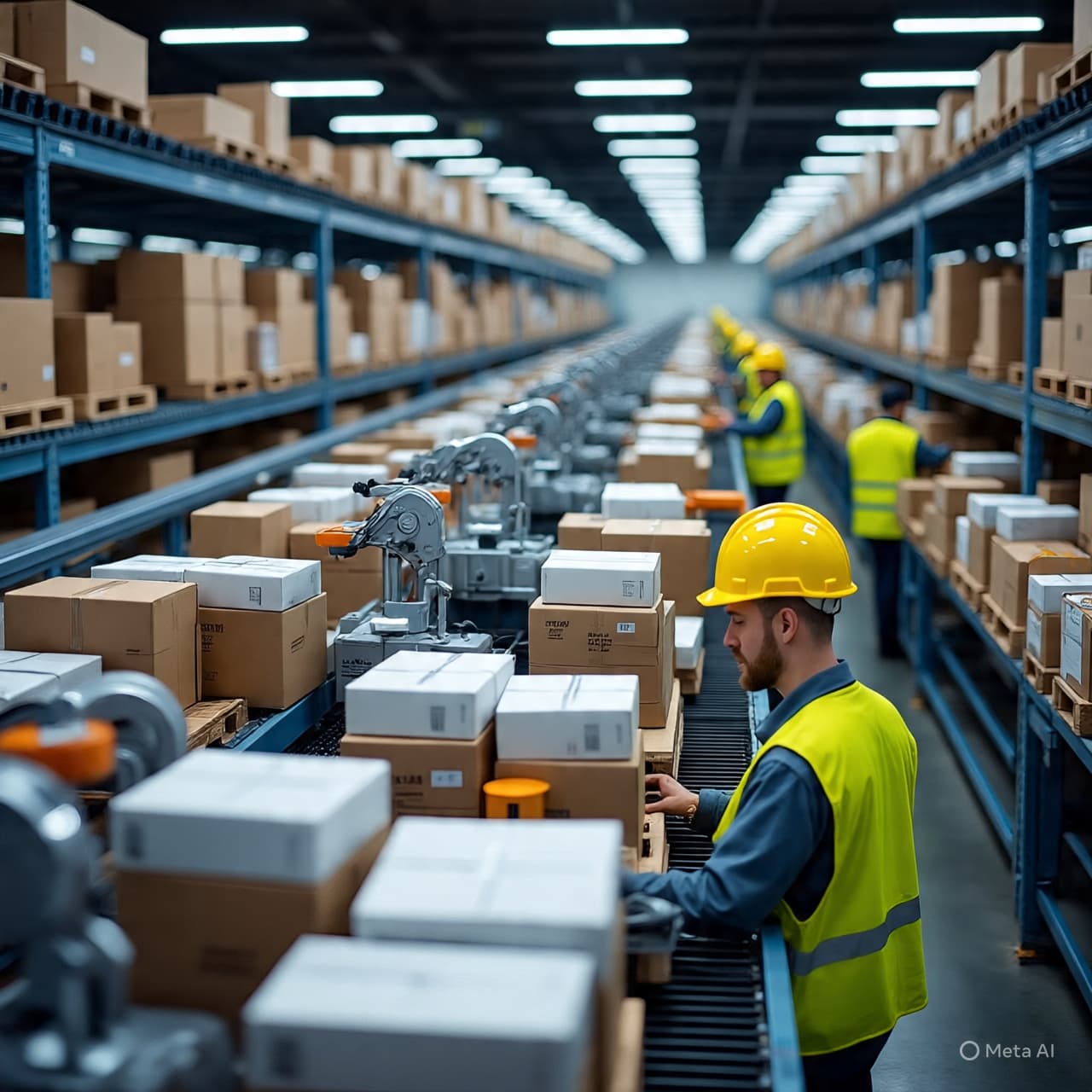
This is not a sudden capricious leap — but rather a carefully built evolution. Over recent years, Amazon has quietly expanded its logistics capabilities: building fulfillment centers, leasing vans, hiring independent drivers, and polishing the infrastructure needed to deliver at scale. Indeed, by volume, Amazon’s parcel deliveries have surged: in 2024, its fleet handled roughly 6.3 billion shipments, placing it close behind USPS’s 6.9 billion. Analysts now predict that Amazon will surpass USPS in parcel volume by as soon as 2028. With this growth, Amazon seems poised not just to compete — but to lead.
For USPS, the potential departure of its largest customer could echo far beyond a line item. Once a reliable mainstay of revenue, those billions in annual contracts may vanish — leaving a public institution already battered by decades of declining letter mail and massive structural losses. For many rural or underserved communities, where postal service remains a critical connection to the wider economy, the stakes could be high. The change may mean fewer postal‑service trucks in quiet lanes, fewer red‑and‑blue mailboxes at front yards, and a shift in who brings the parcels — and at what cost.
Still, the picture is not yet final. The planned transition is scheduled for the end of 2026, and talks are reportedly ongoing. Both Amazon and USPS have declined public comment. Whether the pivot will happen — and how gracefully — remains to be seen. Meanwhile, Amazon continues to invest in its delivery network, perhaps preparing for a future where its trucks, not public postal vans, carry the weight of America’s parcels.
In the turning tide of commerce and convenience, what once was a partnership of necessity may become a story of competition — a new chapter where speed, control, and market reach reshape how things reach our doorsteps.
as Amazon weighs its path forward, the outcome may bring evolving convenience — or deep disruption — to how Americans send and receive. For now, the turning wheels keep rolling, and many watch in quiet uncertainty.
AI Image Disclaimer “Visuals are created with AI tools and are not real photographs.”
Sources Reuters (via Washington Post), Channel News Asia (CNA), Investing.com, Engadget, Pitney Bowes market data, Digital Commerce 360.
Published by Banx Network. This article is part of the Banx decentralized media programme, powered by the BXE token on the XRP Ledger.