In the modern theater of war, connectivity is as vital as ammunition, and the sky above the battlefield is a contested domain. Ukraine has reportedly struck at Russia’s emerging satellite communication network, a system often compared to SpaceX’s Starlink, while Moscow continues to track Western arms shipments. This dual dynamic invites reflection on the technological evolution of conflict and the strategic importance of information superiority. It is a moment where digital infrastructure becomes a primary target.
The Russian network, known as Gonets, is designed to provide secure communications for military operations, reducing reliance on foreign systems. Ukraine’s attacks aim to disrupt this capability, highlighting the vulnerability of space-based assets. Space holds signals. Conflict reaches orbit.
Simultaneously, Russia has intensified its efforts to monitor and intercept weapons packages destined for Ukraine. This cat-and-mouse game underscores the logistical challenges of sustaining a prolonged conflict and the global nature of modern warfare. Logistics define endurance. Tracking aids defense.
For Ukraine, degrading Russia’s communication capabilities is a key strategy to weaken command and control structures. Success in this domain can have significant tactical advantages on the ground. Disruption creates chaos. Advantage shifts flow.
The international community watches these developments closely, aware that the escalation of cyber and space warfare could have broader implications. The rules of engagement in these new domains are still being written. Rules lag behind tech. Implications are vast.
As both sides adapt to these technological realities, the focus remains on resilience and innovation. The ability to maintain communication and supply lines will likely determine the outcome of future engagements. Resilience ensures survival. Innovation drives success.
Ukraine has targeted Russia’s Starlink-like satellite network, while Moscow continues to track Western arms shipments. These actions highlight the growing importance of space and logistics in the ongoing conflict. The hope is for a resolution that respects international law and reduces humanitarian suffering.
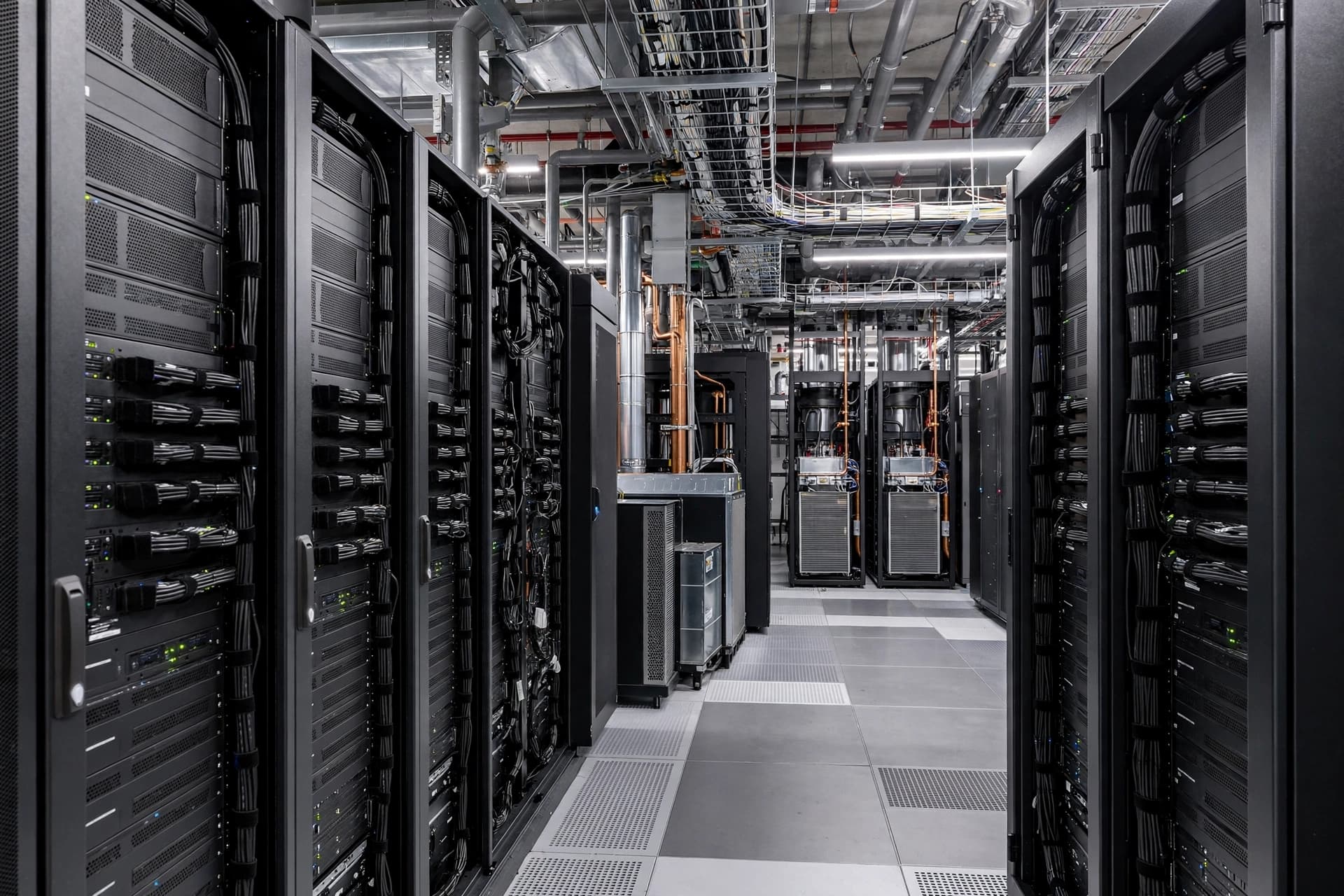
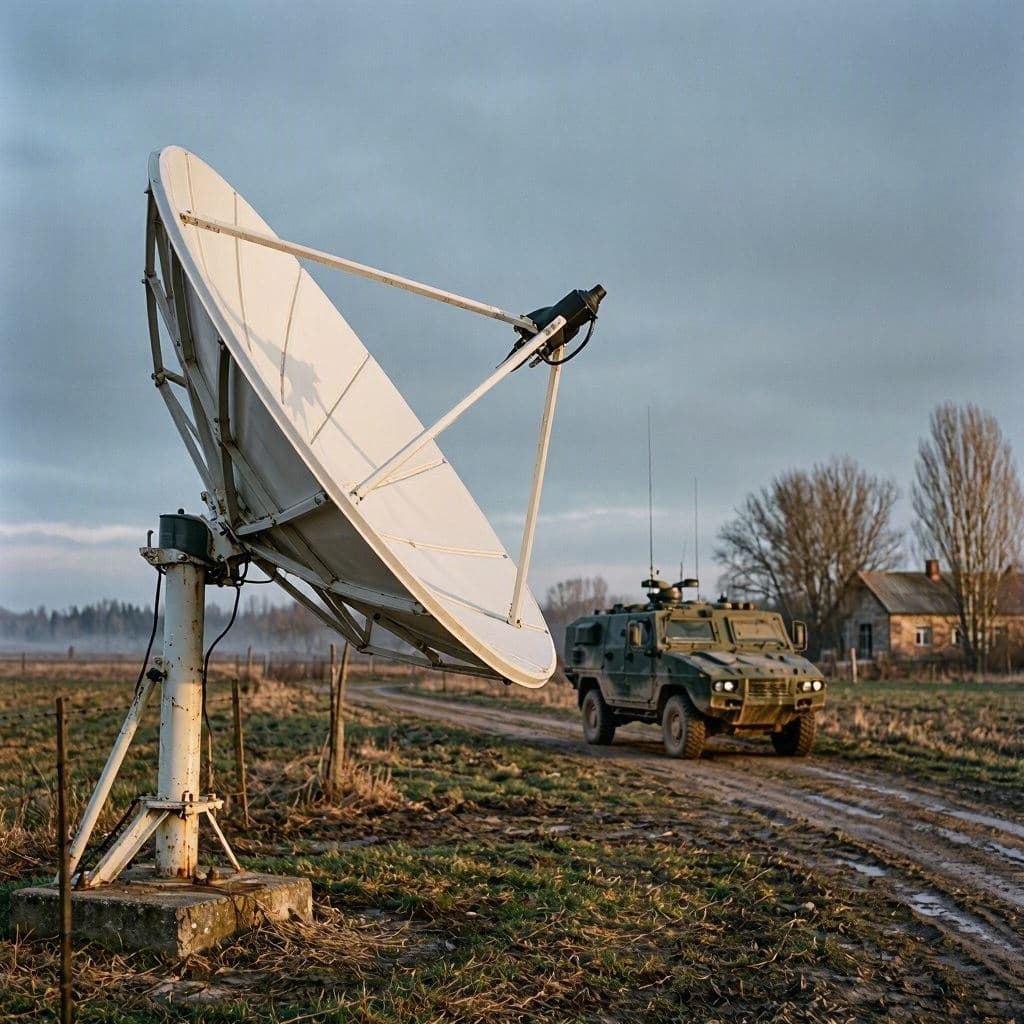
AI Image Disclaimer: Visuals associated with this article are AI-generated to illustrate the themes of modern warfare and technological conflict.
Sources: Reuters Al Jazeera The Moscow Times United24 Media
Published by Banx Network. This article is part of the Banx decentralized media programme, powered by the BXE token on the XRP Ledger.