There is a particular fragility to a waterway that carries a fifth of the world's oil—a fragility that becomes visible only when the tankers stop moving, when the insurance rates spike, when the crews begin to refuse the transit. The Strait of Hormuz, a narrow channel between Iran and Oman, has been the pulse of the global energy market for decades. This week, that pulse stuttered again. Two oil tankers were struck by "unidentified projectiles" in the span of hours, the latest in a series of attacks that have turned the waterway into a contested corridor where the rules of commerce have been replaced by the logic of war.
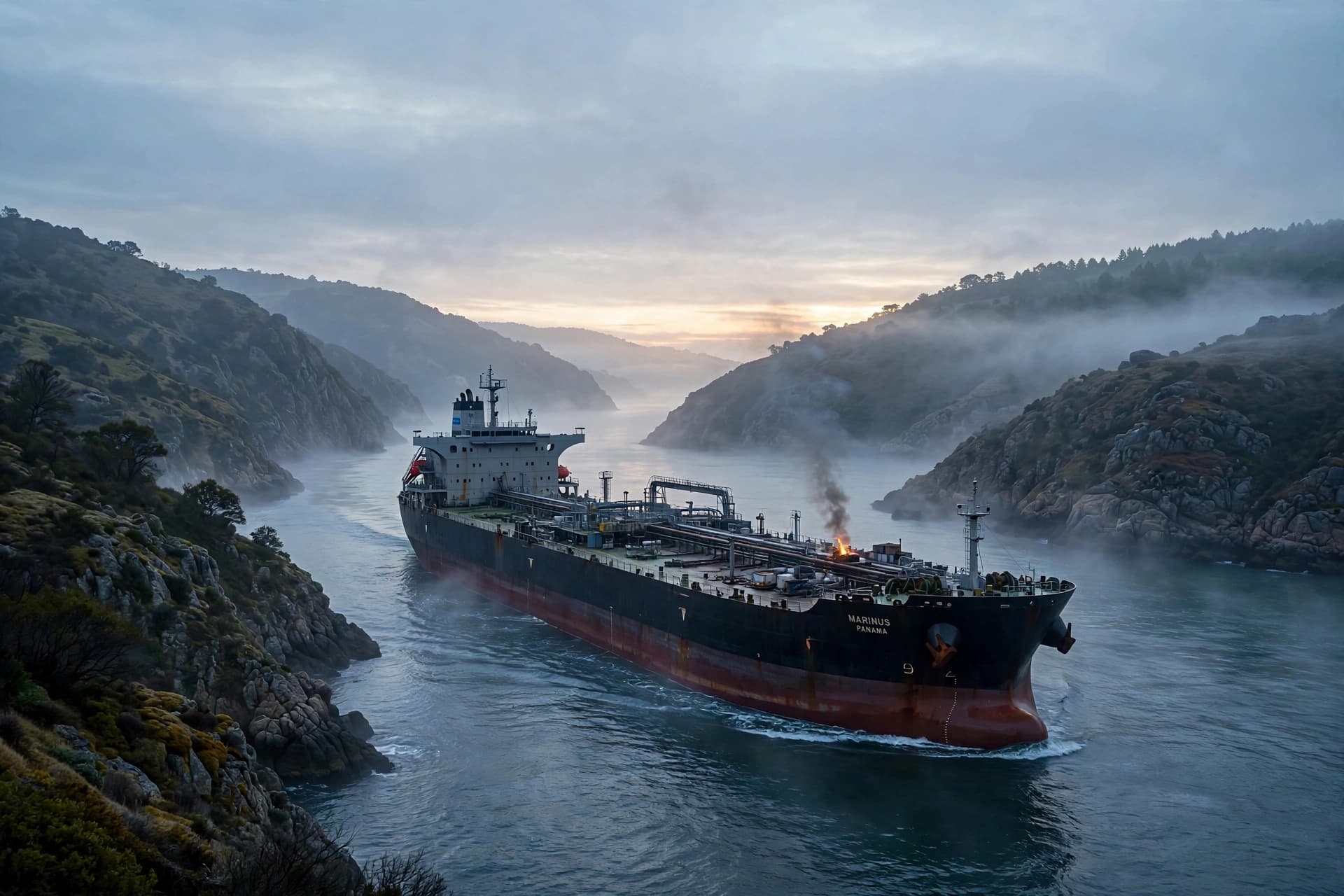
The first attack occurred on Friday, when a tanker conducting an outbound transit was struck, causing a small fire and a blackout onboard. The crew extinguished the fire, and the vessel was able to resume its journey. The UK Maritime Trade Operations agency, which reported the incident, noted no casualties and no environmental damage. Hours later, a second crude oil tanker reported being struck by an unknown projectile east of Oman. All crew were safe.
These incidents did not occur in isolation. They are the latest chapter in a conflict that has transformed the Strait from a conduit of global trade into a battlefield. In late February, the United States and Israel launched strikes against Iran, triggering a war that has since drawn in the entire region. Tehran responded by blocking the passage of commercial ships, firing on vessels it accused of unauthorized crossings. Washington countered with a blockade of Iranian ports, aiming to prevent Tehran from exporting its oil—the lifeblood of its economy.
The result has been a near-total shutdown of Iranian oil exports. In September, for the first time since the 1979 Islamic Revolution, Iran loaded no oil at its export terminals. The blockade has choked off the revenue that funds Iran's government, its military, and its proxies. But it has also turned the Strait into a zone of uncertainty, where ships transit at their own risk and where the distinction between a commercial vessel and a legitimate target has blurred.
For the global economy, the stakes are difficult to overstate. Before the war, roughly a fifth of the world's oil and liquefied natural gas passed through Hormuz. That flow has been reduced to a trickle, and the attacks on tankers serve as a reminder that the disruption is not merely a matter of policy or blockade but of physical danger. The UKMTO has advised vessels to exercise extreme caution. The authorities are investigating. But in a waterway where the parties to the conflict have shown little interest in de-escalation, the question is not whether more ships will be struck, but when.
---
AI Image Disclaimer: The images accompanying this article were generated by artificial intelligence and are for illustrative purposes only.
Sources: Bangladesh Sangbad Sangstha (BSS), AFP, UKMTO, Qatar News Agency, Xinhua
Published by Banx Network. This article is part of the Banx decentralized media programme, powered by the BXE token on the XRP Ledger.