Diplomacy is often described as the art of the possible, but in the tense standoff between the United States and Iran, the possibilities seem to shrink with each passing day. Recent developments suggest that Tehran feels emboldened, testing the limits of Washington’s patience and strategic options. For former President Donald Trump, whose foreign policy legacy is intertwined with maximum pressure campaigns, the current situation presents a complex dilemma. With few clear paths forward, the risk of miscalculation grows, leaving leaders on both sides navigating a minefield of geopolitical consequences.
Body: Iran’s recent actions, including provocative rhetoric and potential military posturing, signal a confidence that the U.S. is constrained by domestic politics and international commitments. This perception of weakness or hesitation allows Tehran to push boundaries, believing that the cost of escalation for Washington is too high. The result is a dangerous game of chicken, where each move increases the stakes without offering a clear off-ramp.
For Trump, the challenge is particularly acute. His previous administration’s withdrawal from the nuclear deal and imposition of sanctions were intended to curb Iran’s influence, but they also hardened Tehran’s resolve. Now, with the region still volatile, any new initiative must contend with the legacy of those policies. Critics argue that the lack of a diplomatic framework has left the U.S. with fewer tools to manage the crisis, relying instead on threats that may lack credibility.
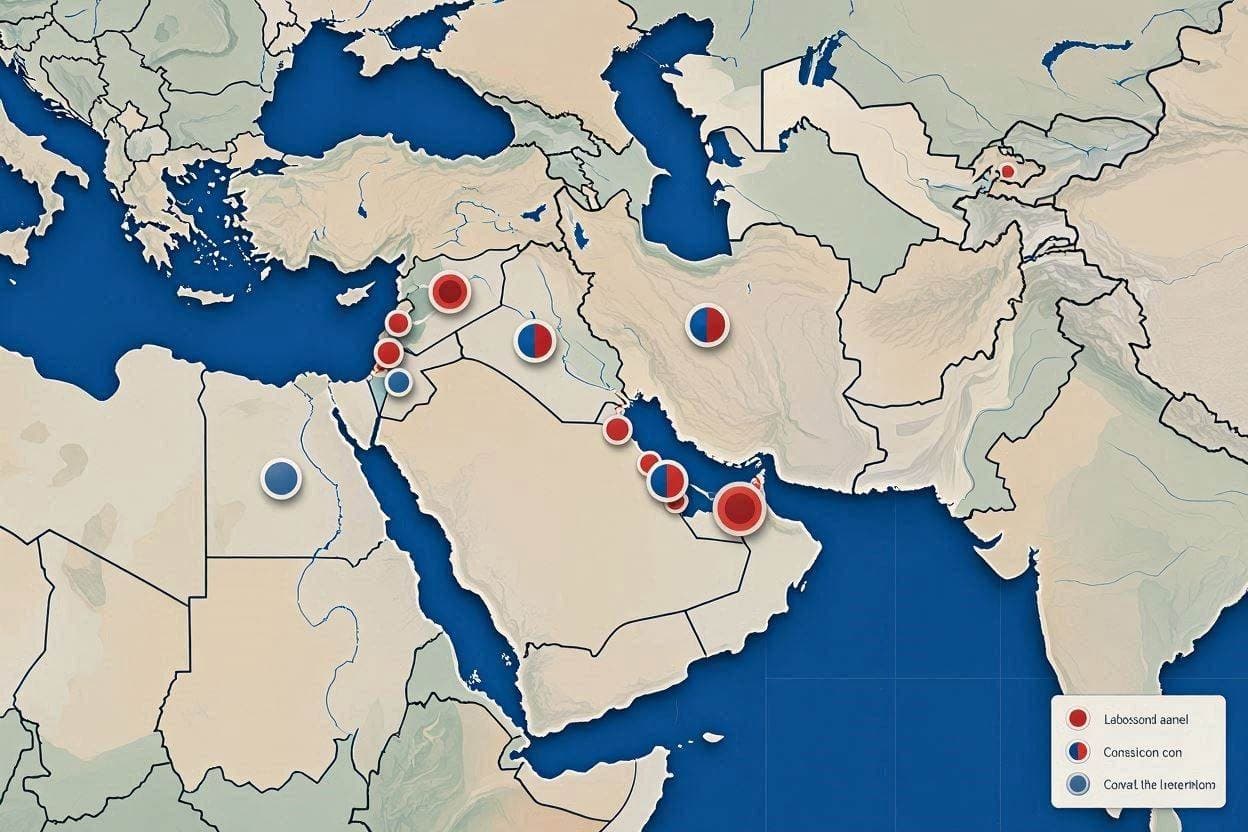
The regional implications are significant. Allies in the Middle East, including Israel and Gulf states, watch closely for signs of American commitment. Any perceived retreat or inconsistency could undermine their security assurances, prompting them to take independent actions that might further destabilize the area. The web of alliances and rivalries means that a bilateral dispute can quickly spiral into a broader conflict.
Domestically, the issue divides public opinion. Some advocate for a hardline approach, viewing compromise as appeasement, while others urge diplomacy to avoid another costly war. This polarization makes it difficult for any leader to build a consensus for action, leaving policy paralyzed by political gridlock. The silence of indecision can be as dangerous as the noise of confrontation.
Economic factors also play a role. Sanctions have hurt Iran’s economy, but they have not changed its strategic behavior. Meanwhile, global energy markets remain sensitive to any disruption in the Strait of Hormuz, adding pressure on the U.S. to maintain stability. The interplay of economics and security creates a complex backdrop for decision-making, where every choice has ripple effects.
Experts warn that the window for diplomatic engagement is narrowing. Without a viable path to negotiation, the risk of accidental escalation increases. Miscalculations by either side could trigger a conflict neither wants but both are prepared for. The need for backchannel communications and confidence-building measures is urgent, yet politically difficult to implement.
Closing: As Iran tests the waters and Washington weighs its options, the absence of a clear strategy leaves both nations vulnerable. The feeling of emboldenment in Tehran and the lack of good choices in Washington create a precarious balance, where peace hangs by a thread and conflict lurks in the shadows.
AI Image Disclaimer: Please note that the images in this piece are AI-generated illustrations created to depict the themes of geopolitical tension and diplomatic challenges.
Sources: Foreign Policy, Council on Foreign Relations, Brookings Institution, The Well News
Published by Banx Network. This article is part of the Banx decentralized media programme, powered by the BXE token on the XRP Ledger.